
Global

The Other Side of the News September 21, 2018-CELDF conference
Submitted by fightback on Tue, 09/18/2018 - 6:41pm Bob and Dan interview Tish O'Dell of the Community Rights Network about the September 29 Growing Roots and Rights conference in Columbus. http://www.wcrsfm.org/audio/download/11526/TOSOTN092118-CELDFConf.mp3 https://www.facebook.com/events/262848744288531/ Details GROWING ROOTS AND RIGHTS FOR JUST COMMUNITIES CONFERENCE - REGISTRATION IS NOW OPENPLEASE JOIN US:

Progressive Radio Network, September 18, 2018
https://thegarynullshow.podbean.com/mf/play/x83zf3/Gary_091818.mp3

Three comics and two records are being released by Nix Comics in September, 2018. All three comics will debut the week of Cartoon Crossroads Columbus (CXC), beginning with a release party at Used Kids Records Thursday, September 27th from 6 to 8pm. The Used Kids event include live music by local cartoonists Bob Ray Starker and Matt Wyatt. (The latter performing with his band the 3 Speeds.) All titles available for purchase at www.nix-retail.com Email for wholesale rates.
Nix Comics Quarterly #10
28 pages, Color
Cover price: $5
Preview link:
https://drive.google.com/open?id=1l7sfS1HZo2HMT1aP5MccbezVoqGtZZp1
The latest issue of Nix Comics’ garage rock themed horror and humor anthology. Stories include:

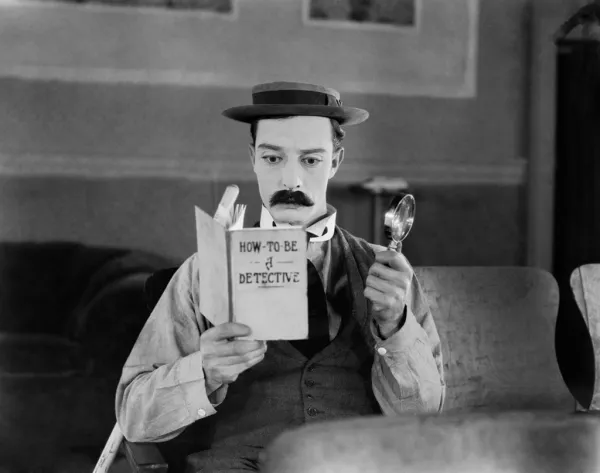
Peter Bogdanovich’s documentary The Great Buster: A Celebration is must-see cinema for all lovers of not only the eponymous Buster Keaton, but of film history, biography, silent movies, comedy and anyone who just loves to laugh out loud. In his loving look at a legend, Bogdanovich chronicles Keaton’s being born to Vaudevillian parents while they were on the road and his childhood spent onstage as part of the family business in variety acts in venues across America.
The film follows Keaton as his brand of physical comedy inevitably led to a career on the silent screen, first in two reel shorts under the tutelage of Fatty Arbuckle then on to starring roles in feature length films he directed and wrote (not that most of his own movies actually had full-blown screenplays per se). Once talkies took over, the comic famed for his falls hit the skids and Bogdanovich reveals Keaton’s trials and tribulations on- and offscreen.

Sexual assault is such a nuisance, not only, but especially, for Republicans.
Here’s the Wall Street Journal editorial board, attempting, with gentlemanly politeness, to dispense with Christine Blasey Ford’s accusation against SCOTUS nominee Brett Kavanaugh as quickly as possible:
“Yet there is no way to confirm her story after 36 years, and to let it stop Mr. Kavanaugh’s confirmation would ratify what has all the earmarks of a calculated political ambush.
“This is not to say Christine Blasey Ford isn’t sincere in what she remembers.” But . . .


Gary Kohls
12:39 AM (8 hours ago) to
Duty to Warn
When Pharmaceutical, Vaccine and Medical Device Corporations Rule the World’s Healthcare Industries: Too Late, it Already Happened
By Gary G. Kohls, MD – 9/18/2018

The mantra goes: Guns don’t kill people. People kill people. It’s an incantation helping to bind second amendment enthusiasts in raucous indignation over what they see as a threat to their liberty – gun control. Its sentences form the premises of an argument that inevitably concludes against further restrictions on guns.
Gun control advocates hear “Guns don’t kill people.” as a willful disregard for the cause of death of so many innocents. In contrast, gun rights activists hear that same sentence as a well-deserved rebuke to those who obsess about guns as if the weapons themselves possess the malice or negligence necessarily involved in illegal gun deaths. Upon hearing the mantra, the two sides usually respond by talking past each other.

Genre spoofs are among my favorite type of productions, the paragons being Mel Brooks’ parodies, such as his loopy lampooning of the Western in Blazing Saddles. In John O’Keefe’s wonderfully wildly witty and wry All Night Long the conventions of 1950s/1960s sitcoms such as The Donna Reed Show are raked over the comedic coals as America’s nuclear family is exploded.
Ironically, before the eponymous Reed starred as the squeaky clean housewife Donna Stone in her 1958-1966 situation comedy, she won an Academy Award for portraying a prostitute in the 1953 classic From Here to Eternity. But this only seems to buttress O’Keefe’s parodying portrait and point that beneath the surface of the all-American family’s façade lurks a surreal world of urges, as the instinctual id clashes with the repressive superego.

 hy is Vermont planning to spend $7 million to send 200 prisoners to an out-of-state, for-profit prison known for slave labor exploitation, even though Vermont’s in-state prison population has decreased by more than 450 prisoners in the past decade? Even with the decrease, Vermont’s incarceration rate remains four times higher than it was in the 1970s.
According to Vermont Department of Corrections (DOC) figures (pages 16, 28) in its 2018 budget request (undated) to the legislature: