
Boycotting Israel Is Not Antisemitism: Philadelphia Mayor Misses the Point
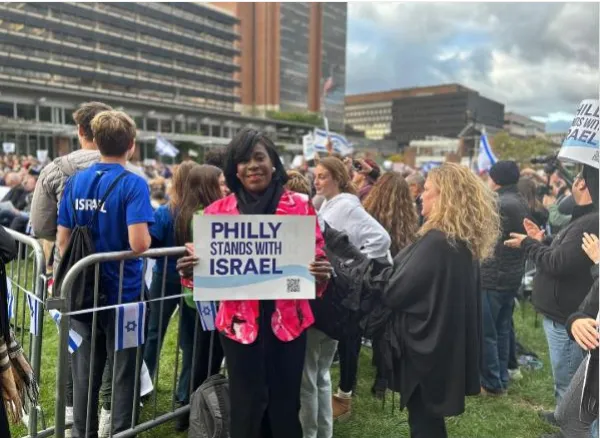
I am proud to stand with Philadelphia’s Jewish community in support of Israel against terrorism. Instagram post by cherelleparkerphilly from October 18, 2023
.
Philadelphia Mayor Cherelle Parker has joined city and state officials in condemning a planned boycott targeting six Jewish- and Israeli-owned businesses in the city.
The protest, organized by Philly Bike On Your Left, is scheduled for Sunday, November 8, near Rittenhouse Square. The campaign targets six businesses that organizers describe as supporting Israel. The controversy has drawn criticism from the mayor, City Council members, the district attorney, and Jewish organizations.
Parker has described singling out Jewish-owned businesses as unacceptable and directed police to coordinate security measures while protecting the rights of peaceful demonstrators.
Hala Ashraf was identified as a lead organizer of the Boycott Ride. Demonstrators are expected to carry slogans such as “No Business for Zionists!”
According to a November 5 report by 5 Towns Central, the targeted establishments include Mac Mart, K’Far Cafe, and businesses associated with Israeli-American chef Michael Solomonov’s CookNSolo restaurant group.
StopAntisemitism and the Anti-Defamation League (ADL), two U.S.-based organizations that advocate for Israel and combat antisemitism, have also condemned the planned protest, arguing that it targets Jewish businesses because of their owners' identity.
Alan Domb, a former Philadelphia City Council member and owner of Schlesinger's, a Jewish deli in Center City, said his business had been singled out for harassment. A now-deleted Instagram post attributed to the campaign reportedly described the owners as “disgusting humans.”
There is a legitimate question here: Where does criticism of Israel end and antisemitism begin?
I have no tolerance for antisemitism, just as I have no tolerance for Islamophobia. But we must distinguish between Judaism, a religion, and Zionism, a political ideology. They are not interchangeable.
If a business has documented financial or other ties to Israeli policies or military activities that consumers oppose, people have every right to boycott it. However, targeting businesses simply because their owners are Jewish is another matter entirely.
Mayor Parker visited a Jewish community gathering on October 18, 2023, shortly after the October 7 attacks. In an Instagram post, she expressed pride in standing with Philadelphia's Jewish community in support of Israel against terrorism.
But where was that same concern for Palestinian civilians?
According to United Nations reporting, more than 74,000 Palestinians had been reported killed in Gaza by October 2026. Thousands of children were among the dead. Where was the mayor's equally forceful call for protecting Palestinian civilians, opposing their forced displacement, and ending the starvation and suffering in Gaza?
The right to peaceful protest and political expression cannot depend on whose suffering is being discussed.
Consider what happened to American Muslims after September 11. Although the overwhelming majority had nothing to do with Al-Qaeda and condemned its attacks, many Muslims experienced discrimination, harassment, and even physical assaults simply because of their religion or names.
Collective blame is wrong, regardless of whom it targets.
Consumers have the right to decide where they spend their money. Businesses have the right to choose whom they serve. These are basic principles of a free society.
If I disagree with a company's practices or political activities, I can take my business elsewhere. That is not hatred; it is a consumer choice.
The influence of pro-Israel lobbying in Washington also deserves scrutiny. The American Israel Public Affairs Committee (AIPAC) and its affiliated American Israel Education Foundation have played significant roles in shaping the U.S.-Israel relationship.
A 2026 investigation by The Guardian reported that AIEF had spent more than $4.2 million funding trips to Israel for at least 78 members of Congress since October 7, 2023. These trips, funded through a charitable affiliate, raise legitimate questions about the influence of organized lobbying on American foreign policy.
Americans have every right to question why their tax dollars continue to support Israeli military operations while Palestinian civilians endure such devastating consequences.
BDS — Boycott, Divestment, and Sanctions — is a nonviolent movement that seeks to pressure Israel to end its occupation and discriminatory policies against Palestinians. Its supporters point to the international boycott movement against apartheid South Africa as a historical precedent.
For that reason, the three letters BDS remain deeply controversial in the debate over Israel and Palestine.
Meanwhile, I checked Mayor Parker's Facebook page while writing this article. Some of the comments from her own followers suggest that her position does not necessarily reflect the views of all her constituents.
Here are a few examples:
1. Ceil Keller:
“Anti-Zionism is not antisemitism.”
2. Betty Parker:
“Protesting genocide is not antisemitic. I'm Jewish and oppose genocide.”
3. Jess Marie:
“Can someone please enlighten me? We were in town for Unrivaled and saw some of the march through Rittenhouse Square, but saw nothing inappropriate at all.”
4. Rory Kelsey:
“I don't know what exactly was said or displayed at this protest, but there is a distinct difference between antisemitism and protesting against Israel.”
Kelsey went on to criticize the Israeli government's treatment of Palestinians and questioned how anyone could support its actions.
These comments illustrate an important point: Jewish Americans, like everyone else, do not share a single political position on Israel.
Ultimately, democracy means protecting the right to speak, protest, disagree, and boycott peacefully — even when the message makes elected officials uncomfortable.
Mahmoud El-Yousseph is a Palestinian freelance writer and retired U.S. Air Force veteran. He writes about U.S. foreign policy, Middle Eastern affairs, and justice.
Philadelphia Mayor Cherelle Parker has joined city and state officials in condemning a planned boycott targeting six Jewish- and Israeli-owned businesses in the city.
The protest, organized by Philly Bike on Your Left, is scheduled for Sunday, November 8, near Rittenhouse Square. The campaign targets six businesses that organizers describe as supporting Israel. The controversy has drawn criticism from the mayor, City Council members, the district attorney, and Jewish organizations.
Parker has described singling out Jewish-owned businesses as unacceptable and directed police to coordinate security measures while protecting the rights of peaceful demonstrators.
Hala Ashraf was identified as a lead organizer of the Boycott Ride. Demonstrators are expected to carry slogans such as “No Business for Zionists!”
According to a November 5 report by 5 Towns Central, the targeted establishments include Mac Mart, K’Far Cafe, and businesses associated with Israeli-American chef Michael Solomonov’s CookNSolo restaurant group.
StopAntisemitism and the Anti-Defamation League (ADL), two U.S.-based organizations that advocate for Israel and combat antisemitism, have also condemned the planned protest, arguing that it targets Jewish businesses because of their owners' identity.
Alan Domb, a former Philadelphia City Council member and owner of Schlesinger's, a Jewish deli in Center City, said his business had been singled out for harassment. A now-deleted Instagram post attributed to the campaign reportedly described the owners as “disgusting humans.”
There is a legitimate question here: Where does criticism of Israel end and antisemitism begin?
I have no tolerance for antisemitism, just as I have no tolerance for Islamophobia. But we must distinguish between Judaism, a religion, and Zionism, a political ideology. They are not interchangeable.
If a business has documented financial or other ties to Israeli policies or military activities that consumers oppose, people have every right to boycott it. However, targeting businesses simply because their owners are Jewish is another matter entirely.
Mayor Parker visited a Jewish community gathering on October 18, 2023, shortly after the October 7 attacks. In an Instagram post, she expressed pride in standing with Philadelphia's Jewish community in support of Israel against terrorism.
But where was that same concern for Palestinian civilians?
According to United Nations reporting, more than 74,000 Palestinians had been reported killed in Gaza by October 2026. Thousands of children were among the dead. Where was the mayor's equally forceful call for protecting Palestinian civilians, opposing their forced displacement, and ending the starvation and suffering in Gaza?
The right to peaceful protest and political expression cannot depend on whose suffering is being discussed.
Consider what happened to American Muslims after September 11. Although the overwhelming majority had nothing to do with Al-Qaeda and condemned its attacks, many Muslims experienced discrimination, harassment, and even physical assaults simply because of their religion or names.
Collective blame is wrong, regardless of whom it targets.
Consumers have the right to decide where they spend their money. Businesses have the right to choose whom they serve. These are basic principles of a free society.
If I disagree with a company's practices or political activities, I can take my business elsewhere. That is not hatred; it is a consumer choice.
The influence of pro-Israel lobbying in Washington also deserves scrutiny. The American Israel Public Affairs Committee (AIPAC) and its affiliated American Israel Education Foundation have played significant roles in shaping the U.S.-Israel relationship.
A 2026 investigation by The Guardian reported that AIEF had spent more than $4.2 million funding trips to Israel for at least 78 members of Congress since October 7, 2023. These trips, funded through a charitable affiliate, raise legitimate questions about the influence of organized lobbying on American foreign policy.
Americans have every right to question why their tax dollars continue to support Israeli military operations while Palestinian civilians endure such devastating consequences.
BDS — Boycott, Divestment, and Sanctions — is a nonviolent movement that seeks to pressure Israel to end its occupation and discriminatory policies against Palestinians. Its supporters point to the international boycott movement against apartheid South Africa as a historical precedent.
For that reason, the three letters BDS remain deeply controversial in the debate over Israel and Palestine.
Meanwhile, I checked Mayor Parker's Facebook page while writing this article. Some of the comments from her own followers suggest that her position does not necessarily reflect the views of all her constituents.
Here are a few examples:
1. Ceil Keller:
“Anti-Zionism is not antisemitism.”
2. Betty Parker:
“Protesting genocide is not antisemitic. I'm Jewish and oppose genocide.”
3. Jess Marie:
“Can someone please enlighten me? We were in town for Unrivaled and saw some of the march through Rittenhouse Square, but saw nothing inappropriate at all.”
4. Rory Kelsey:
“I don't know what exactly was said or displayed at this protest, but there is a distinct difference between antisemitism and protesting against Israel.”
Kelsey went on to criticize the Israeli government's treatment of Palestinians and questioned how anyone could support its actions.
These comments illustrate an important point: Jewish Americans, like everyone else, do not share a single political position on Israel.
Ultimately, democracy means protecting the right to speak, protest, disagree, and boycott peacefully — even when the message makes elected officials uncomfortable.
Mahmoud El-Yousseph is a Palestinian freelance writer and retired U.S. Air Force veteran. He writes about U.S. foreign policy, Middle Eastern affairs, and justice.