
Echoes of Ohio's Own President Grant
As state and federal political cycles dominate headlines, national media outlets remain focused on legislative margins and upcoming candidate match-ups. A prominent example is the analysis featured in the CBS News Midterm Elections Overview, which details how competitive House and Senate contests across the country—including high-stakes races right here in Ohio—will shape federal power. While following candidate races provides insight into partisan strategy, it also highlights an enduring truth: electing candidates is not enough to secure civil liberties or guarantee government accountability.
Candidates come and go, majorities shift, and campaign promises fade. To achieve permanent protection for fundamental freedoms, we must look to Ohio's own history and enforce accountability directly through structural constitutional reform.
Ohio's Own: President Grant's Legacy on Human Rights
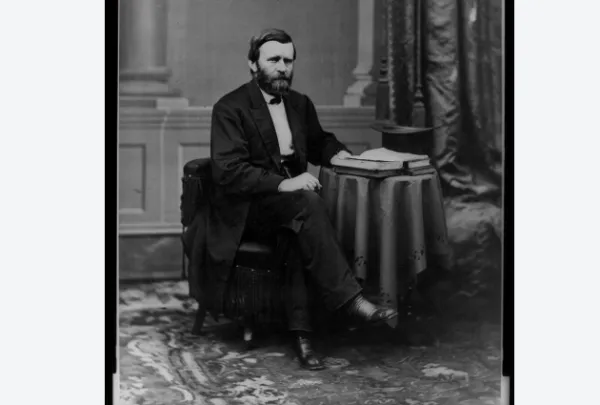
The battle to enforce constitutional protections against official abuse is deeply rooted in Ohio's legacy of leadership. Born in Point Pleasant, Ohio, President Ulysses S. Grant stood firm on human rights when state and local officials failed—or outright refused—to protect citizens from systemic oppression and violence. Recognizing that constitutional promises are hollow without enforceable legal remedies, President Grant urged Congress to pass the Enforcement Act of 1871 (also known as the Ku Klux Klan Act). Codified today as 42 U.S.C. § 1983, this landmark civil rights legislation established a direct civil cause of action, empowering ordinary citizens to hold public officials accountable in court when operating under color of law to deprive them of their constitutional rights.
President Grant understood a fundamental truth: rights without direct enforcement mechanisms are merely words on paper.
The Modern Erosion: Why Ohioans Must Act Again
Over the past half-century, federal and state courts have steadily eroded the promise of Section 1983 through judge-made doctrines like qualified immunity and statutory sovereign immunities. Today, when Ohioans suffer constitutional violations—whether through unlawful search and seizure, excessive force, or due process deprivations—public entities and officials routinely invoke legal shields to evade accountability in state court.
As political coverage in CBS News illustrates, candidates across the political spectrum regularly promise justice reform on the campaign trail. Yet once in office, legislative bodies rarely dismantle the legal immunities that protect state agencies from liability. Relying on elected officials to check their own authority has created an endless loop of unfulfilled promises.
Protecting Ohioans’ Constitutional Rights: Our Only Call to Action
Just as President Grant stood firm in 1871, Ohioans are once again taking action to defend constitutional freedoms. Under Article II of the Ohio Constitution, the power to amend state law is explicitly reserved to the people through the citizen-led ballot initiative. The Protecting Ohioans’ Constitutional Rights Citizen-Led Ballot Amendment Initiative is our only true call to action because it completes the civil rights work championed by Ohio’s own President Grant over 150 years ago. By establishing an explicit private cause of action in state court and stripping away qualified immunity and statutory defenses, our initiative ensures that:
Constitutional Guarantees Have Direct Remedies:
Victims of state-level constitutional deprivations can seek direct legal redress and fair compensation in Ohio courts.
Government Misconduct Has Consequences:
Removing immunity doctrines establishes immediate deterrents against administrative abuse, law enforcement misconduct, and official overreach.
Accountability Is Locked into Law:
Bypassing partisan gridlock places fundamental protections directly into the Ohio Constitution, where no legislature or state actor can erode them.
Monitoring candidate contests and political updates through outlets like CBS News keeps us informed, but casting a vote for a representative every two years will never automatically guarantee our civil liberties. Ohioans have always led the way when human rights are on the line.
The Protecting Ohioans’ Constitutional Rights Initiative is our only call to action because it restores enforceable accountability directly into the hands of the people.
Referenced Resources & Links
2026 Midterm Election Races to Watch - CBS News Enforcement Act of 1871 (42 U.S.C. § 1983)
Overview - U.S. House of Representatives Archives Ulysses S. Grant Biography & Presidential Legacy
Ballotpedia Citizen-Initiated Constitutional Amendments
Ohio Secretary of State
For nonpartisan voting resources and local jurisdiction details, visit Vote.org
Miss Cynthia Brown is the Founder and CEO of Heartbeat Movement Inc., Committee Chair for Protecting Ohioans' Constitutional Rights, and Founder of The Ohio Coalition for Police Accountability and Transparency (oceqi.org). She is a dedicated civil rights advocate leading state constitutional reform, legal transparency, and citizen-led democracy in Ohio.