
Justice Denied and Dignity Attacked: The Casey Goodson Jr. Verdict and the FOP’s Rhetoric of Division
The long-awaited verdict in the trial of former Franklin County Deputy Jason Meade has finally arrived, bringing a measure of legal closure to a case that has haunted Columbus since December 2020. While the jury’s conviction of Meade for reckless homicide marks a rare moment of criminal accountability for police violence, the aftermath has been marred by a toxic shift in rhetoric from those sworn to protect and serve.
As we process the impact of this case, we must look closely at the state of accountability in our city—and the dangerous wedge being driven between the police and the residents we serve.
The Verdict: A Fragment of Accountability
Casey Goodson Jr. was 23 years old, a young man entering his grandmother’s home with sandwiches for his family, when he was shot five times in the back. For years, the community demanded transparency. The conviction of Jason Meade acknowledges a fundamental truth that many in power have sought to obscure: a badge does not place an individual above the law. However, accountability is more than a single verdict. It is the systemic insurance that such tragedies do not occur, and that when they do, the truth is not buried under layers of institutional protection. This verdict is a step toward justice, but the response from the Fraternal Order of Police (FOP) suggests we are still miles away from genuine transparency.
The Rhetoric of Hate: Brian Steel’s "Poverty Pimp" Comment
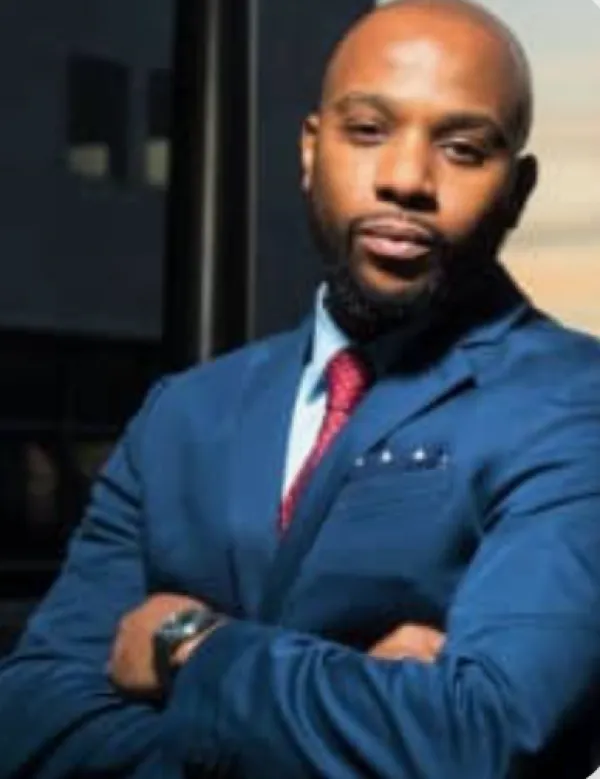
In the wake of the trial, FOP President Brian Steel chose to bypass the gravity of the loss of life and instead launched a vitriolic personal attack against the Goodson family’s attorney, Sean Walton. By labeling Walton—the president-elect of the Columbus NAACP—a “poverty pimp” in a “$3,000 suit,” Steel did more than just insult an individual. The term "poverty pimp" is a racially charged trope designed to delegitimize Black leadership and advocacy. It suggests that those fighting for civil rights are merely exploiting their own community’s suffering for profit.
By using this language, Steel signaled a profound contempt for the very residents who seek redress for systemic harm. When the leadership of a police union reacts to a homicide conviction not with reflection, but with professional and racial slurs, it confirms the community’s deepest fears: that the culture of policing in Columbus remains hostile to the concept of public oversight.
Officer Steel, using terms like ‘poverty pimp’ doesn’t just insult an individual attorney; it insults every resident seeking accountability from the system you represent. Comparing a modern pursuit of civil rights to a caricature is a regression into a history we should be trying to move past. Real leadership bridges gaps; it doesn't build walls with outdated, divisive rhetoric. Let’s focus on the facts of the case rather than the price of a suit.
Beyond Misconduct: The Power of §1983
The path to this verdict was paved by relentless advocacy and the use of legal tools designed to pierce the veil of government immunity. We must remember that accountability is not limited to the criminal courts.
Federal law, specifically 42 U.S.C. § 1983, remains a vital instrument for civil engagement and justice. While many view §1983 solely through the lens of police misconduct, its scope is much broader. It covers anyone who misuses government-granted power to violate constitutional rights. Whether it is a lawmaker, a prison official, or a deputy, the power to sue is the power to demand that the government respects the humanity of every citizen. We must shift our focus toward these educational strategies, encouraging people to actively participate in civil engagement to protect their rights.
Where We Go From Here
The "wedge" mentioned by critics is not created by those seeking justice; it is driven deep by those who treat accountability as an act of war. Transparency cannot exist in an environment where the truth is viewed as a betrayal and where advocates for the marginalized are met with racialized vitriol.
If we are to move forward, we must demand more than just occasional convictions. We must demand a total shift in the culture of the FOP and the institutions it represents. We need a system where truth can be told safely, where the lives of our young men are valued above professional solidarity, and where the rhetoric of "poverty pimps" is recognized for what it is: a desperate attempt to avoid the mirror of accountability.
The Casey Goodson Jr. case has shown us that our story is one of resilience. We will continue to walk the hills of this struggle, advocating for an end to immunity and a beginning of true transparency. Justice is not just a verdict; it is the daily practice of holding power to account. The Fourth Estate is Rising.
Miss Cynthia Brown is a veteran advocate, a student of media communications, and a leading voice for systemic legal reform in the State of Ohio. She is the founder of the Heartbeat Movement Inc., founder of The Ohio Coalition to End Qualified Immunity (OCEQI), and a Committee Chair of Protecting Ohioans’ Constitutional Rights. Learn more and join the movement: https://oceqi.org/