
The Minstrel Show Continues... in the World of Trump Administration’s Political Power
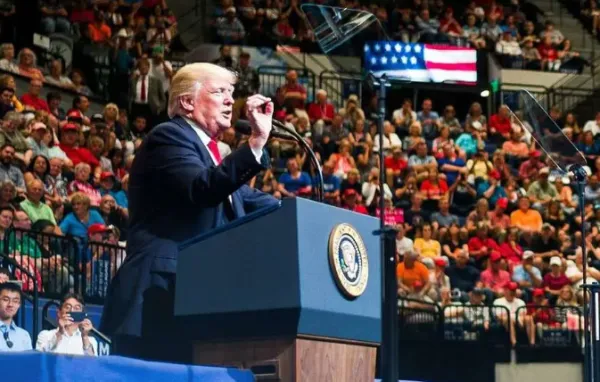
In the high-stakes arena of modern American political power, performance art often threatens to eclipse substance. As the political machinery under federal executive leadership continues to reshape governance, public discourse, and institutional frameworks, critical observers are raising alarms about a troubling phenomenon: the persistent reliance on political spectacle, performative politics, and racialized tokenism to obscure systemic inequities and legal overhaul. This dynamic—where high-stakes policy decisions and constitutional principles are reframed as transactional entertainment—draws direct parallels to an enduring historical farce: The Minstrel Show.
Performative Governance vs. Institutional Reality
Fifth Estate reporting centers on holding state and federal power structures accountable. In evaluating current administrative moves, policy shifts, and public posturing, several distinct patterns emerge:
The Spectacle as a Shield: By maintaining a continuous cycle of high-drama headlines, public grievances, and symbolic gestures, political power operators draw public focus away from fundamental structural changes. Critical legislative, regulatory, and constitutional shifts proceed behind the scenes while the public arena remains fixated on the theatrical front.
Tokenization and Manufactured Consensus: The deliberate deployment of high-profile surrogates to project an illusion of broad, diverse endorsement remains a classic political tactic. When political leaders highlight select voices to validate policies that harm broader marginalized communities, it mirrors historical minstrel dynamics—using caricatured representations to sanitize underlying exploitation and disenfranchisement.
The Erasure of Accountable Representation: True civic representation requires transparent governance, civil rights protections, and institutional accountability. When political leadership reduces civil liberty issues to optics and soundbites, the core demands of grassroots communities—equal justice under the law, police accountability, and constitutional safeguards—are ignored in favor of performative loyalty.
Direct Impact on Ohioans: The Local Reality
When we translate these broader national dynamics down to our state, the performative circus gives way to concrete, local consequences across healthcare, industry, and fundamental civil rights:
Healthcare Access and Economic Shocks: While political speeches promise relief, broad federal restructuring and rollbacks to programs like Medicaid hit working-class Ohio communities directly. Reduced matching funds threaten local safety nets and put immense operational pressure on rural community hospitals, leaving thousands of Ohioans navigating rising costs and shrinking access.
Manufacturing Realities vs. Photo-Ops: High-profile ribbon-cuttings and manufacturing claims often mask the real economic friction felt on Ohio factory floors. When federal modernization support or supply-chain initiatives are disrupted, the fallout hits local machine shops, apprenticeships, and industrial suppliers across Northeast Ohio, the Mahoning Valley, and statewide supply networks.
Federal Overreach and Local Defense: The friction between top-down political posturing and actual constitutional guarantees directly impacts the daily lives of Ohio residents. Whether through federal administrative mandates or shifting regulatory goalposts, everyday citizens bear the brunt when federal power bypasses local needs and constitutional protections.
Refusing the Script
Through Grassroots Action In response to top-down administrative theater and partisan maneuvering, citizen-led advocacy in Ohio is proving that real power lies in constitutional mechanisms rather than stagecraft. When political leadership treats civil rights and justice as transactional commodities, grassroots coalitions across the state are stepping up. Through citizen ballot initiatives, federal civil rights litigation (such as Cynthia Brown v. Dave Yost), and persistent organizing, we are actively dismantling the theatrical front to demand equal protection under the law, true government transparency, and an end to unchecked authority.
Exposing the performance requires moving beyond curated distractions, confronting policy realities directly, and demanding uncompromising, constitutional accountability at every level of government.
Cynthia Brown is a leading civil rights advocate, organizer, and movement builder based in Ohio. She serves as the singular Committee Chair for Protecting Ohioans' Constitutional Rights, Founder and CEO of Heartbeat Movement Inc., Founder of The Ohio Coalition to End Qualified Immunity, and Founder of The Ohio Coalition for Police Accountability and Transparency. Following personal tragedy, Cynthia transitioned from personal loss to systemic advocacy, spearheading historic federal civil rights litigation (Cynthia Brown v. Dave Yost) that established landmark First Amendment protections for citizen-led initiative campaigns across the United States. She continues to lead statewide coalitions of impacted families, veterans, and grassroots advocates fighting to eliminate judicial immunities, safeguard constitutional liberties, and restore institutional accountability for all citizens.
Contact: Heartbeatmovementinc@gmail.com | 380-895-6183
Campaign & Initiatives: oceqi.org