
Ohio Needs a Governor Who Understands Healthcare
Ohio is home to some of the most respected healthcare institutions in the world. Cleveland Clinic is consistently ranked among the world's best hospitals, while The Ohio State University Wexner Medical Center is nationally recognized across multiple specialties. Yet despite these achievements, Ohio ranks near the bottom nationally in overall health value—worse than any other state in the Midwest—and some communities experience life expectancies that rival those of the world's poorest countries.
How can a state renowned for world-class medicine fail so many of its citizens?
The answer is that exceptional hospitals alone do not create a healthy state. Access to care, workforce stability, insurance coverage, and public policy determine whether residents can benefit from the excellence that exists within Ohio's borders.
Healthcare is one of Ohio's largest economic engines. Nearly 807,000 Ohioans—roughly 14 percent of the state's workforce—are employed in healthcare. These workers are the backbone of hospitals, clinics, nursing homes, physician offices, and emergency medical services across the state. Yet despite employing one of the nation's largest healthcare workforces, Ohio continues to face more than 40,000 unfilled healthcare positions, straining providers from urban academic medical centers to small rural hospitals.
On top of simple demographics or burnout, these are also in part due to policy decisions. Earlier this year, Congress approved the largest reductions to Medicaid funding in American history, changes projected to reduce federal Medicaid spending by hundreds of billions of dollars over the coming decade. For Ohio, those consequences are expected to be significant. More than 200,000 Ohioans have already lost healthcare coverage, with hundreds of thousands more projected to lose coverage over the next decade if current estimates hold.
This will come to someone delaying cancer treatment because they lost coverage, someone driving two hours because their local hospital reduced services, or someone waiting months to establish care with a primary care physician because there simply are not enough providers.
These are defining political issues ahead of the 2026 midterm elections, and nowhere is that clearer than in Ohio.
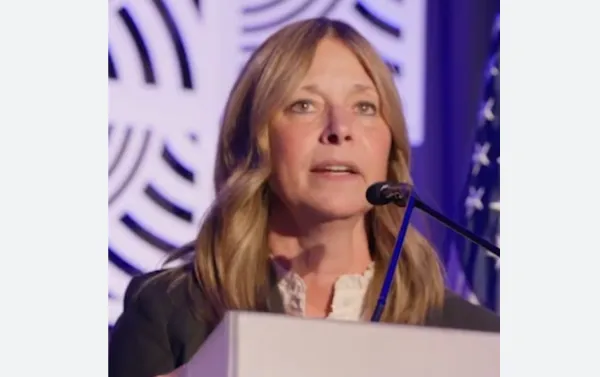
The gubernatorial race to succeed term-limited Governor Mike DeWine offers voters a stark choice in how the state approaches healthcare. Republican nominee Vivek Ramaswamy has centered much of his campaign on tax reductions and economic growth. Democratic nominee Amy Acton, the state's former health director, has made healthcare affordability and access central to her campaign.
As a physician, I believe Acton's candidacy deserves particular attention.
Healthcare policy is often written by people who have never delivered care, managed a public health crisis, or watched patients struggle to navigate a system that was supposedly built to help them. Acton brings something increasingly rare to American politics: firsthand experience inside the healthcare system and at the highest levels of state public health leadership.
Ohio needs someone who understands that a rural hospital closing is both a healthcare crisis and an economic crisis, that losing nurses and physicians affects entire communities, and that insurance coverage means little if a patient cannot find a provider, afford a prescription, or reach the nearest hospital.
Organizations like Healthcare for Action believe healthcare professionals should play a larger role in shaping the policies that govern the systems in which they work. Those providing care have firsthand knowledge of what strengthens healthcare delivery… and what undermines it. We should be paying attention when one of our own steps forward to lead.
Ohio has demonstrated that it can build hospitals recognized around the globe. The challenge now is ensuring that every Ohioan can benefit from that excellence, regardless of where they live or what insurance card they carry. Ohio has the talent, the institutions, and the workforce to lead the nation in healthcare.
Amy Acton understands the gap between the healthcare system Ohio has built and the healthcare system too many Ohioans actually experience. In this election, that experience may be exactly what Ohio needs.