
Parents Don’t Stop Being Parents After Deportation
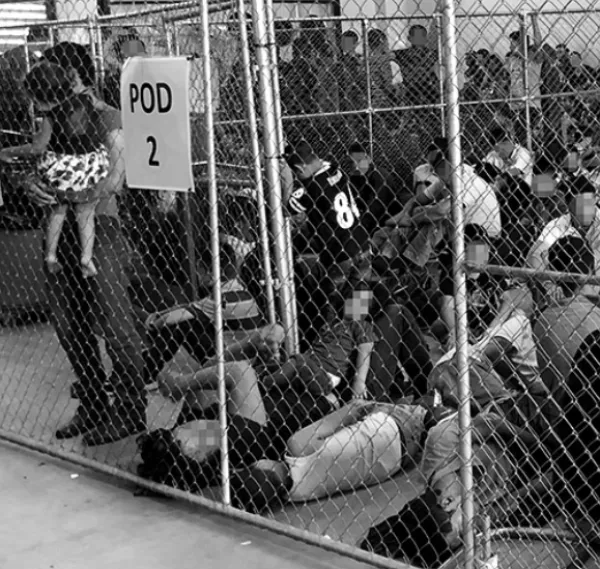
Parents don’t stop being parents after they are deported. But a new paper from Justice in Motion, Parental Rights After Deportation: How U.S. Immigration Enforcement Is Reshaping Parental Rights and Family Unity Across Borders — and How to Fix It, reveals how immigration enforcement can prevent parents from exercising their fundamental rights to care for, protect, and make decisions about their children — especially after removal from the United States. Find the report and parent testimonies from Texas, Florida, South Carolina, Georgia, Louisiana, and Washington state at rightsbeyondremoval.org.
“Brookings estimates that more than 205,000 children in the United States have had a parent taken into immigration detention or deported since January 2025. But those numbers don’t tell us what families experienced during that time or after removal. Through our Deportation Response Initiative, we’re hearing directly from parents in Guatemala, Honduras, and Mexico, giving us a firsthand view of what immigration enforcement statistics leave out — and it’s heartbreaking,” said Keeli Sorensen, Policy Director, Justice in Motion.
Some parents were forced to leave their children behind in the U.S., or lost the ability to decide where their children would live. Some were detained along with their children and deported as a family — U.S.-born kids forced to leave their own country. Some families left together rather than risk being separated by immigration enforcement. But even then, the struggle to protect children’s health, safety, and well-being continued. The brief draws on 122 interviews and includes real-life examples from parents who lived across the U.S. – from Florida and Texas to South Carolina and Washington state.
“The people we interviewed never stopped being parents,” said Cathleen Caron, Executive Director, Justice in Motion. “But many still lost the ability to exercise their rights, and we know exactly how dangerous it can be when immigration enforcement takes decision-making out of parents’ hands. Nearly a decade after the ‘Zero Tolerance’ policy tore thousands of families apart, Justice in Motion is still helping parents reunite with their children. Today, we’re seeing family separation unfold in more widespread and complex ways, exposing systemic gaps that leave parents unable to protect their children. Congress must act now to close those gaps and prevent more families from suffering the same harm.”
Said Sorensen, “All children deserve to be safe, loved, and protected. Our paper includes five things Congress must do immediately to protect children and preserve parents’ ability to care for them. These are commonsense changes we need to make to immigration laws and practices today.”
The brief calls on Congress to take these five actions:
- Require consideration of children’s best interests in enforcement decisions;
- Preserve parents’ ability to make decisions about their children’s care, placement, and travel;
- Restore and strengthen protections for new and expectant mothers;
- Create remedies when immigration agencies violate parental protections; and
- Strengthen oversight and accountability of immigration enforcement.
“Deportation isn’t the end of the story,” added Sorensen. “There are hundreds of thousands of families trying to figure out where to go from here. We’re calling on Congress to protect parental decision-making, safeguard children’s well-being, put family integrity first, and ensure families have meaningful remedies when their rights are violated. This is the very least we can do to protect our nation’s most important asset — our children.”
Read the full brief and explore firsthand stories from parents at rightsbeyondremoval.org.
Justice in Motion protects migrants’ rights by ensuring justice across borders. For more than 20 years, our portable justice model has connected migrants to legal support across borders through our Defender Network (Red de Justicia en Movimiento para Migrantes), a network of more than 70 locally-led human rights lawyers and organizations across Mexico and Central America.