
Before You Donate to FIDF, Ask Who Pays the Price
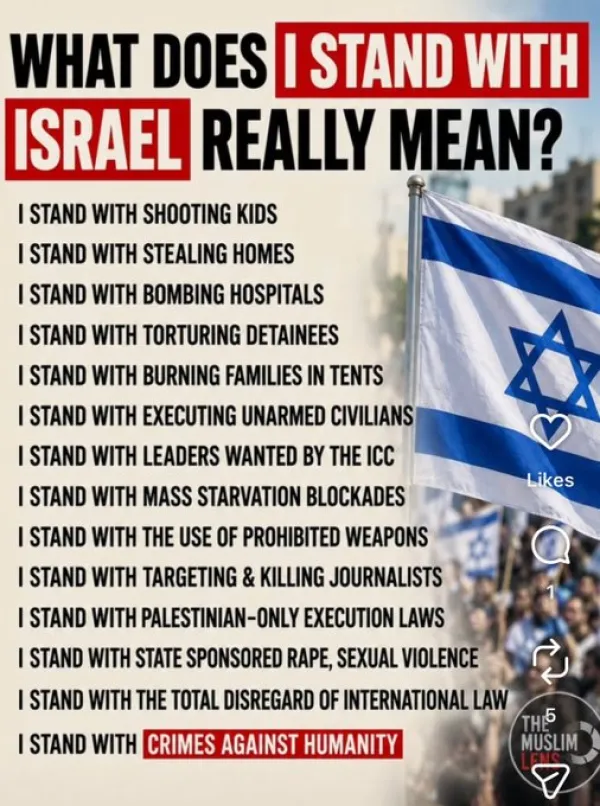
Image Twitter X
Friends of the Israel Defense Forces (FIDF) was named the top Jewish charitable organization of 2023 by The Jerusalem Post.
So, before you donate, ask yourself: What is your money helping to fund—and who ultimately pays the price?
After reading a powerful post on X by @LailaPalestini1 of Los Angeles, California, highlighting some of the human impact of supporting Israel, I was inspired to expand on the issues she raised and examine what donations to organizations such as FIDF can mean in practice.
https://x.com/LailaPalestini1/status/2093800096680800348?s=20
While we may not be able to stop the Trump administration and Congress from providing military and financial aid to Israel, we can influence businesses, charities, and private organizations through our choices.
According to FIDF, donations support programs intended to equip, strengthen, and empower IDF soldiers. But that raises an important question:
What happens when the soldiers being supported are accused of serious violations against civilians and international law?
Among the conduct documented or alleged by human rights organizations, journalists, investigators, and international bodies are:
- The killing of Palestinian children and other civilians.
- The destruction and seizure of Palestinian homes and property.
- Attacks that have damaged or destroyed hospitals and other civilian infrastructure.
- The detention and alleged torture or mistreatment of detainees.
- The killing of families sheltering in tents and other civilian locations.
- The killing of unarmed civilians.
- Actions affecting individuals and officials subject to proceedings or warrants issued by international institutions.
- The use of starvation and restrictions on humanitarian aid as tools of war.
- The alleged use of prohibited or indiscriminate weapons.
- The killing and targeting of journalists.
- Policies and practices alleged to discriminate against Palestinians under Israeli control.
- Allegations of sexual violence and other abuses against detainees and civilians.
- The detention of U.S. citizens without charges or due process.
- The killing of American citizens without meaningful accountability.
- Attacks and harassment affecting Christians and Christian places of worship.
- Israel’s continued military presence in parts of southern Lebanon despite ceasefire agreements and international pressure.
- Attacks affecting UN peacekeeping forces in southern Lebanon.
- The targeting and killing of paramedics and journalists in Lebanon.
- Damage and desecration of religious sites and Christian statues in southern Lebanon.
- The destruction of residential neighborhoods in Beirut.
- The alleged use of white phosphorus in southern Lebanon.
- The leveling of towns and villages in southern Lebanon, documented through satellite imagery and video.
- The transfer and establishment of Israeli civilian settlements in the occupied Syrian Golan Heights.
- Repeated allegations of violations of international humanitarian law.
- Allegations of war crimes and crimes against humanity.
These are not abstract political arguments. They are claims about real people, real communities, and real human suffering.
And that is why donors should look beyond the glossy language of charitable fundraising.
Ask where the money goes. Ask what programs it supports. Ask what those programs enable. And, most importantly, ask who pays the price.
There is also another uncomfortable question: What happens when the media fails to adequately investigate or challenge the official narratives?
https://x.com/Alexand74195770/status/2091539619800101224?s=20
You can always do your own research. Google the USS Liberty, Rachel Corrie, Shireen Abu Akleh, Hind Rajab, or Anas Al-Sharif, to name just a few.
Look at the investigations, the evidence, the official statements, and what happened afterward. These cases raise serious questions about how Israel has handled allegations of wrongdoing, denied responsibility, and, in some cases, avoided meaningful accountability.
The truth is there—if you’re willing to look for it.
The public deserves more than carefully managed narratives. It deserves accountability, transparency, and the opportunity to examine evidence for itself.
Supporting baby killers that engages in genocide and forced starvation is not compatible with the American values of human rights, compassion and equal dignity for all.
So, before you donate to FIDF or any organization supporting the Israeli military, don’t just ask where your money goes. Ask what it enables—and who pays the price.
Mahmoud El-Yousseph is a Palestinian freelance writer and retired U.S. Air Force veteran. He writes about U.S. foreign policy, Middle Eastern affairs, and justice.
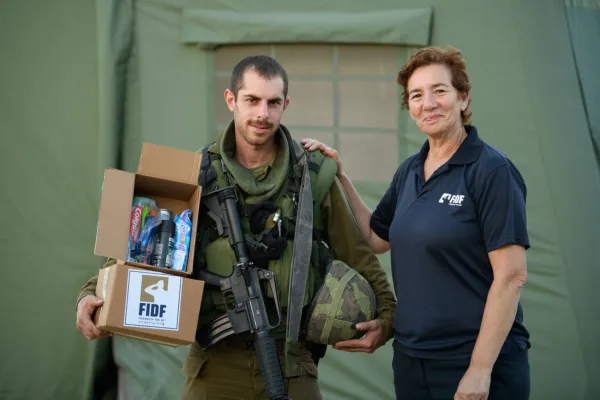
Supporting baby killers that engages in genocide and forced starvation is not compatible with the American values of human rights, compassion and equal dignity for all. Photo credit: fidf.org