
Arts
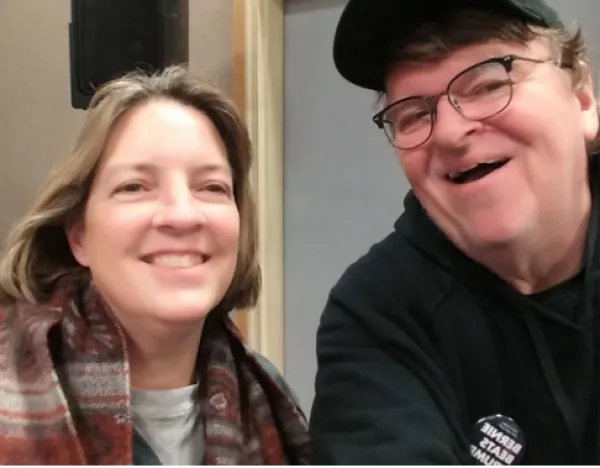
I have followed the films of Michael Moore since "); background-size: 1px 1px; background-position: 0px calc(1em + 1px); background-repeat: repeat-x;" target="_blank">Roger & Me came out while I was in grad school. "); background-size: 1px 1px; background-position: 0px calc(1em + 1px); background-repeat: repeat-x;" target="_blank">Fahrenheit 9/11 looked at what happened to civil liberties in this country after 9/11, and "); background-size: 1px 1px; background-position: 0px calc(1em + 1px); background-repeat: repeat-x;" target="_blank">Fahrenheit 11/9 looked
Note: With most movie theaters closed due to the pandemic, major Hollywood openings have been put on hold. One of the few silver linings of this is that it allows small and often worthy films—some of them directed by women—to debut without competing with the blockbusters. This is one of them.
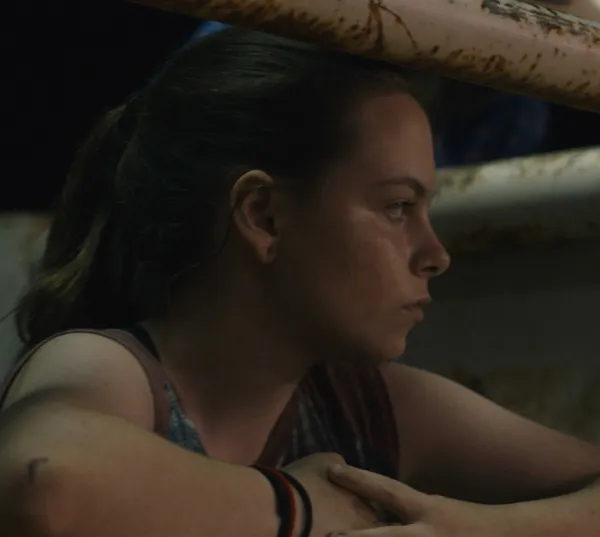
Tough but touching, Bull is the story of a girl’s coming of age amid the direst of conditions. It’s also the story of her unlikely relationship with an aging rodeo performer, as well as a window into a subculture most of us know nothing about.
Kris (Amber Havard) is a 14-year-old living on the outskirts of Houston with her grandmother and younger sister while she waits for her mother to serve out a prison term. Mostly left on her own, she has a tendency to get into the kind of trouble that suggests she’ll eventually follow in her mom’s self-destructive footsteps.

Since the first Coronavirus cases in Ohio were confirmed in early March, events have been canceled left and right. Everything from small gatherings and weddings, to big city festivals and major international events have all been halted due to the pandemic.
However, it is not 100 percent doomy and gloomy while we are all in quarantine. Organizations and individuals alike have come up with alternative ways to have events virtually, to align with the social distancing guidelines that have been governed by our State leaders and the Centers for Disease Control (CDC).
Virtual Events are not just a way to keep the masses entertained while the curve is being flattened, but virtual events have also boosted morale and raised awareness, and sometimes funds for organizations and individuals who need it the most during these times. We can’t be together physically for each other, but we have been there and shown our support virtually for each other. Businesses and local municipalities have all held meetings on Zoom since the pandemic shut down gatherings of more than ten people.
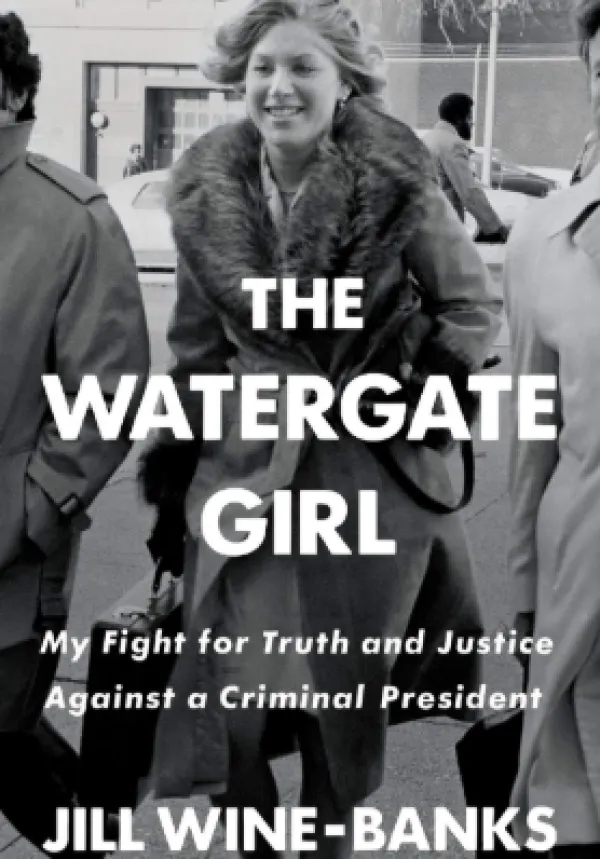
As I mentioned in a previous review of a Richard Nixon biography, Watergate was the beginning of my fascination with politics and American history. The hearings were high theater, and one of the most interesting political spectacles ever. In The Watergate Girl, Wine-Banks tears down the curtain of the legal drama and shows us, among other things, what it was like to be the only woman on the team of lawyers who were prosecuting the president and his henchman.
Wine-Banks was thirty when she was tapped to join the team of prosecutors charged with finding out the truth of Watergate and ensuring justice for the American people. She had been the only woman on the criminal prosecution team in the United States Department of Justice. Smart and always thoroughly prepared, she was assigned to appellate work, but it wasn’t long before she noticed her male colleagues were trying cases in addition to their appellate work. She was told that it was too dangerous for a woman to do so as many of those being prosecuted were members of organized crime groups. She pushed back and was soon prosecuting cases.
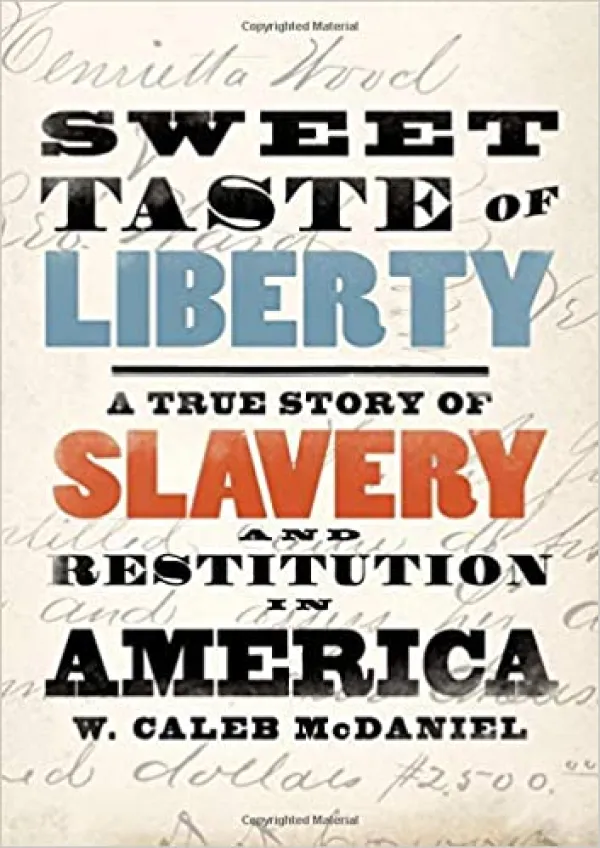
Since the movie Twelve Years a Slave came out in 2013, there have been a number of excellent books published that focus on slavery outside of the south, and how tenuous freedom was for free born or manumitted blacks. Both categories of books force us to grapple with two issues rarely taught school children. The students in my African American History Before Emancipation class are always shocked to learn that slavery existed all over the United States and being free with the documents to prove it did not necessarily keep blacks from b eing forced into slavery through a variety of nefarious schemes. To be black and free in the north was like skating on incredibly thin ice. And thus, we come to the story of Henrietta Wood.
Valentine’s Day is long gone, but a couple of non-mainstream movies are hoping to bring romance back to Columbus screens. And they’ll go about it in very different ways.
France’s Portrait of a Lady on Fire is the kind of elegant period piece that relies on atmosphere, long pauses and meaningful glances. And, oh yes, it also throws in choice moments of nudity and explicit sexuality – just so you’ll know you’re not watching a French adaptation of Jane Austen.
The tale begins in the late 18th century as an artist named Marianne (Noemie Merlant) travels to an island estate to paint a bride’s wedding portrait. Once there, she learns that the assignment is not as straightforward as it seems.
Her subject, Heloise (Adele Haenel), has been forcibly snatched from a convent to replace her deceased sister at the altar. Not only is she an unwilling bride but an unwilling model, having rejected a previous artist’s attempt to capture her image on canvas.
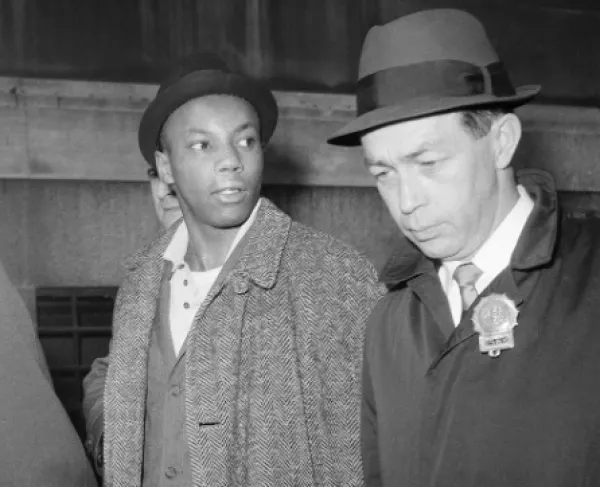
Fifty-five years ago on February 21, civil rights activist Malcolm X was shot on stage at the Audubon Ballroom in New York City. Three men were quickly arrested for the murder. Two of those men — including our client, Muhammad Abdul Aziz (then known as Norman 3X Butler) — have always maintained their innocence.
"Who Killed Malcom X?", a new six-part documentary on Netflix, seeks to answer the question: Did two innocent men spend decades in prison for crimes they did not commit?
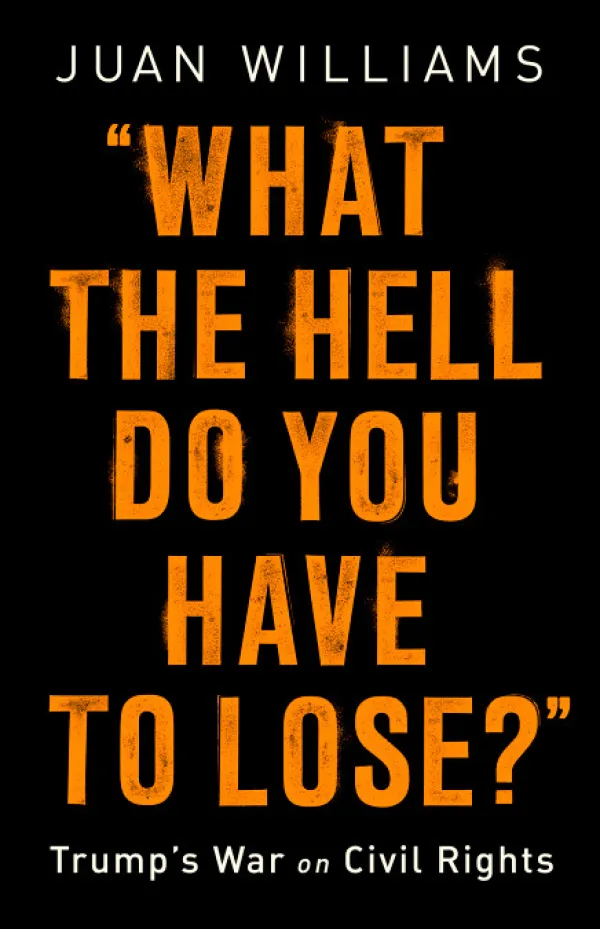
Generally speaking, I don’t comment on or criticize the voting behavior of others. As old folks used to say when I was growing up, my mouth ain’t no prayer book. But if I live to be one hundred, I will never understand why any black person in this country voted for Donald Trump, and I know at least one who did. Indeed, Trump captured eight percent of the African American vote – the worst in the last forty years, but astonishing nonetheless.
Most African Americans wouldn’t think of voting for a Republican candidate, much less one as racist as Trump. Trump knew this, and at a rally in the predominantly white suburb of Dimondale, Michigan in August 2016, he taunted black voters, urged them to ditch the Democratic Party, and “try Trump.” Mocking what he sees as blacks’ wrongly placed allegiance to the Democratic Party, who many believe take black voters for granted, he said to black Americans: "You're living in poverty. Your schools are no good. You have no jobs. Fifty-eight percent of your youth is unemployed.” Trump then asked, “What the hell do you have to lose?"
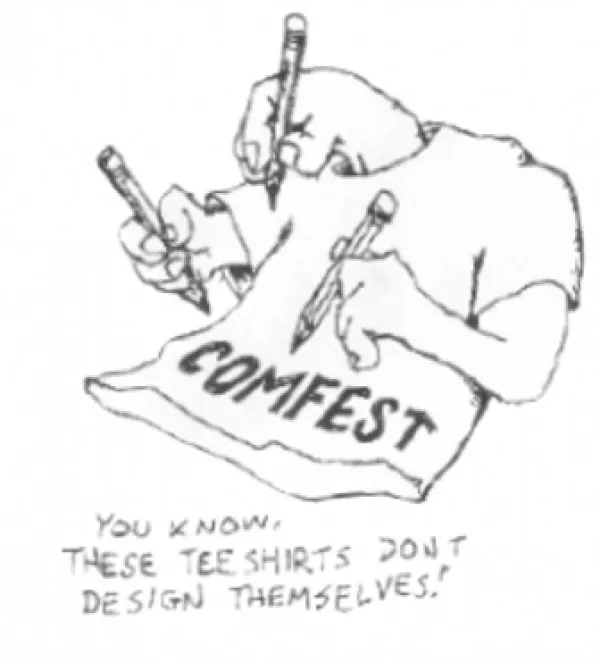
Artists, designers and anyone who wants to be a part of ComFest history, start your pens.
It’s ComFest Logo Design season again, and we need your artistic vision for the 2020 program guide, volunteer T-shirt, and beer mug designs. Each year, the winning ComFest logo is incorporated throughout the festival and becomes part of ComFest’s illustrious history. By tapping into the vast creative energy in our community, ComFest seeks to promote and share our values with a unique visual statement that inspires festival participants, volunteers and attendees. Perhaps your inspiration can do it all this year.
This year’s theme highlights each person’s power to make a difference, actively contribute to community conversations and elevate the political consciousness of everyone around them.
Including these concepts when creating your proposed design will make your entry more competitive in the selection process.
Here’s how it works:
When people think of artists from Columbus, Aminah Brenda Lynn Robinson, Emerson Burkhart, and George Bellows are among the first names that pop up in the Columbus art history books. Recently, Smoky Brown has been getting some local attention, with two art shows over the last three months, over 14 years after his death.
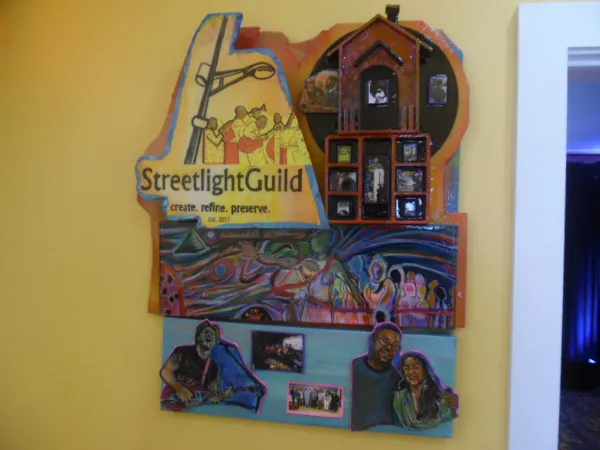
The Eastside Canon: Smoky Brown & Friends was the first Art Show of 2020 at the Streetlight Guild, curated by Richard Duarte Brown. Brown was the artist of the inaugural exhibit “Searching for Family: Richard Duarte Brown” at their current space from June through August 2019.
The Streetlight Guild is a not-for-profit performing arts organization, founded by award-winning writer and poet Scott Woods. The Streetlight Guild “curates events across disciplines with an emphasis on Columbus-based, original, and underrepresented voices,” reads the Guild’s website.