
Editorial
In these dark days of “fake news” and “alternative facts,” it’s hard to trust any politicians. How can we tell apart the ones who spout bald-faced lies from those who actually tell the truth, the whole truth and nothing but the truth? Fortunately, we now have a science-based tool for telling which politicians are comfortable committing to the truth, and which are not, to help guide our votes in the Columbus City Council and Board of Education elections.
By Madeline Stocker and Nicole Butler
Sparked by the outcome of last November’s presidential election, a fire is spreading across Columbus.
Even people who don’t usually pay attention to local politics are witnessing a shift in the political landscape of Ohio’s capital city. There has been a surge in anti-Trump marches, demonstrations outside the Statehouse and public outcry against the top-down legislation threatening to compromise the everyday lives of Columbus residents citywide.
In other words, ‘resistance’ has become a daily practice for hundreds of thousands of Ohio citizens. But each day since last November, more and more Columbus residents are channeling their efforts into resisting the status quo here at home.
“I want to stand against the harmful and flawed policies coming from Washington D.C.,” said Ernest Whitted Jr., who lives with his wife on the South Side. “But I’ve started to notice that many of the decisions that hurt me and my family are made right here in my hometown.”
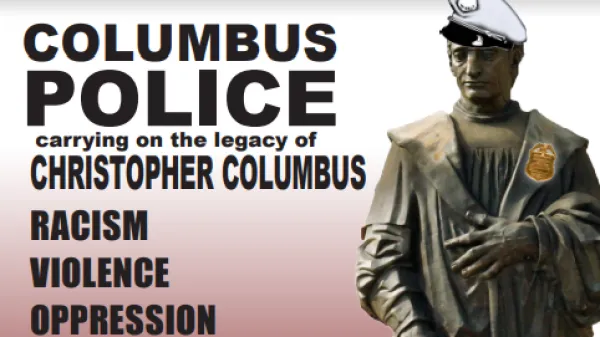
If the whole state of Vermont, the cities of San Francisco, Los Angeles, Phoenix, Denver, Seattle, Minneapolis, Albuquerque, Davenport, Iowa, and even Oberlin, Ohio can change the name of Columbus Day to Indigenous Peoples Day – could Columbus, Ohio be far behind? Sadly, yes.
Following the Ameriflora controversy in 1992 – the international flower festival at Franklin Park celebrating 500 years since Christopher Columbus invaded North America – Native Americans descended on Columbus City Council playing drums and chanting. Council members refused to change the name of Columbus Day, but as an immediate concession to the victims of genocide initiated by Columbus and to make the Native Americans go away, agreed that a week starting on Columbus Day would be designated Indigenous People’s Week. But we never heard anything about that again.
There were some victories: our city hasn’t held a Columbus Day parade since the 90s, the Santa Maria is thankfully gone, and activists successfully prevented a Christopher Columbus statue made by a Russian sculptor, six feet taller than the Statue of Liberty, from being erected downtown.

Free Press readers asked us to analyze The Ohio Drug Price Relief Act (Issue 2), the issue that is running so many TV commercials this election season. Ad campaigns on both sides are more confusing than usual. Progressive voters will lean towards voting “Yes” on the issue, which is a vote against Big Pharma's price gouging – but the opposition is threatening that the prices paid by veterans and others will increase.
We decided to follow the money to determine the real behind-the-scenes story.
Notable support for Issue 2 comes from Senator Bernie Sanders. The local group promoting Issue 2 is the AIDS Healthcare Foundation, an organization formed in 1987 by Michael Weinstein to help AIDS patients by making the life-saving drugs affordable. Their current pro-Issue 2 promotion urges Ohio voters to deliver some “Voter Medicine” and pass the bill. The “Yes on Issue 2” campaign notes that drug companies spent $2.3 billion lobbying over the past decade.

In Columbus, like any other city in America, we have been caught up with the constant unleashed rhetoric of thoughts that are beyond unbelief, from President Donald Trump. With his public endorsement of the KKK and hate groups of America, while denouncing terrorism in the same speech, people – rational thinking people – are more confused then ever with how this man became President of the United States.
Now with the threat of racism returning to its historic place in America, the home of the free who are white, minorities and people who are not racist are in a state of indecisiveness regarding who can be trusted and who is wearing the mask. What is the real reason that we, the American people, were ignored in the public vote, and forced to become prisoners of a reality show that can be found on Twitter. Surely the powers that be that decide the electoral votes had a plan when they went against the majority vote of the peoples’ choice. Surely.
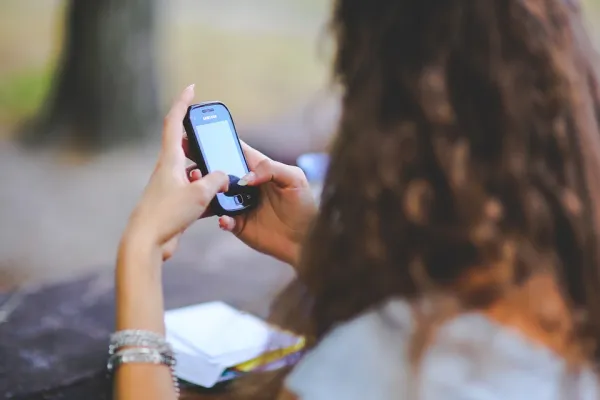
The latest generation has access to an unlimited supply of information at just the touch of a finger. However, recent studies show that young people have trouble evaluating the information they get. This lack of news literacy among the youth contributes to a bigger struggle that ourcountry has and poses a threat to an already unstable democracy.
In the growing age of technology, teenagers spend hours upon hours with their faces buried in their phones. Yet, while they are flipping through social media outlets or surfing the web, they are also actively consuming the news. According to a survey by Common Sense Media, 49 percent of kids get their news from online media. However, a 2016 study carried out by Stanford University shows that despite having so much information, the youth’s ability to reason about this information is “bleak.”
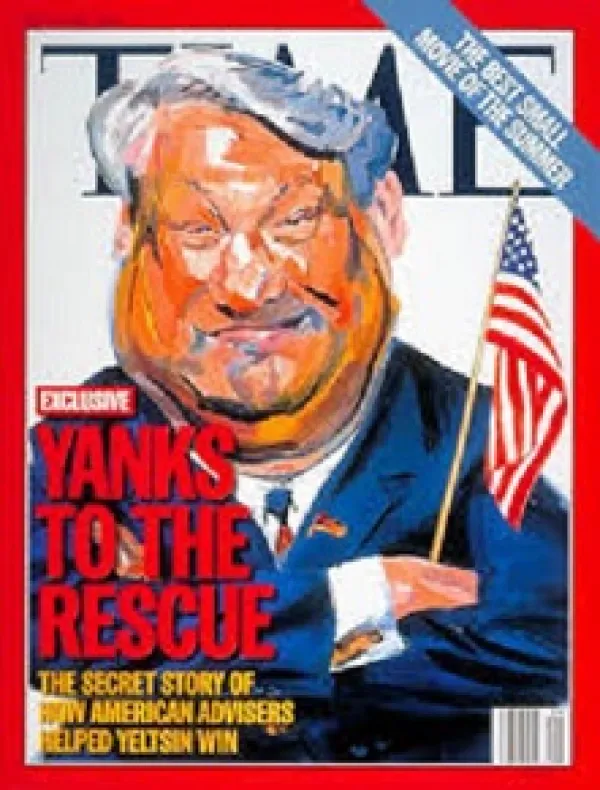
Why would Russia meddle in a U.S. presidential election? They were just returning the favor.
This Time magazine cover from July 15, 1996 documents it all. The United States bragged about helping rig the Russian presidential election that year, helping drunken authoritarian Boris Yeltsin remain in power.
How and why could this happen? A good place to start is the book Rewriting Russian History: Did Boris Yeltsin Steal the 1996 Election?
Yes he did. And the U.S. directly meddled in the election.
Yeltsin was much beloved by U.S. neo-cons because he allowed the massive expansion of NATO into the former Soviet bloc and U.S. and western corporations to control many Russian natural resources.
Going into his 1996 re-election campaign, Yeltsin’s poll numbers were worse than Trump’s and opinion said he was unelectable.
U.S. political operatives came to the rescue, many tied to former California governor Pete Wilson, becoming Yeltsin’s “secret campaign weapon,” according to Eleanor Randolph of the LA Times.
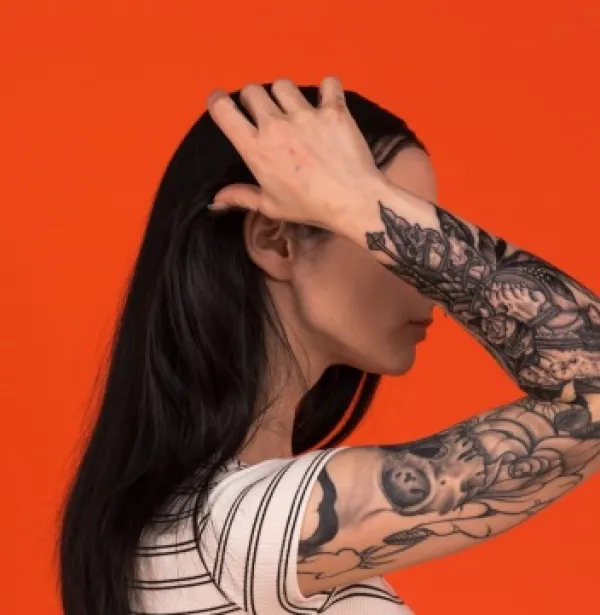
Bishops, the notorious unisex barbershop originally from Portland, OR is opening its first location in Columbus. By fostering a culture where people can be “different together”, the new shop will empower locals to act more boldly and feel more confident in their individuality. Accessible pricing and a sharp, unpretentious staff makes self care attainable at Bishops.
A victim is a person who suffers from a destructive or injurious action or agency. They may suffer from the dishonesty of others, or by some impersonal agency. Victimization, according to the dictionary, is “to single (someone) out for cruel or unjust treatment.”
As individuals, we can sometimes find ourselves, because of our personal beliefs, emotions or ignorance, becoming the perpetrator of our own victimization. Social media, in my opinion, has enabled individuals who tend to feel victimized by their family and society, with a powerful tool that will either help them overcome their victimization mentality or keep them feeling they are victims who will remain victims.
“During the lifetime of great revolutionaries, the oppressing classes constantly hounded them, received their theories with the most savage malice, the most furious hatred and the most unscrupulous campaigns of lies and slander.” - V. Lenin
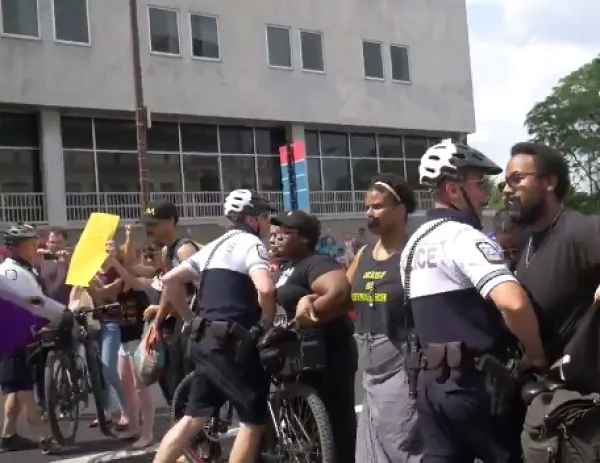
In the comments of the Columbus Underground article, the #BlackPride4 were called left-wing terrorists. I guess if the shoe fits, though anyone who would suggest that is clearly way too easily frightened, but when not busy terrorizing the sacred corporate fun that is Columbus Pride, they are also organizers, volunteers, lawyers, or in other words, exactly the kind of people that “should” be protesting. Their moniker is apt then, because for once in a long time, I am truly proud of Don’t Call It Arawak City.