Editorial
It is said that politics is a full contact sport and that Ohio is a battleground state. With Ohio politicians seemingly incapable of legitimizing medicinal cannabis while their power to do so is being usurped by “we the people,” it seems logical that this topic would ignite a heated debate. Such was the case at the ABC 6 Town Hall Meeting on Medicinal Marijuana held at the Columbus Museum of Art in the evening of Wednesday, February 19th. Perverbial fists and fingers flew.
Sparring partners included those representing the prohibitionist status quo who sat on the left side of a long table – Dr. Steve Matson, President of the Ohio Society of Addiction Medicine, and Marcie Seidel, the Executive Director of the Drug Free Action Alliance. And on right side, the voices for reason and reform belonged to Michael Revercomb, Vice President of Ohio NORML and John Pardee, President of the Ohio Rights Group. The ORG sponsors the Ohio Cannabis Rights Amendment, one subject of the debate.

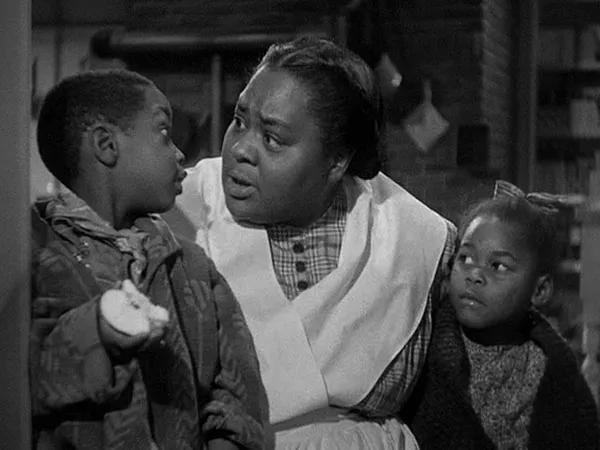
When I started to pay attention to the movies on the black and white television in our family room, I loved to watch the “silly” negro actors who occasionally showed up in the old black and white movies from the 1930s and 40s. At the time, as a young child, I liked them just as much as the “silly” white actors in the movies. The only difference that I saw in the acting of the comedians was that most of them were white, with the exception of the few black actors.
It wasn’t until I was older and my father began to teach me my Black and Cherokee history on his family side and my mother taught me my Black and “possibly” white history on her side that I realized that the negro actors that I had been watching, and laughing at, when I was a youth were wearing “blackface.”
That’s right! The black people who already had “brown skin” were forced to wear “blackface” in order to get a “part” in a movie or in the theatre. Let’s look at a few of the Black actors who had to play the “role” to get a part in the 1930s and 40s: