
Feature
Herbalists Without Borders Central Ohio (HWBCO) is a chapter of the international organization, Herbalists Without Borders and has a lot of ambitions for 2020, and it all builds on what we have created in the last two years: In late 2018, we created the chapter and found our core volunteers.
In 2019, we really started to shine- we started having regular clinic events and did outreach to gain more practitioners and volunteers. We hosted People’s Apothecary events (where people got herbal remedies and tonics on a donation basis), herb swaps (where people trade live plants, dried plants, and prepared medicines), medicine making events, and did plant walks, too. We did two months of sourcing donations and creating blessing bags for distribution (these are non-perishable items like socks, soap, diapers, toothbrushes, and menstrual supplies). We have had a regular monthly column in the Free Press and did some other media appearances as well. We have started to grow!

Consensus seems to hold that 2019 was a mixed bag: ground-breaking, positive change countered by frustration, gloom and doom, all peppered with more than a little bizarre. Let’s take a look:
The Awesome
Hemp, Hemp Hurray! Cannabis’ controversial cousin finally found fame. The 2018 Farm Bill, pet project of Senate Majority Leader Mitch McConnell, largely legalized marijuana, err hemp, and in July, motivated the Ohio Republican super majority to lock step their own long-awaited hemp bill. The legislation not only accorded Ohio farmers a profitable new crop (to soften the blow of Chinese tariffs), it also halted prosecution of low level possession offenses, or so said Ohio Attorney General Yost in August.

Does your city council, state legislator, or even your senator have an understanding of cybersecurity? What about all the people who work for them?
There’s a chance that the people running your local, state, and even federal government don’t share a core understanding of the principles of cybersecurity, and that’s not okay. Over the past decade, the private sector has made it clear that cybersecurity isn’t impossible when organizations are willing to invest money and human resources into the fight.
Government employees’ sense of security doesn’t just impact their ability to create and uphold regulations. It also impacts their ability to keep your data — and even your family — safe. Moreover, the people (their bosses) think it’s important. According to a survey completed at the 2018 Black Hat conference, 88% of people believe that all government officials need a core understanding of cybersecurity, whether they draft legislation or not.

Now that Thanksgiving is behind us, we now enter the finish line with the month of December. In the month of December, you see it all. Deck The Halls With Boughs of Holly. Jingle Bells. The barrage of Christmas-themed ads on television. The shopping malls stock full of customers shopping for loved ones, friends, and themselves.
However, not everyone is in the Christmas spirit. Not necessarily because they are the offspring of Ebenezer Scrooge. Perhaps the reason is because there are people out there do not celebrate Christmas, but another alternative holiday.
There are plenty of alternative holidays around, for those who aren’t into sneaking a kiss with their lover under the mistletoe, or the annual television airings of It’s A Wonderful Life and A Christmas Story.
There are a few alternative holiday celebrations in the Columbus area for those that celebrate Chanukah or Kwanzaa, which are the two biggest alternative holidays during the holiday season.

The holidays are filled with the spirit of giving, often with the intention of bringing joy to loved ones. The aroma of cinnamon, clove and holiday spices are fragrant reminders of the pivotal way that herbs have implanted themselves into human lives. One cannot experience traditional holiday festivities without finding elements of herbalism at play. Boughs of holly, pine, fir and rosemary are very common adornments used in decorating for the month of December, all of which can be used medicinally. In remembering that these tools have more to offer than ambience, it provides a window to see a bounty of gift opportunities for family, community and the self.
Some wonderful herbal gift ideas are teas/tisanes, essential oil infused bath salts, or healing salves. The multitude of gifts found within herbalism are not just about the item given. Looking beyond the surface, they can be a greater invitation to help people find healing, vitality, connection to surrounding life, and a newfound mindfulness of the body. When giving gifts with the intention of healing, doorways for connection are opened.

The past year marked many major milestones for marijuana. Michigan voters passed an adult use ballot measure in November 2018, with the first business licenses issued on December 1. In June, Illinois became the second Midwest state to go full legal, doing so via legislature. Federally, the U.S. House overwhelmingly passed the Safe Banking Act in September, the first step to opening this system to cannabusinesses. Then, just days ago, the Marijuana Opportunity, Reinvestment and Expungement (MORE) Act easily passed out of U.S. House Judiciary Committee and onto the House floor for a full vote. This groundbreaking legislation would remove cannabis from the Controlled Substances Act (CSA), require federal courts to expunge records for prior marijuana convictions and basically end the drug war.
The pillars of prohibition are crumbling.
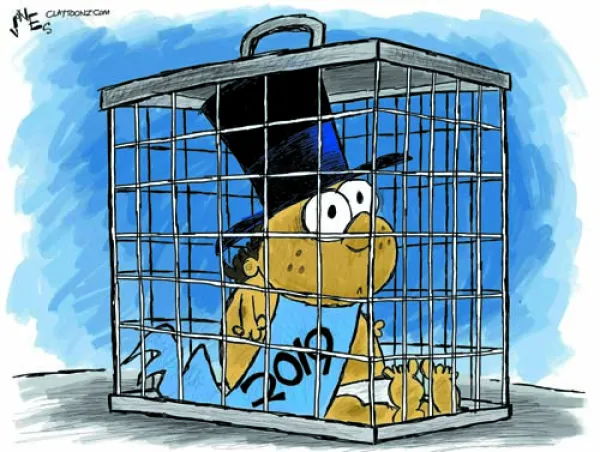
“Those who cannot remember the past are condemned to repeat it” stated George Santayana. We’ve heard this often the past three years, mostly in reference to the rise of Nazi Germany. The rigged U.S. election system and antiquated and undemocratic Electoral College system has produced the most “perfect” presidential pomposity in political history. The genocide is not as overt but getting closer as more immigrants are interned at our borders while their kids are stripped from their families and caged. We need to understand that all the horrendous draconian laws, corporate dominance, and wealth inequality we face now did not begin with Donald Trump. He is just the predictable outcome.
2020 is almost here. It’s not the end of the world as we know it, just the end of a dismal decade that continues its incremental climb to inverted fascism in the US. The planet is in peril.
“Those who cannot remember the past are condemned to repeat it” stated George Santayana. We’ve heard this often the past three years, mostly in reference to the rise of Nazi Germany. The rigged U.S. election system and antiquated and undemocratic Electoral College system has produced the most “perfect” presidential pomposity in political history. The genocide is not as overt but getting closer as more immigrants are interned at our borders while their kids are stripped from their families and caged. We need to understand that all the horrendous draconian laws, corporate dominance, and wealth inequality we face now did not begin with Donald Trump. He is just the predictable outcome.
2020 is almost here. It’s not the end of the world as we know it, just the end of a dismal decade that continues its incremental climb to inverted fascism in the US. The planet is in peril.
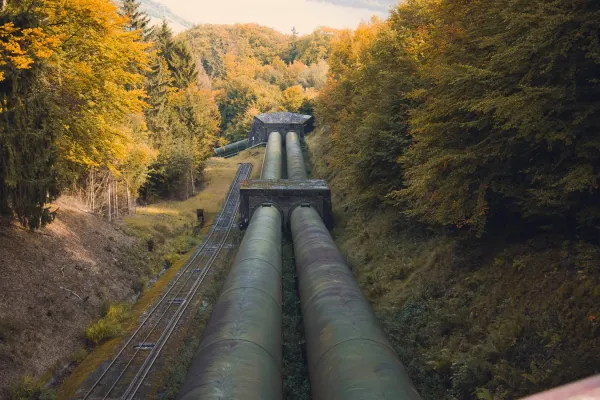
In many ways, the story of the Keystone XL pipeline project reads like a true crime novel. The project has a long, sordid history that’s rife with corruption.
The Keystone XL was first proposed in September 2008, as oil companies sought to transport more than 800,000 barrels of crude oil through Nebraska, South Dakota, and Montana every day. The Obama Administration repeatedly quashed the Keystone plans despite efforts to fast-track it, declaring that the project did not serve the national interest.

Each year, business magazine and research company, Corporate Knights, ranks the top 100 most sustainable corporationsin the world. Companies are ranked based on efforts to reduce carbon and waste, revenue generated from clean products, and overall sustainability. Top U.S. honors in 2019 go to notables such as Prologis, Inc. (real estate investment trusts), McCormick & Company (food and beverage production), and Cisco Systems (communication equipment).
What the list demonstrates is that the world’s leading corporations are actively pursuing tangible, sustainable business practices. Enterprises in nearly every industry are adopting initiatives such as reducing waste, preventing pollution, using clean energy, conserving water, switching to sustainable materials, and facilitating plant growth. The result: companies are sowing sustainable business seeds for the future.