
News

Ask many a problem gambler in Columbus, especially those who play video slot machines, and they’ll probably tell you this: “I hit big when Hollywood and Scioto Downs first opened, but I haven’t won big since.”
When the two casinos opened in 2012 it was a curiosity for many. Vegas-style gaming was now just a very, very short drive away. No longer did you have to cross state borders or fly to Nevada or New Jersey.
Six years later, here comes the (obvious) fallout from having a casino in your backyard: gambling addiction.
According to a study by WalletHub, a personal finance website, the state is tied for fourth with New Jersey for adults having a gambling problem. The factors weighed were the percentage of adults with gambling disorders, the number of gambling-addiction treatment programs, and the number of gambling-related arrests per 100,000 population.
Not surprising, Ohio is spending more and more to prevent and treat gambling addiction. For fiscal year 2015, the state spent $5.8 million to fight gambling problems, which is up from $4.5 million the previous year. This money comes from 2 percent share of taxes paid by the state’s four casinos.
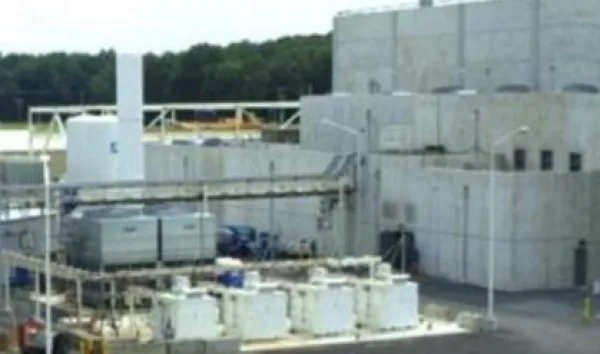
DEPARTMENT OF ENERGY AWARDS BONUS TO COMPANY FOR CLEANING UP ITS OWN MESS.
In December, 2016, the U.S. Department of Energy (DOE) awarded $3.82 million in "bonuses" to BWXT Conversion Services LLC, the company that operates the conversion facilities at the Nuclear Sites at Portsmouth, OH and Paducah, KY. According to the DOE, “Many activities relate to completing corrective actions and work to restart the conversion plants following the contractor’s suspension of operations due to safety and maintenance issues.” The DOE fails to note that BWXT is responsible for those very problems with safety and maintenance – and that the facilities have not been in operation for nearly 2 years. Operation of the facilities will be taken over by another company, Mid-America Conversion Services LLC, beginning this month, February 2017.

Like a flashback from a distant memory, an egg cracked into a frying pan. Ominous words followed, “This is your brain on drugs…” The replay of a bizarre commercial from the 1990s? No, it was the 21st Century iteration of the Partnership for a Drug Free America, once again smearing marijuana with “alternative facts”.
It is one of the ghosts of the past from which the present day resistance movement might take lessons.
The morning after the fall election, a host of progressive movements awoke in aftershock. Climate Change. LTBTQ. Black Lives Matter. Water Protectors. And numerous others. Groups like Muslim Americans and even reporters felt a heightened sense of trepidation as they found themselves in unexpected crosshairs. Others, like the women’s and environmental movements, which have enjoyed decades of progress, now shared the same heartache as their mothers and fathers in the 1960s and 1970s.
One social cause that has traveled this same rocky road is marijuana reform. For all that is new and frightening about Trump, this movement has been living with daily, for decades.
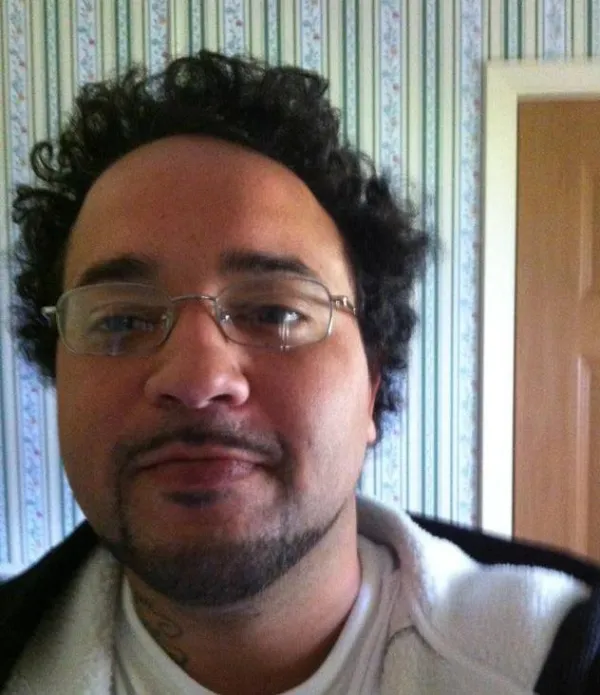
On January 14, 2017, 36-year-old Jaron Thomas called for help, as he had done several times before by the advice of mental health professionals. Jaron, diagnosed with schizophrenia, was struggling with hallucinations. He was a gifted hip-hop lyricist, having at one point worked with well-known artist Bizzy-Bone. He knew that he needed help and had calmly asked for a medic on the 911 call obtained by the family. He expected to be admitted for treatment, in his hometown of Columbus, but the response he received instead was from officers with the Columbus Police Department. It is unclear what transpired, but the result was inexplicable injuries and brain damage.
According to the family’s legal team Walton and Brown, LLP, “Several Columbus Police officers responded to the scene. Jaron was hospitalized with severe brain damage, head contusions, a blood clot near his sternum, at least one broken rib and other injuries.”
Surrounded by his close-knit family and a host of loved ones and friends, this loving father of three fought for his life. He lost the battle on January 23rd, roughly one week after his brutal and tragic encounter with police.
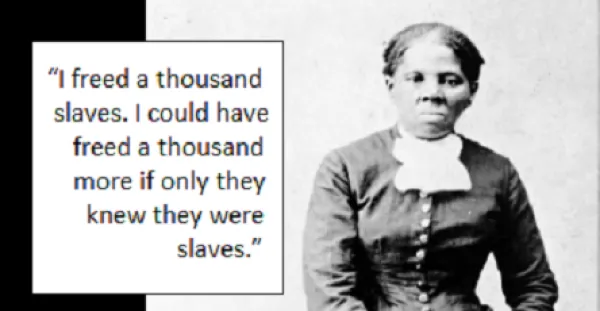
Columbus Oligarchy and Franklin County Democratic Politicians Defend Our Racially Biased System – Embracing Racial Superiority as “The Columbus Way”
In recognition of Black History Month, as Board Chair of The Columbus Free Press, I explore the racist origins and dubious legality of Columbus’s at-large system of electing its city council, in hopes of educating Columbus citizens about the current environment.
In August 2016, Columbus residents placed on a Special Election ballot a citizen-initiated proposal to change the form of our government from an at-large city council, where all council members are elected in citywide elections, to a form with a mix of council members elected at-large (three) and by district/ward (10). While the Columbus city charter has been amended over 70 times, each time the amendments have been requested by Columbus City Council. This marked the first time citizens had ever successfully placed a charter initiative of our own making on the ballot. And the vitriol of the ruling class to this display of citizen disobedience and imprudence came out immediately.
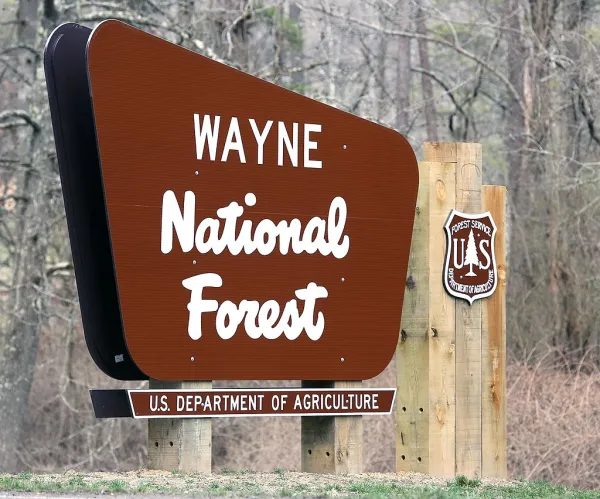
Conservation groups filed a notice of intent to sue the U.S. Forest Service, U.S. Bureau of Land Management and U.S. Fish and Wildlife Service over invalid and outdated Endangered Species Act approvals of oil and gas leasing plans for the Wayne National Forest. The Center for Biological Diversity, Ohio Environmental Council, Heartwood and Sierra Club are challenging the approvals for failing to consider the effects of fracking, white-nose syndrome and climate change on the endangered Indiana bat and other protected species threatened with extinction.
In December 2016 the BLM auctioned 719 acres of public land in the Wayne National Forest’s Marietta Unit in southeast Ohio, opening up the forest to large-scale, high-volume fracking of the Marcellus and Utica shales for the first time. The groups’ legal challenge aims to void this auction and halt fracking in the Wayne to protect the forest’s wildlife and water.
The groups assert fracking would industrialize Ohio’s only national forest, increase climate pollution, destroy the Indiana bat’s habitat, and risk contamination of water supplies that support endangered mussels and local communities.
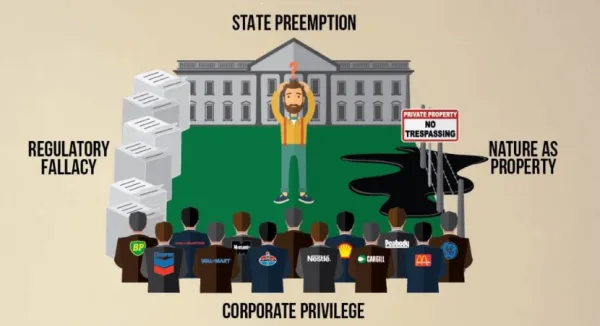
Many of us in Ohio were duped into voting against our own best interests on Election Day in November 2015. Issue 2 was presented by the 1% as an antimonopoly initiative, promising to protect We the People from monopolies, oligopolies, and cartels.
Who wouldn’t vote for that?
Some saw through the smoke screen and voted against it when they realized it was an attack on grassroots democracy. But the majority went to the polls and, lulled by the propaganda, voted to make statewide initiatives even more difficult for us to place on the ballot.
It wasn’t about stopping monopolies, oligopolies and cartels. It was about stopping us. It was about choking off citizen initiatives.
Tightening the Choke Hold


The resistance started January 20. Six citizen activists with Democracy Spring, AllofUs, and Americans Take Action disrupted Trump while he took the oath of office, standing on their chairs and revealing a single word spread across their clothing: R-E-S-I-S-T.
https://www.facebook.com/democracyspring/videos/618592765007396/

First published in The Progressive
As you ride the Amtrak along the Pacific coast between Los Angeles and San Diego, you pass the San Onofre nuclear power plant, home to three mammoth atomic reactors shut by citizen activism.
Framed by gorgeous sandy beaches and some of the best surf in California, the dead nukes stand in silent tribute to the popular demand for renewable energy. They attest to one of history’s most powerful and persistent nonviolent movements.
But 250 miles up the coast, two reactors still operate at Diablo Canyon, surrounded by a dozen earthquake faults. They’re less than seventy miles from the San Andreas, about half the distance of Fukushima from the quake line that destroyed it. Should any quakes strike while Diablo operates, the reactors could be reduced to rubble and the radioactive fallout would pour into Los Angeles.