
Politics
Mandating Peace Officers to Report Child Abuse and Neglect Just a Pen Stroke from Becoming State Law
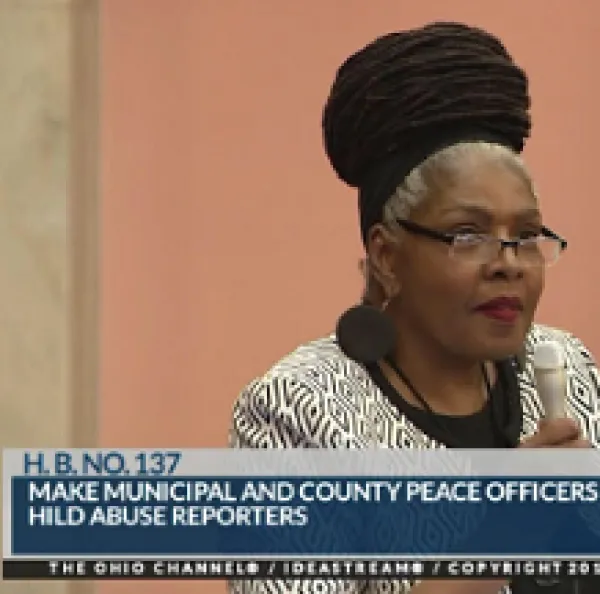
State Representative Bernadine Kennedy Kent’s House Bill 137 that passed through the House unanimously and the amended version passed through the Senate 78 to two, now heads to the desk of Governor John Kasich for his signature. Ohio’s children will now have an added layer of protection, and Ohio will now join the rest of the nation’s states in making peace officers mandated reporters of child abuse and neglect.
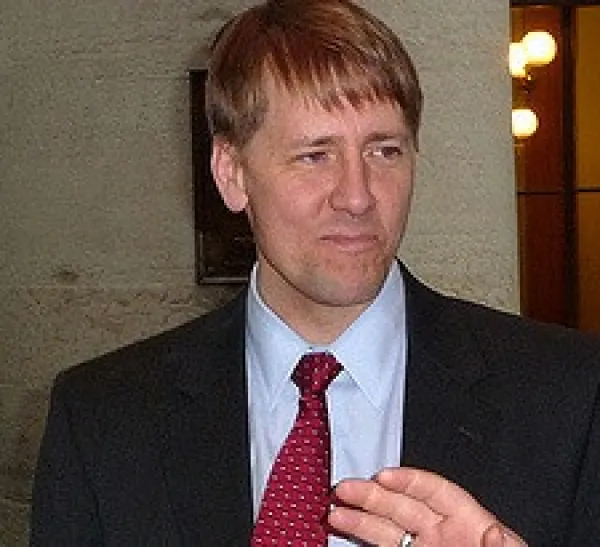
It was not Donald Trump who did in Ohio Democrats on November 6th.
Ohio has not turned Republican.
It was Richard Cordray's fault.
The Ohio Democratic Party's opportunity to take power in 2018 depended on gubernatorial nominee Cordray convincing the voters, especially rural ones, that change was in order because of Republican Party corruption in state government.
This seemed eminently doable based on the ECOT scandal with $180 million lost and the wrongdoing in state government headlined by the resignation of the House Speaker.
Unfortunately, Cordray, his running mate Betty Sutton, and their four ticket mates Steve Dettelbach, Kathleen Clyde, Zack Space and Rob Richardson failed individually and collectively to make the case that their opponents in particular, and the GOP in general, had profoundly failed Ohioans and deserved to be defeated. Cordray, Dettelbach, Clyde and Space all lost by about 4 percent, Richardson by 7 percent.
Twelve years ago, Ted Strickland and company hung the Coingate scandal around the necks of the GOP and took four of five state offices.
As you may have heard, AEP has proposed 900 megawatts (MW) of new renewable energy installations in Ohio -- 400 MW of that will be solar energy, which is enough to power about half the homes in Cincinnati.
Submit a comment today in support of AEP's new renewable energy proposal!
Submit a Comment in Support of AEP's Clean Energy Projects!
AEP's proposed projects would lower our bills over the long-term, help reduce pollution, and bring much needed jobs to Ohio, especially areas that have faced tough economic times, like Appalachian Ohio. But first, the Public Utilities Commission of Ohio (PUCO) needs to approve AEP's proposals. You can help make that happen! The PUCO is accepting public comments on AEP's proposed renewables projects and a strong showing of public support will help the projects get approved.
A host of voter suppression and voter purging strategies serendipitously put into play by Republican state super-majorities could derail any hopes of a Blue Wave.
Since 2008, 23 states passed legislation that puts tougher restrictions on voting, such as stricter voter ID laws and more aggressive voter purge requirements, this according to the Brennan Center for Justice.
We at the Free Press say these Republican strategies were inspired by their disbelief an African-American could ever (or should ever) win the White House.
In Wisconsin, for instance, a stricter voter ID law convinced thousands of urban voters to forego the 2016 election because they believed they did not have qualifying ID when in fact they did. Trump won Wisconsin by 22,000 votes.
First of all, if you are reading this you are not a dummy. However, you are most certainly considered to be a dummy by anyone who fits the psychological profile called the “malignant narcissist.” My intent is to describe this entity for people who are not physicians.
The psychiatric literature has recognized the term malignant narcissist for over 50 years. The diagnosis rests on the person’s main thought process: ” I am superior to everyone else and incapable of being wrong”. This simple point explains why they do not ever feel shame, and why they strongly dislike reality as facts interfere with their perception of superiority over everyone else. The opposite side of this coin is that they will 100% of the time strongly attack anyone who questions their superiority and get much enjoyment from exploiting others as this reinforces their perceived superiority.

"Dave Yost was a ghost when Ohio needed him most."
If I were creating slogans for Democrat Steve Dettelbach's campaign for Ohio attorney general, I would have put the one above on television starting on Oct. 31.
Launching the ads on Halloween would have been perfect because Republican Dave Yost as attorney general would be downright scary for Ohio taxpayers.
I would include ghastly sound effects while showing an Avenger-like Dettelbach character removing the cowering Yost ghost from the Statehouse/ECOT castle and tossing him into a dungeon with some dubious characters who resemble the Cuyahoga County crooks that Dettelbach convicted as U.S. attorney.
The ad would end with "that's scary" to depict the prospect of Yost as AG.
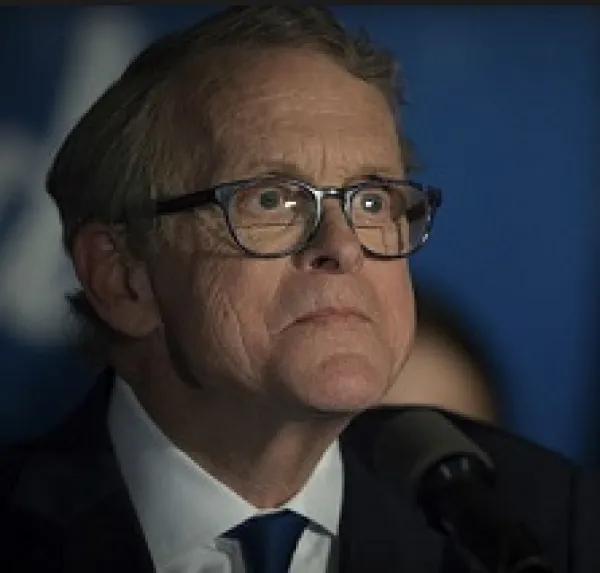
Heading into October the race for governor is by most accounts tighter than expected even though many pundits figured Ohio was continuing to trend red. Earlier this summer, polls had Democrat Richard Cordray leading Republican Mike DeWine. Of late, some polls show a dead heat or DeWine with a small lead.
Cordray is a relative unknown, but may have a chance, as Danny O’Connor did this past August in the special election. Cordray is probably best known for directing the Consumer Financial Protection Bureau during President Obama’s second term.
DeWine, on the other hand, is essentially the incumbent if you take Gov. John Kasich into account, says Cordray press secretary Mike Gwin.
“Mike DeWine has spent decades in Congress and in Columbus supporting policies that favor the wealthy, health insurers, and big drug companies, but hurt middle class Ohioans,” said Gwin to the Free Press. “After 42 years in politics, voters shouldn’t expect anything different from DeWine as governor.”
But the Cordray campaign, along with many others, are keeping a close-eye on who DeWine will embrace more as November 6th nears.

To remedy a broken campaign finance system, the 2016 Democratic Party Platform advocates a number of reforms, including ending “secret, unaccountable money in politics by requiring . . . significantly more disclosure and transparency.”
In recent years, however, information has come out indicating Ohio Democratic leaders at the state level and in Columbus have acted to conceal sources of campaign funds. The undisclosed contributors received substantial benefits from Democratic elected officials.
As for Republican leaders, they’ve been no better on the problem of hidden donors.
Alleged concealment of donors supporting Richard Cordray, Kevin Boyce and David Pepper in 2010
In 2016 the law firm BakerHostetler issued a state-commissioned investigation report on the crimes of former deputy treasurer of state Amer Ahmad, who is serving 15 years in federal prison. From 2009 to 2010, Ahmad orchestrated the largest bribery and kickback scheme in the state government’s history.
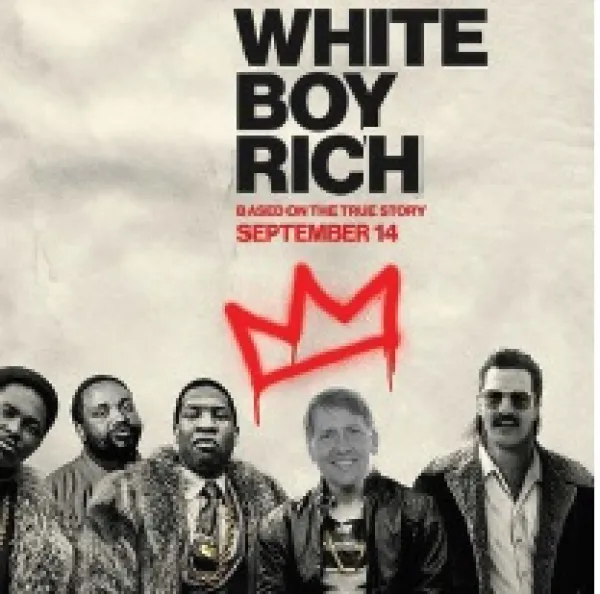
White Boy Rich
Now it all makes sense. In 1992 I ran against John Kasich in Ohio’s 12th Congressional District. Everyone told me Kasich liked to smoke a little dope, and later Roger Stone would finger him as the man who was kicked out of the 1976 Reagan campaign for selling pot to the field staff.
Also running that year was Richard Cordray. You wouldn’t think about approaching Rich for a blunt, let alone a three-finger lid of primo bud.
But apparently I had it all wrong.
Ohio Attorney General and Republican governor wannabe Mike DeWine set me straight. Heretofore I will only call Richard Cordray by his street name – White Boy Rich.
This is what I learned from a DeWine commercial. Cordray, raised on the mean streets of Grove City, headed a huge cartel beginning at Grove City High School. White Boy Rich was smart enough to throw the DEA off his trail by joining the high school quiz team and working a minimum wage job at Mickey-D’s. All the time, building his southside suburban drug empire.