
Local
Part One
Less than two months ago, pushed by two friends who read my essays, I published “Why I remain in Columbus despite Columbus. . . .” (Busting Myths, Columbus Free Press, Sept. 16, 2022). Events during the past month have me seriously reconsidering that judgement.
I voice my heightened doubts in this essay. The factors driving my self-reflections, in a few words, are: major officials of the City of Columbus, Ohio elected and appointed, knowingly violate the letter of the law and regularly mislead the city’s residents among the contents of their actions including City Council proposals and initiatives put to the public.
If that were not enough, the beleaguered Columbus Police Department (CPD), materially weakened by leading elected officials, and rudderless, does not enforce the law. Officers admit this to me, that is, when they don’t dismiss my documented complaints on false grounds.
Fundamentally, residents who don’t work for the City, or live in the Short North, have no rights in Columbus, Ohio.
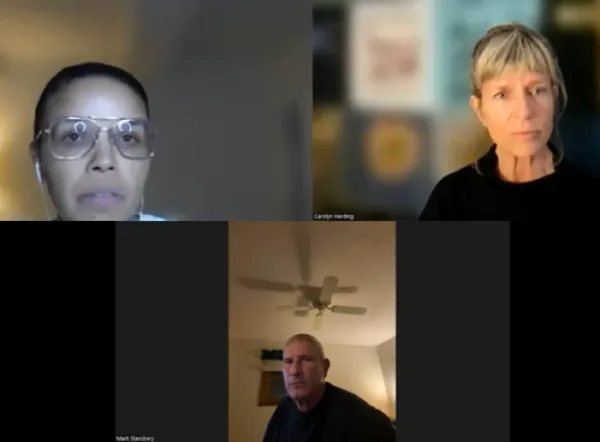
The theme of the salon was “The Impact of the 2022 Elections: Local, National and International.” It was available live on Zoom and Facebook Live.

Ohio Green Party New Member Orientation
Sunday, November 13, 8:30pm, this event will be occurring via “Facebook Live”
Come join the Ohio Green Party as we lead an online session on an introduction to Green politics!
We will begin conducting political education sessions once a month to let Party members know the basic values of the Green Party and where we stand on the issues. These sessions will be held online and can be taken from anywhere. You do not have to be an Ohio Green Party member to attend, but new members are encouraged to take part.
This event will also be occurring via “Facebook Live.”
Hosted by Ohio Green Party.
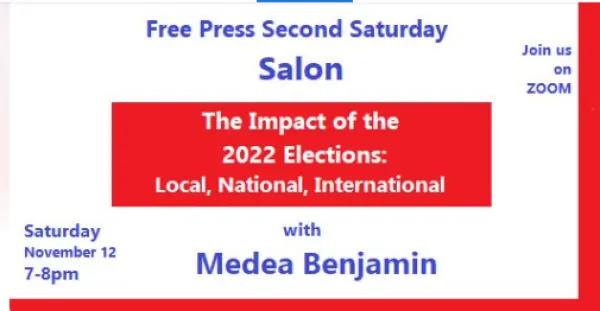
Saturday, November 12, 7pm
Zoom
Facebook Event
Theme:
The Impact of the 2022 Elections: Local, National and International
Join Zoom Meeting
https://us02web.zoom.us/j/83906590837
Meeting ID: 839 06
Let's gather for a couple hours on the second Saturday night of each month from 7-8:00pm Eastern Time on Zoom.
Featuring
Medea Benjamin of Code Pink
Morgan Harper, Columbus Stand Up
Carolyn Harding, Columbus Community Bill of Rights
Lynn Tramonte, Ohio Immigrant Alliance
If you have any announcements for the
progressive community, contact us:
colsfreepress@gmail.com
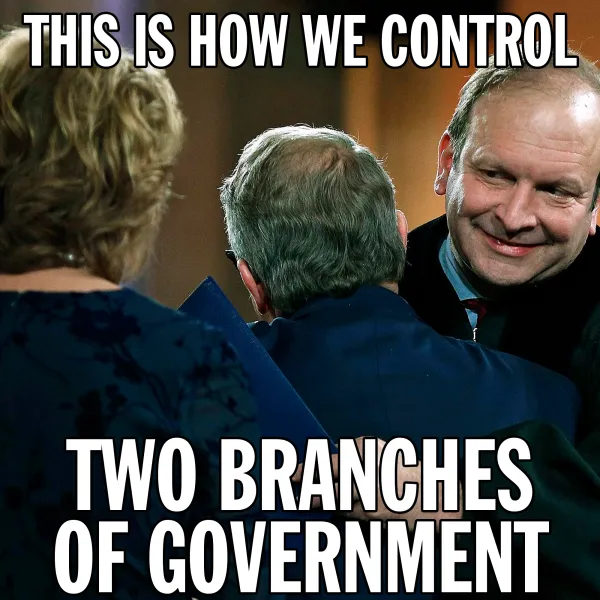
Homebound Entrepreneurs Against DeWines laments Election Day victories by Mike and Pat DeWine, plans to stay active during their second terms
As the general election season finally wraps up, the anti-DeWine PAC Homebound Entrepreneurs Against DeWines has announced that while they lament the recent victories of Governor Mike DeWine and his son –– Ohio Supreme Court Justice Pat DeWine –– the group has vowed to keep holding the DeWines accountable.
With just around $3,000, the PAC’s quirky content reached hundreds of thousands of voters during the course of Ohio’s primary and general elections this year. Its ads were seen by over 4,000 Fox News viewers, 30,000 YouTube users and heard by over 40,000 talk radio listeners, all while its online content reached over 34,000 people on Facebook and over 312,000 on Twitter.
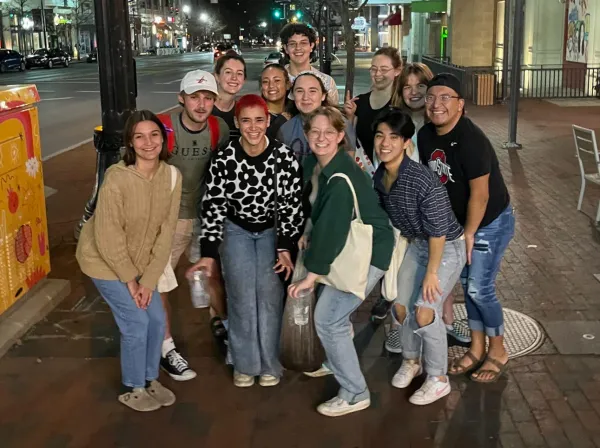
Early Monday morning, the hourly workers at Starbucks, located at 1784 North High St., petitioned the National Labor Relations Board (NLRB) for an election and demanded union recognition from CEO Howard Schultz and local management. An overwhelming majority of workers at the store signed union authorization cards and a petition demanding union recognition.
These baristas are the third in Columbus and the ninth in Ohio to join the Starbucks Workers United movement that has swept across the country. Workers at the international coffee chain have filed for elections at hundreds of locations across the country and have won representation in over two hundred and fifty of them.
These coffee workers join with their union siblings downtown at the 88 Broad St. location and in Westerville at the South State St. store in demanding dignity, respect and improvements at their workplace. This petition highlights the growth of the movement in the Midwest, where union density among Starbucks shops in Ohio, Michigan and Illinois grows to rival the spread of the campaign in the company’s historic strongholds of Seattle and New York.
NORML Appalachia of Ohio and Sensible Movement Coalition added Corning, Kent, Laurelville, Rushville & Shawnee to the list of Sensible Cities in Ohio. This makes a total of 36 communities including Toledo, Dayton, Cincinnati, Columbus, and Cleveland. With these communities no longer tied to archaic Marijuana Laws, local law enforcement can now concentrate on legitimate criminal concerns.
Don Keeney, Executive Director from NORML Appalachia of Ohio stated, “another election cycle, where Ohioians exercise their right to Home Rule. It’s a great feeling to guide them on a true path of democracy, the way it was intended. We’re seven years into the process and close to three million citizens, in 36 cities, towns & villages have been freed from Ohio’s oppressive laws. We will continue with our goals, one community at a time.”
Any citizen of Ohio can initiate the process of placing the Sensible Marihuana Initiative on the Ballot, in their community, by simply contacting NORML Appalachia of Ohio.
Joe Motil, former Columbus City Council candidate and longtime community advocate who is circulating petitions to run for Mayor in the 2023 May primary election states, “I wish to congratulate Columbus City Councilwoman Elizabeth Brown on her appointment as President and CEO of the YWCA. And I also want to thank her for occasionally displaying a much-needed independent voice on City Council. If elected as mayor of Columbus I would have enjoyed working with her.”
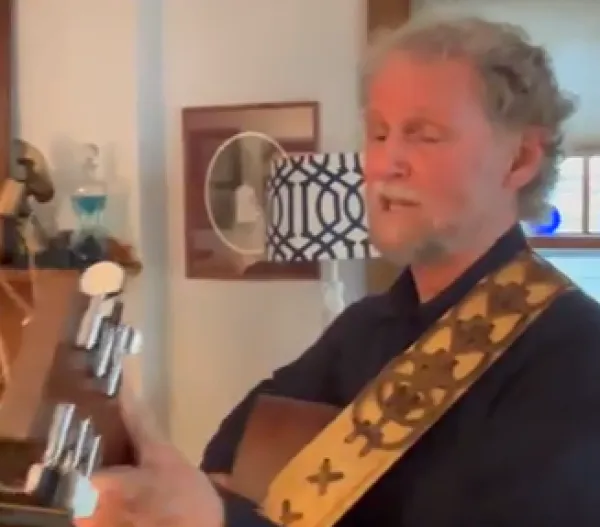
Friday, November 11, 2022, 7:30 PM
Civil rights sit-ins. Bell-bottoms. Anti-war marches. Student Power. Afros. Miniskirts. Hippies. Riots. Space flights. The generation gap. Those hallmarks of the turbulent 1960’s will be rekindled at this year’s annual “Spirit of the ‘60’s Coffeehouse.”
Bill Cohen will lead a candlelit, musical, year-by-year journey through the era, with live and familiar 1960’s folksongs, “news reports” of sixties happenings, displays of anti-war buttons and posters, fun trivia questions, and far-out sixties fashions. Proceeds from the suggested $15 donations (at the door) will go to the Mid-Ohio Food Collective. The show begins at 7:30 p.m. in the church basement, but get there early for a good seat. The program is suitable for ADULTS and MATURE TEENS.
Location: King Avenue Methodist Church, 299 W. King at Neil. Free parking is also available in the lots just South and West of the church.
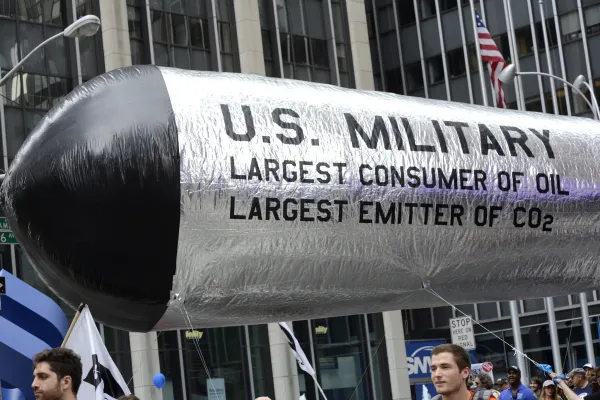
Remarks from this webinar.
Sometimes just for fun I try to figure out what I’m supposed to believe. I’m definitely supposed to believe that I can choose what to believe based on what pleases me. But I’m also supposed to believe that I have a duty to believe the right things. I think I’m supposed to believe the following: The greatest danger in the world is the wrong political party in the nation I live in. The second greatest threat to the world is Vladimir Putin. The third greatest threat to the world is global warming, but it’s being dealt with by educators and recycling trucks and humanitarian entrepreneurs and dedicated scientists and voters. One thing that’s not a serious threat at all is nuclear war, because that danger was switched off some 30 years ago. Putin might be the second greatest threat on Earth but it’s not a nuclear threat, it’s a threat to censor your social media accounts and restrict LGBTQ rights and limit your shopping options.