
Local

In 2020’s Promising Young Woman, Carey Mulligan plays a woman whose life has been forever changed by a sexual assault—a sexual assault that happened not to her, but to a friend who was too incapacitated to give consent.
In Test Pattern, Brittany S. Hall plays a woman who actually falls victim to such an assault after she’s been numbed by alcohol and drugs. But compared to its predecessor, the new film takes a less direct and more complicated approach to the subject. Rather than focus solely on sexual politics, writer-director Shatara Michelle Ford branches out into other areas, including the unmapped intersection of race and romance.
It’s a sign of the film’s multifaceted concerns that the assault doesn’t happen until well into its brief running time. Until then, Ford concentrates on developing the relationship between Renesha (Hall), a young Black executive living in Austin, and Evan (Will Brill), a White tattoo artist.

Who: Columbus Stand Up!, healthcare professionals, and members of the Central Ohio community
What: A facilitated conversation about COVID 19
Where: Mobilize Event here.
When: Tuesday, March 2nd, 7 PM
Columbus Stand UP! is hosting a community conversation around COVID 19 and its impacts on Central Ohioans. This will be a space where residents can ask healthcare professionals any questions they may have about the vaccine. In addition to hosting the forum, CSU has been working to ensure those who are currently eligible for the vaccine can easily get to their appointments through its rideshare program, which was first launched last year and drove hundreds of voters to the polls during the 2020 elections.
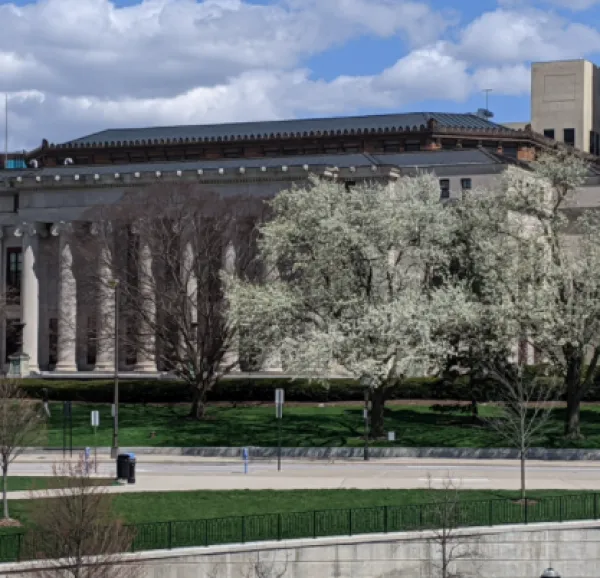
Joe Motil, former Columbus City Council candidate and longtime outspoken critic of Mayor Ginther and City Council’s blanket tax abatement policies once again criticized the Mayor and City Council for defunding public education and denying social and economic opportunity for the citizens of Columbus.
The Street Medic and the Mayor: Federal protester trial recounts desperation to put out raging fires
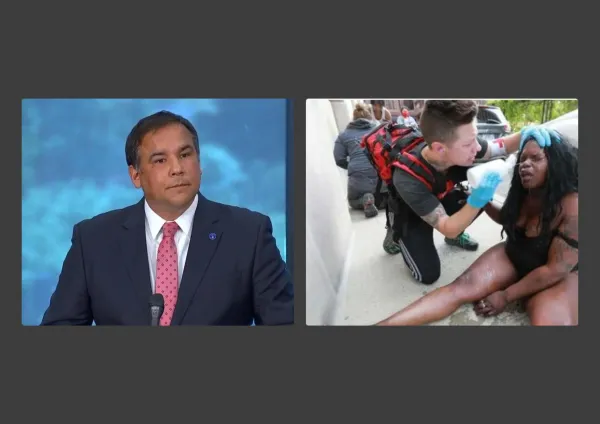
A street medic and Mayor Ginther testified Friday, February 26, in the federal protester civil rights suit against the City of Columbus and both recounted a similar storyline: their desperate attempt to put out a raging fire. For the street medic it was the wrath of the Columbus Division of Police inflicted on protesters, and for the Mayor, his effort to rein in what many believe is the long-time rogue Columbus Division of Police.
For the second time in the trial’s first weekGinther was questioned for roughly two hours saying George Floyd’s death was a “modern-day lynching” which reinforced his “commitment to reform the Columbus Division of Police and policing in general.”
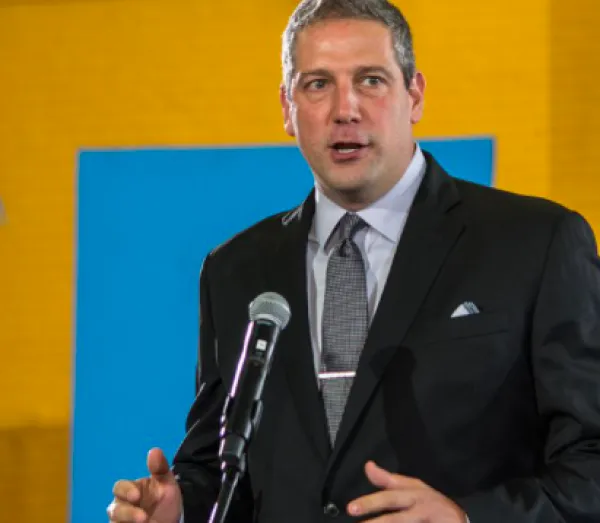
Letters, I write letters ...
Dear Liz Walters, Ohio Democratic Party Chair:
You've been in office for more than a month now and nothing is happening.
Oh, you're meeting with loyal Democrats, reaching out to the 88 counties, trying to be inclusive and all that, but nothing is happening. If you had a blueprint of how you are going to revitalize the moribund party in your back pocket, it is time take it out, read it aloud and start leading.
I know you have been dealt a bad hand, but time is wasting.
You got a break with Republican Senator Rob Portman said he would not run for re-election in 2022. It is easier to beat a non-incumbent even in red Ohio.
Okay, I understand the finances of the party are shaky, but that is what the phone is made for: to call donors and get them to ante up. The big unions who paved the way for your ascension to the throne should be writing big checks. Your sponsor U.S. Sen. Sherrod Brown should be pitching in to fill the coffers.
Saturday, February 27, 2021, 4:00 PM
The Sanctions Kill coalition created a new toolkit that anyone can use to educate their organization, group or community about what economic sanctions are, the impact they have, why they are illegal and how they also hurt people in the United States. The toolkit is composed of a 20-minute slideshow, a sample script and resources. You are invited to a webinar to learn more about the toolkit, hear a sample presentation and ask questions. This is led by members of groups in the Sanctions Kill coalition. All who are interested are welcome. Please spread the word. Register here.
TELL THE NEW U.S. ADMINISTRATION TO END ECONOMIC SANCTIONS IN THE FACE OF THE GLOBAL COVID-19 PANDEMIC
Click here to sign the petition
Thursday, February 25, 2021, 7:00 - 8:00 PM
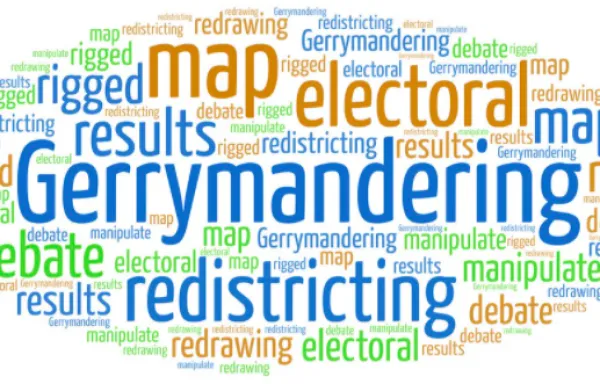
Learn about the recent history of gerrymandering in Ohio, its consequences, the subsequent citizen uproar, and the reforms that Ohioans overwhelmingly passed in 2018. This session will also provide relevant dates and information on how individuals may help design Ohio's new district map. Guest Speaker: Catherine Turcer, Executive Director, Common Cause of Ohio. MoveToAmend Website. Register here.
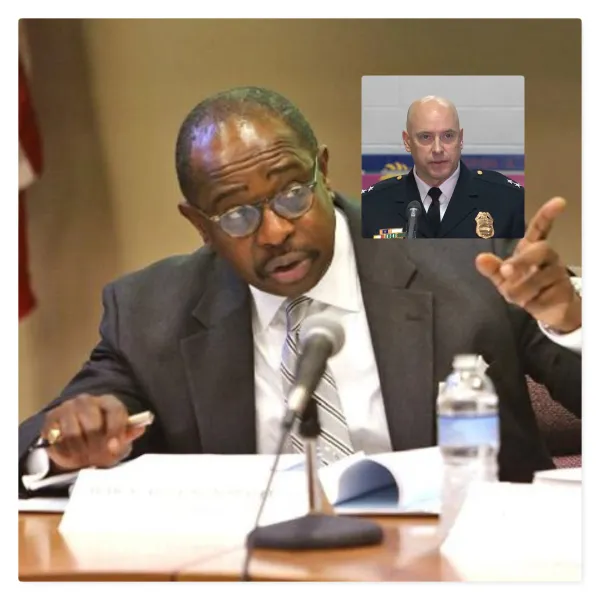
“As a fact finder I need to know answers to some of these questions. It’s not going to be sufficient for you today to simply say, ‘somebody else is investigating, I can’t comment.’ Yes you can comment and yes you must,” said Judge Alegon L. Marbley during Wednesday’s (Feb. 24th) hearing.
Attorneys representing protesters in the federal protester lawsuit Alsaada et. Al. vs. City of Columbus questioned former Chief Thomas Quinlan on Wednesday for several hours, asking him who had made final decisions on pepper spraying and firing wooden bullets at protesters during the early days of George Floyd protests downtown.
The lawsuit charges that ineffective training and vague policies resulted in many individual officers to go rogue against mostly peaceful protesters who had the right to assemble and express free speech.
The suit also claims Chief Quinlan failed to offer meaningful orders against using excessive force before the protests and failed to stop the use of excessive force as the protests continued.