
Local
Saturday, December 26, 5pm
Brentnell Recreation Center, 1280 Brentnell Ave.
The family of Andre Hill and National Civil Rights Attorney Ben Crump will host a press conference and community rally to demand justice for Andre Hill. Followed by a candlelight vigil to celebrate his life.
#JusticeforAndreHill

Many families and workplaces are celebrating holiday gatherings through videoconference as COVID-19 shelter-in-place orders continue—including finding ways to share festive dinners, or passing the time drinking with friends online.
As suggested by the MuseumHack blog, many companies will be hosting virtual Christmas parties online reimbursing employees for a meal of their choosing, or sending credits for services like GrubHub, or DoorDash that provide delivery of takeaway meals, or more synchronized meals from HelloFresh, BlueApron, or Cratejoy.
Also, we could see more companies like Hire Space, based in the United Kingdom, which offer packaged experiences including a digital platform with themed break out rooms that guests can move in and out of complete with pre-ordered meals, drinks and deserts.
But many families may prefer videoconferencing with home cooked meals. With less family members eating together in one home, each meal prepared will likely be less extravagant than traditional meals.
Wednesday, December 23, 2020, 7:00 PM
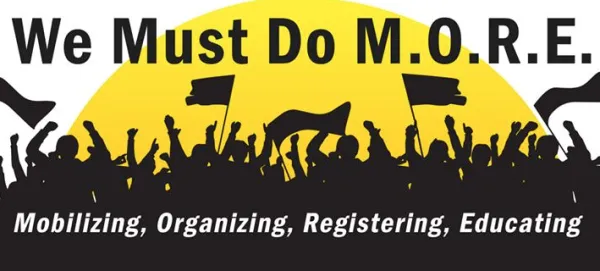
Our Meet & Build - Let's meet and build community! Don't worry if you are late or have to leave early. Just come and hang out! Get to know fellow OHPPC Family. Register here.
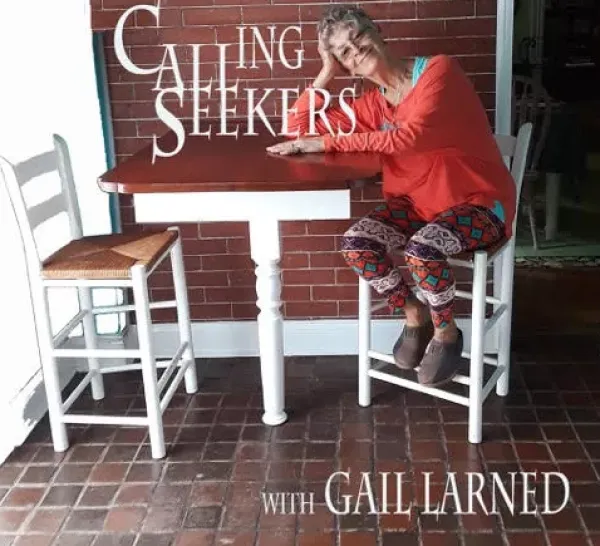
Here we are, on the cusp of 2021. Thank the Goddess. COVID has been dominating our lives since March. We all know someone who has died because of the pandemic. It has changed our lives in ways we don’t even know yet. It has been devastating for the whole world!
And then there’s DT, our drama queen of a president. He is acting like the man-child he is, resisting reality and stoking the fires of division to save his own ass. He continues to hold “super-spreader events,” not wearing a mask or encouraging his followers to wear them. He is in denial about the results of the election. He’s never been told “no” and he’s never lost anything. He’s acting out like the spoiled child he is, refusing to concede the election. All of this is very alarming and stressful. What are we to do?
The Law of Attraction says “That which is like onto itself is drawn.” In other words, “what we resist, persists.” What we are fearful of is drawn towards us and what we celebrate is also drawn to us. We are the creators of our lives with our thoughts.
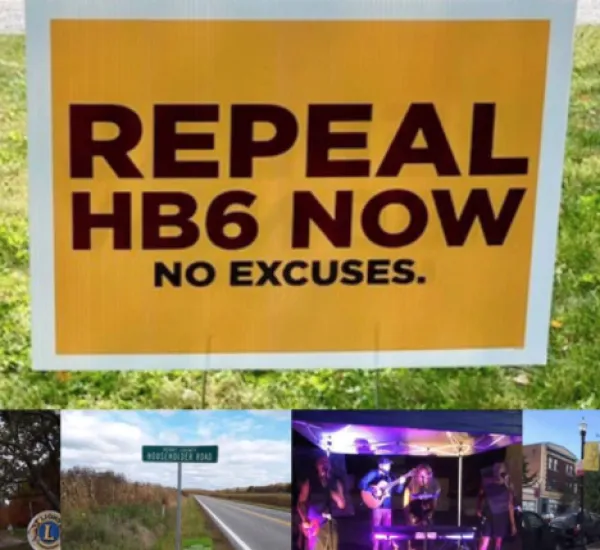
Tuesday, December 22, 12noon
Ohio Stateshouse
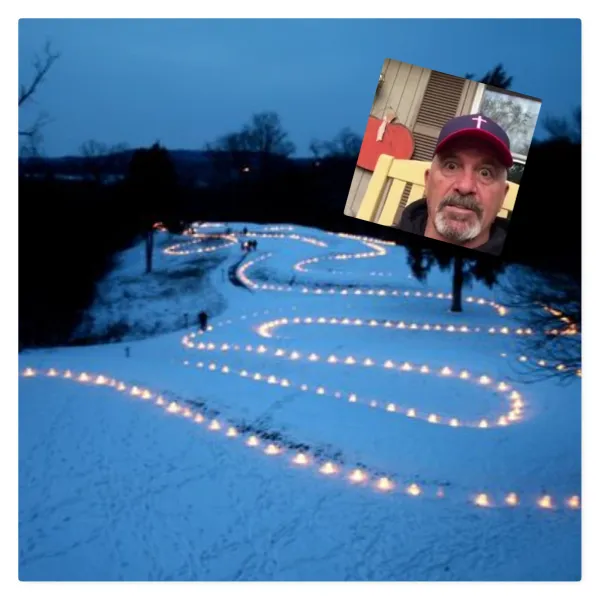
A fundamentalist Christian church from Hebron (Ohio) with a history of stirring up trouble and worshiping Trump converged on Serpent Mound over the weekend to protest its annual Winter Solstice celebration, seeking to “pray down” the “demon” pagans who gather at the effigy mound.
Hard to fathom it could get any more embarrassing for the state of Ohio, but the church group ended up confronting several Native Americans in attendance, telling them “this land will be taken in the name of Jesus.”
In a video circulated by the evangelicals, American Indian Movement of Ohio director Phillip Yenyo responded, saying, “This land was already taken a long time ago. You people keep taking it.”
Yenyo tried to block them from getting close to Serpent Mound, but the large church group forced their way to North America’s most recognizable effigy mound where they walked on the mound – a terrible insult to Native Americans, akin to someone stomping on your relatives’ graves.
Serpent Mound was built by Native Americans anywhere from 15,000 to 2,000 years ago say experts who still differ on what culture built it and for what purpose.
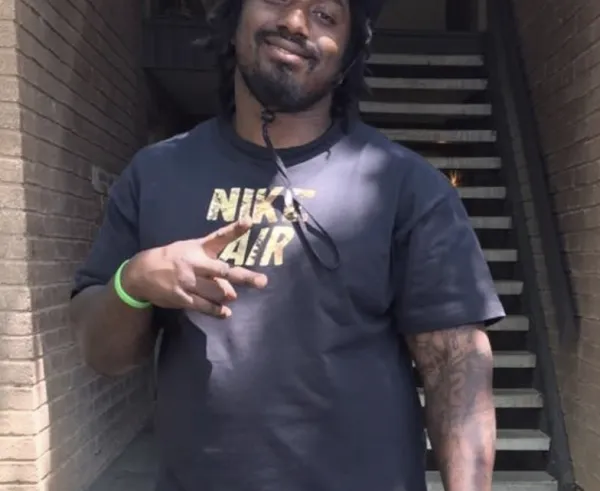
The Columbus immigrant who is a key witness in a federal civil rights suit alleging excessive force by corrections officers at the notorious Butler County jail was indeed deported back to his native Africa even though a federal judge had ruled U.S. Immigration and Customs Enforcement (ICE)to keep him in America.
Mory Keita, a 34-year-old long-time Columbus resident and father to a three-year-old daughter, had been detained at the ICE-contracted jail just north of Cincinnati and set to testify against corrections officers accused of beating and verbally abusing African and Muslim detainees. One allegation says a detainee in September was thrown down a stairs by a corrections officer who said, “I hope you die bitch.”
“Mory is a first-hand witness to two brutal assaults against other African men detained for ICE in the Butler County jail. It’s no wonder ICE wants to disappear and silence him,” says Ohio Immigrant Alliance director Lynn Tramonte who has an uncanny ability of getting information out of Ohio’s ICE-contracted jails.

Following Donald Trump’s triumph in the 2016 election, Ohio writer Jef Benedetti asked a disturbing but not impossible question: What if the two major political parties were colluding to keep power at the top while keeping the rest of the country divided? What if the divisive Trump administration was intentionally manufactured?
Benedetti captures all of this in a political thriller called The Exercise. You might want to read the non-fiction book Disloyal by Michael Cohen at the same time.
The story is set in Philadelphia, with intrigue, sex, murder, and power struggles aplenty. Part of The Exercise outlines how the two major parties select highly emotional so-called “wedge issues” to control the voting masses.
When the book was released a few years back, Benedetti stated: “The press in general is the only reliable conduit of information about our government for the citizenry and others living in the U.S. Benedetti points out that it is no coincidence “a story like The Exercise therefore could have had only one hero: a reporter.”
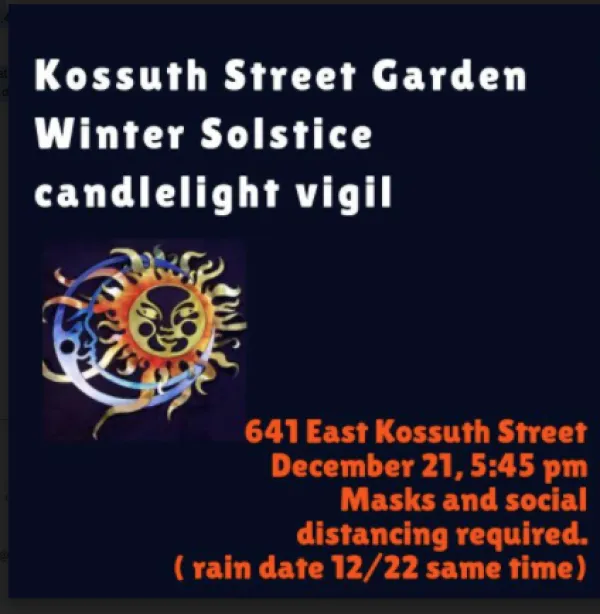
Monday, December 21 - Winter Solstice - 5:45-6:45pm
Kossuth Street Community Garden, 641 E Kossuth St.
The Winter Solstice is the largest event on the Inuit calendar as they celebrate "The Return of the Sun". We will light 200 candles with holders and luminaries so we can honor those we've lost this year and to appreciate the front liners and all of those who heeded "the better angels of our nature" this year and are intrinsically helpful heroes of our community.
The candles will be on the ground for easy pick up but we do ask folks to bring their own lighters for safety. Masks and social distancing are required. Hand sanitizers will be plentiful.
If weather is inclement, our rain date is the same time on 12/22/2020.