
Local
I’ll never forget the first time I was warned that COVID-19 might disrupt our lives. It was early March, and I was meeting with other board members of a local social-dance group. On the agenda was the question of whether we would soon need to cancel our events to keep our dancers safe.
Naively, I doubted it would come to that, reasoning that U.S. health authorities would be able to control the outbreak since they could learn from China’s experiences. That, of course, turned out to be disastrously wrong. Instead, President Donald J. Trump and the rest of the government totally botched the country’s pandemic response.
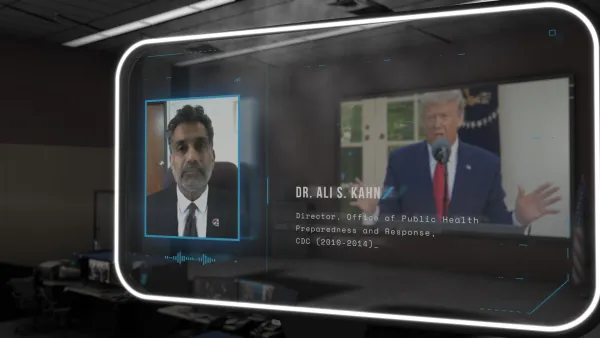
If you still have any doubts about that, you might want to set aside an hour to watch The Curve. Written and directed by Adam Benzine and bankrolled through crowdfunding, the documentary is a step-by-step explanation of just what went wrong.

Friday, October 30, 2020, 10:00 AM – 12:00 PM
Through October 31
Sean Christopher Gallery Ohio, 815 N. High St. Suite H & N, Columbus, Ohio
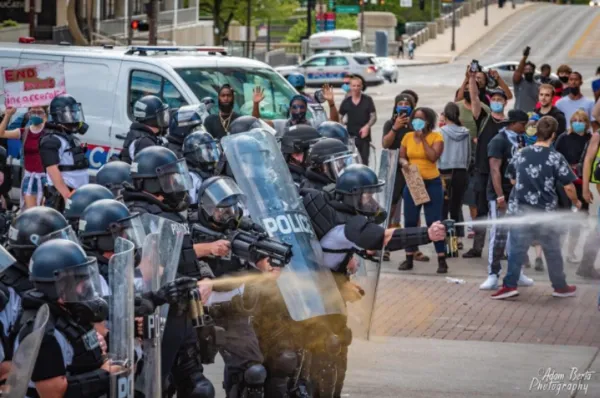
Columbus-based photographer and videographer Adam Berta welcomes you to his extended exhibition, “Adam Berta’s Protest Photography ends October 31 ” at Sean Christopher Gallery, Columbus Ohio during Regular Gallery Hours, by Appointment or choose a Virtual Option. Partial proceeds from all sales of artworks from the exhibit will benefit the Equal Justice Initiative @eji_org
Gallery Visits
Thursday Oct 29, Open Gallery Hours 3:30-530pm or by appointment
Friday Oct 30, Open Gallery Hours 3:30-530pm or by appointment
Saturday Oct 31, Open Gallery Hours 1:30-4:00pm
For all off-hours by appointment visits schedule in advance by calling (614) 327-1344

The Council on American-Islamic Relations (CAIR), the nation’s largest Muslim civil rights and advocacy organization, today warned American Muslims that there is no guarantee that ballots mailed today will be received and counted on time to due the ongoing and deliberate slow-down of federal postal service.
CAIR advises all early voters to - if possible - submit their ballot either by drop off box or hand delivery. [NOTE: If you already have a mail in ballot, take it to the polls with you in case you need it.]

Whenever you hear something repeated, it feels more true when you hear it repeated. In other words, repetition makes any statement seem more true. So anything you hear will feel more true each time you hear it again.
Each of the three sentences above conveyed the same message. Yet each time you read the next sentence, it felt more and more true. Cognitive neuroscientists like myself call this the “illusory truth effect.”
Illusory truth is one consequence of a phenomenon called “cognitive fluency,” meaning how easily we process information. Much of our vulnerability to deception in all areas of life revolves around cognitive fluency.
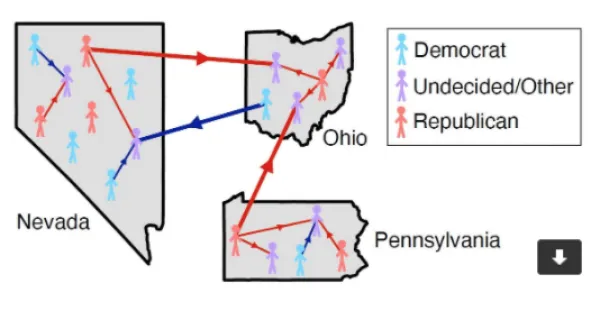
(October 28, 2020) – According to a new model, if the U.S. presidential election were to take place today, former Vice President Joe Biden would have an 88.3% percent chance of winning. That’s the finding of a group of U.S.
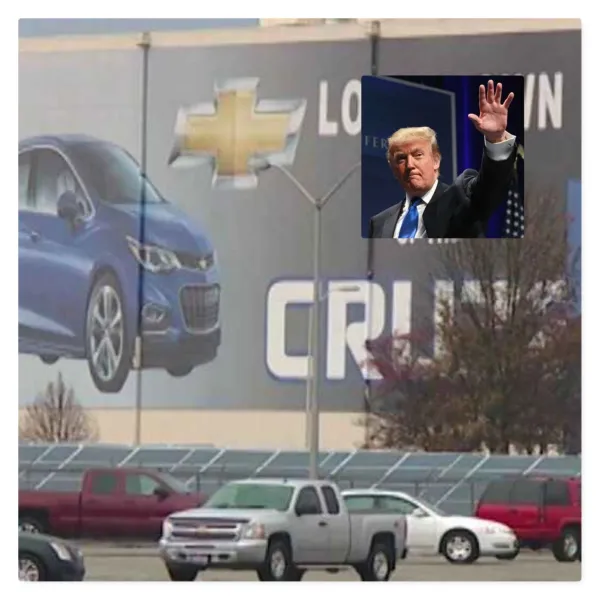
The heated 2020 presidential election incites the question for Ohioans: what has Trump done for the people of Ohio?
We have indeed set records these past four years – from jobs to factories and agriculture – and why are we tired of these records being broken? Because they’re all going in the wrong direction.
Economic inequality, unequal development, and leveling of labor has plagued the rust belt the past 40-plus years. This is the understandable context for rural Ohio, some of suburbia and some blue-collar pockets of Ohio’s turn to populism when it was presented with a right-wing, anti-establishment populist candidate promising an alternative to the “status quo.”
Trump has proved, however, to be a hollow right-wing populist in the lack of real economic development outside of the tax cuts and deregulation (a very mainstream conservative political strategy) that mostly benefited the top income brackets. His promises to revitalize some of Ohio’s most struggling working-class regions, like Northeast Ohio, have fallen short.
The heated 2020 Presidential Election incites the question for Ohioans: what has Trump done for the people of Ohio?
We have indeed set records these past four years – from jobs to factories and agriculture – and why are we tired of these records being broken? Because they’re all going in the wrong direction.
Economic inequality, unequal development, and leveling of labor has plagued the rust belt the past 40-plus years. This is the understandable context for rural Ohio, some of suburbia and some blue-collar pockets of Ohio’s turn to populism when it was presented with a right-wing, anti-establishment populist candidate promising an alternative to the “status quo.”
Trump has proved, however, to be a hollow right-wing populist in the lack of real economic development outside of the tax cuts and deregulation (a very mainstream conservative political strategy) that mostly benefited the top income brackets. His promises to revitalize some of Ohio’s most struggling working-class regions, like Northeast Ohio, have fallen short.
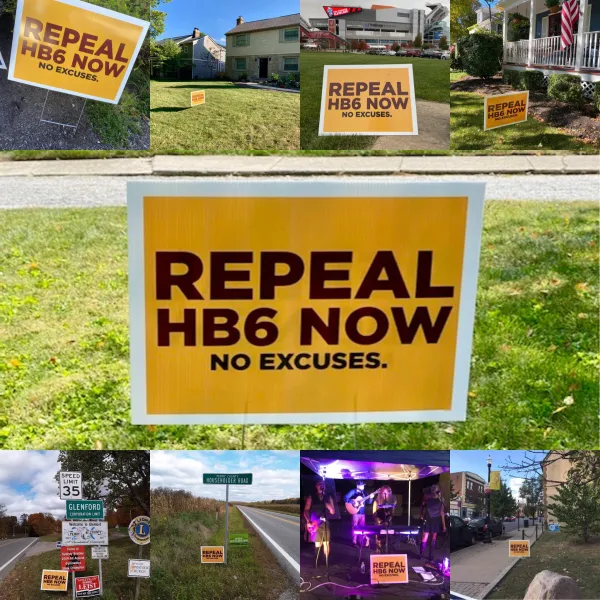
This article first appeared in the Ohio Capitol Journal.
When the controversial nuclear bailout bill known as HB6 first reached the Ohio House floor in 2019, only a handful of Ohioans truly knew what it was and what was in it. This “handful of Ohioans” -- as we would later find out -- was a group of Republican lawmakers and lobbyists who had cooked up a historic pay-to-play bribery scheme, all funded by various energy companies and predominantly led by FirstEnergy.