Local
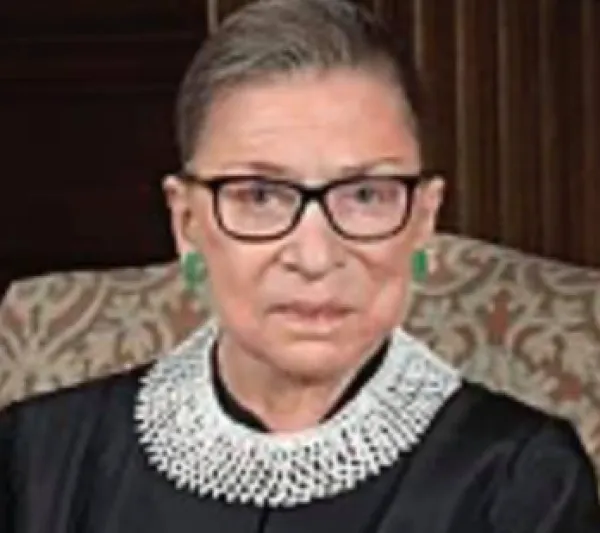
Save The Supreme Court
Friday, Sept 25, 12 noon
37 W Broad St, Columbus, OH 43215
Facebook Event
We need to show Congress that there is broad resistance to Trump’s agenda. Join us. Let’s celebrate RBG and send a message to Sen Portman that we are here and will not stop. Bring a rose. Hosted by Ohio District 15 Indivisible
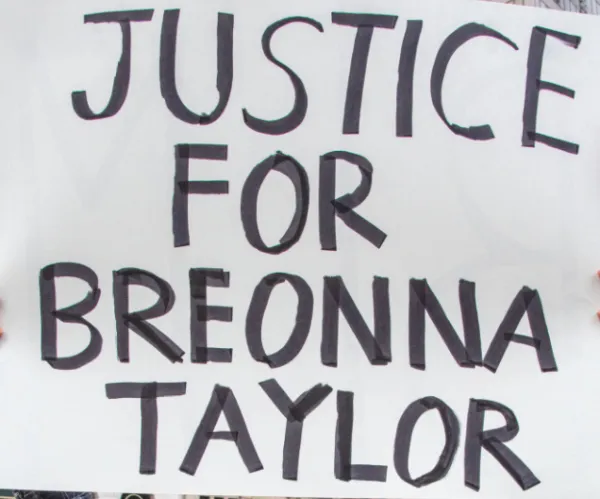
Thursday, September 24, 5pm
Ohio Statehouse
No justice no peace stand together rally and march together peacefully and safe for Breonna Taylor.

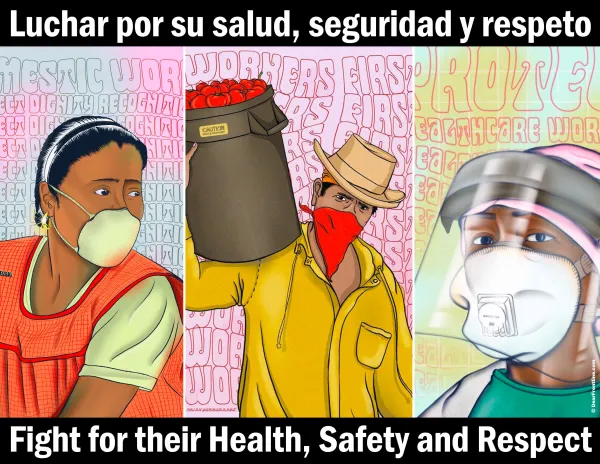
Earlier this week Lakewood, just west of Cleveland, became the first city in Ohio to pass a resolution supporting an Essential Workers Bill of Rights, as part of a new national campaign to deliver better treatment and pay to all “essential workers.” Today, Toledo did the same – both with unanimous votes.
There is no word from Columbus City Council whether it will consider a similar resolution. Several major cities have also passed resolutions supporting an Essential Workers Bill of Rights, as New York City Council did back in April. The bill has not passed as of yet though.
A national Essential Workers Bill of Rights was proposed earlier this year by Sen. Elizabeth Warren, which seeks to protect frontline workers by requiring employers to provide personal protective equipment, robust hazard pay, and provide 14 days of paid sick leave, among other proposals. The bill has stalled in the Senate, however.

Dear Editor,
As COVID-19 continues its spread, one thing is clear: Ohio and the nation need paid family and medical leave.
As a mother of two, this need was front and center for me after the birth of my second daughter Ellie. Home alone with Ellie a week after giving birth, I became so sick that I couldn’t get out of bed. I had no way to take care of her, let alone myself. My husband and parents had either exhausted their paid leave and vacation time or simply had none. Things escalated when I had to go back to the hospital for treatment, forcing my husband to come home from his job to help get me there.
During that time I felt so alone, frightened and frustrated. I was told by well meaning people — who couldn’t help because they had no time off left — to just stay in bed all day. That’s a fine option for someone who has adequate assistance at home, but I had a newborn and myself to care for alone. How was I supposed to eat if I couldn’t make it downstairs to get food? How was she supposed to eat?
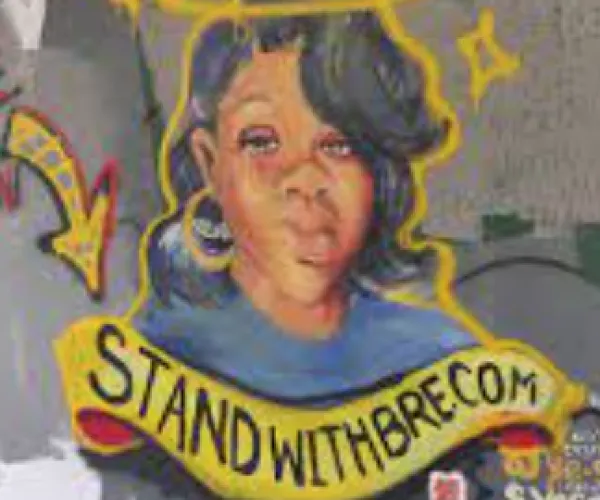
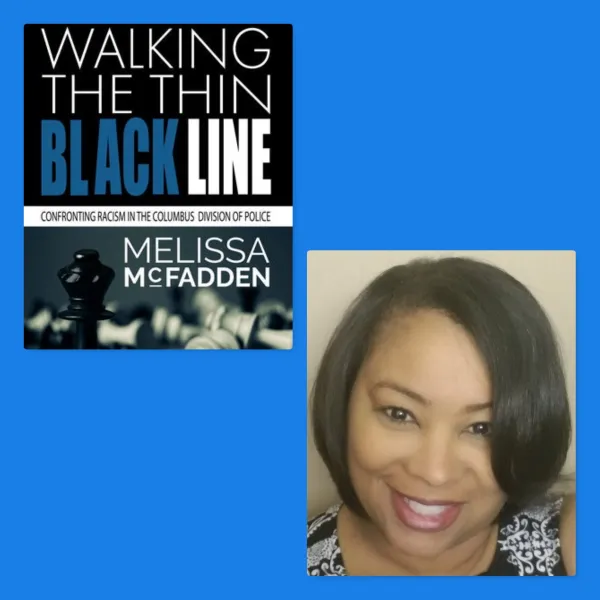
One underrepresented voice in the police reform movement that’s swept the country this summer is that of the Black police officer. In her new memoir, “Walking The Thin Black Line: Confronting Racism in the Columbus Division of Police,” Melissa McFadden tells the story of her 24-year career, currently as a Black lieutenant with the Columbus Division of Police.
Black officers walk a thin Black line every time they put on their uniforms. On one side is the Black community they strive to serve and protect from unjust treatment; on the other, a racist institution where they experience ongoing discrimination themselves.
McFadden shares her 24-year quest to defend her overpoliced community while coping with the personal trauma of surviving in a racist police department in this new book available now on Amazon.

Wednesday, September 23, 12noon-1:30pm, this on-line event requires advance registration
Due to COVID-19, many of us have concerns about voting in the November election. Bring your questions and join us to learn about: voter eligibility and registration, three ways to vote, absentee ballots, important dates, common problems to avoid to ensure that your vote is counted, and ways you can get involved in voter education and advocacy. You may even get answers to questions you did not know to ask such as how many stamps you need to mail in your ballot.
Presenters
• Rev. Joan VanBecelaere is the Executive Director of Unitarian Universalist Justice Ohio and Ohio UU the Vote. She serves as the Chair of the Registration Team of the Nonpartisan Ohio Voter Outreach Committee [NOVOQ]. She has also worked with the Ohio Poor People’s Campaign. Prior to moving to Ohio, she was Vice-President for Student Services at Iliff School of Theology in Denver, Colorado. She lives in Columbus, Ohio, with her spouse, Jerry, and four furry felines.

The Hilltop Historical Society was going forward with its annual Camp Chase cemetery memorial later this week – when scores of Confederate flags are placed on gravestones – but they canceled the September 27th ceremony due to COVID concerns. This historical society told the Free Press the ongoing social justice movement had nothing to do with the cancelation.
More disconcerting and surreal to some, is what Hilltop Historical Society President Dave Dobos – who is also Vice Chair of the Franklin County Republican Central Committee – told the Free Press in regard to the canceled event.
We asked Dobos: if the event had not been canceled, would the society still have brought out scores of Confederate flags during this summer of all social justice summers?
“If it hadn’t been for the coronavirus, yes,” said Dobos, who was scheduled to speak at the canceled event. “I think anytime you are accurately portraying history, it is appropriate. Folks can make their own opinion.”
As many are aware, Camp Chase on Sullivant Avenue is a VA-owned cemetery where over 2,000 Confederate soldiers and a handful of Union soldiers are laid to rest.