
Local

Thursday, Sept. 10. 5-7pm
299 King Ave,.
In partnership with the Ohio League of Women Voters, King Avenue Church will be hosting a drive-through event in the church parking lot to help folks to check their voting registration, register to vote, update their information, and apply for absentee ballots.
You can help by spreading the word about this event!
Voting by absentee (mail-in) ballot? Don’t delay - use this link to request an absentee ballot: https://bit.ly/31cpnp4

How much incompetence can one county jail exhibit, and continue to operate? A jail break Tuesday (September 8th) from the Morrow County Correctional Facility in Mt. Gilead should be the last straw.
Despite warnings this would happen, the Morrow County Correctional Facility (MCCF) became 100% COVID-positive this year. Since the jail doubles as a federal detention center for Immigration and Customs Enforcement (ICE), MCCF became the first 100% COVID-positive ICE facility in the nation.
Now, with two jailbreaks and a suicide in the past few weeks, one has to wonder: When will the Morrow County Commissioners, Ohio Department of Rehabilitation and Correction, or anyone else with authority step in and say enough is enough, this jail needs to close?
How much incompetence can one county jail exhibit, and continue to operate? A jail break Tuesday (September 8th) from the Morrow County Correctional Facility in Mt. Gilead should be the last straw.
Despite warnings this would happen, the Morrow County Correctional Facility (MCCF) became 100% COVID-positive this year. Since the jail doubles as a federal detention center for Immigration and Customs Enforcement (ICE), MCCF became the first 100% COVID-positive ICE facility in the nation.
Now, with two jailbreaks and a suicide in the past few weeks, one has to wonder: When will the Morrow County Commissioners, Ohio Department of Rehabilitation and Correction, or anyone else with authority step in and say enough is enough, this jail needs to close?

Tuesday, Sept. 8, 6-7:30pm
City of Columbus, City Hall, 90 W. Broad St.
Columbus and Franklin County are in a housing crisis. Our elected leaders continue to kick the eviction problem down the road instead of providing rent relief and providing housing for all people. Join us in calling for an end to the police violence inherent in housing set outs, and an end to the commodification of housing that prioritizes profits over the lives of people, especially our Black, brown, and immigrant neighbors.

Tune into the virtual Hot Times Festival this weekend!
7PM Friday, Sept 11
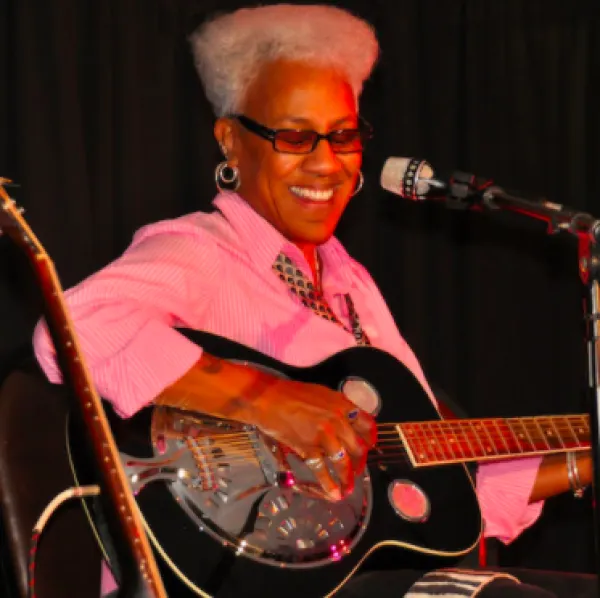
Gaye Adegbalola will perform LIVE from Virginia
10PM SATURDAY, SEPT 12
Tony Monaco LIVE from his studios!
6PM SUNDAY, SEPT 13
Bobby Floyd - LIVE from the Blue Velvet Room
7PM SUNDAY, SEPT 13
Donna Mogavero LIVE!
8PM SATURDAY, SEPT 12
Shaun Booker - Special Hot Times Concert!
Internationally known, powerhouse vocalist Shaun Booker brings her love to Hot Times in this great set not to be missed!
Monday, September 7 through September 17, 2020, 5:00 PM
Through September 9th, the action is at the intersection of E. Broad & High. Sept 10th-17th action is meeting on Mt. Vernon Ave. Masks Required.
Sunday, September 6, 2020, 8:00 PM
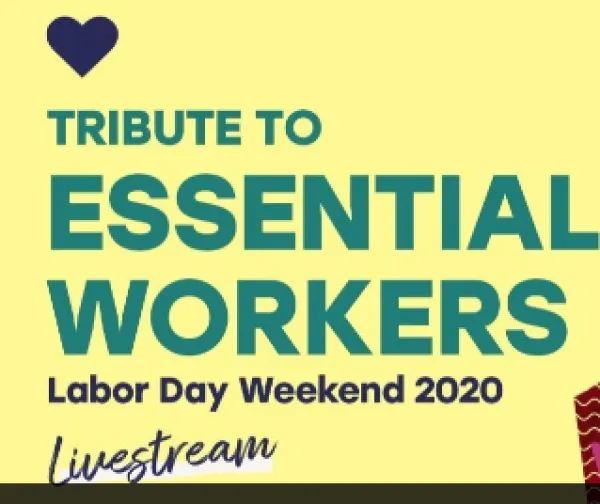
Join us this Labor Day weekend to pay tribute to the lives and work of essential workers. On Sunday night, September 6th we’ll come together to watch performances, hear stories, and honor the lives of working people who continue to sacrifice daily for our nation’s safety and wellbeing. More information here.

Saturday, Sept. 5, 10am-5pm
Four Seasons City Farm
931 E. Mound St.
Music, arts and crafts, recyclables, free food, produce sale
Family friendly, COVID safe event.
https://en.m.wikipedia.org/wiki/Alligator_Records