
Local

Saturday, August 8, 7-9pm
Join Zoom Meeting:
https://zoom.us/j/222255972
Meeting ID: 222 255 972
Join through your computer or phone.
Since we can't get together in person, we can gather for a couple hours on the second Saturday night of each month from 7-9pm on Zoom.
Speakers:
Lynn Tramonte of the Ohio Immigration Alliance
Miriam Vargas, in Sanctuary in Columbus
Bob Fitrakis and Harvey Wasserman on the bribed nuke bailout and other environmental and election issues
SPECIAL GUEST -- Greg Palast, New York Times best-selling author on his new book How Trump Stole 2020
Q & A included.

Former Columbus City Council Candidate Joe Motil states that it is finally time for construction industry leaders to begin addressing the racist, sexist, and homophobic environment on construction projects here in Central Ohio. Columbus Business First reported (Facebook data center construction halted in New Albany after "racist graffiti" found on site) today that Turner Construction halted work activities at the Facebook Data Center construction site in New Albany due to “racially charged graffiti” that was scrawled on six portable toilets on the site. The Facebook construction project is currently the largest project in Central Ohio.
The company said, “This is totally unacceptable. We suspended work to send a message about how serious we take this behavior and to provide time for every single person on the site to participate in anti-bias training. Work will resume when training is complete.”

August 7, 2020, 4:30-6:00pm
Senator Rob Portman’s Office, 37 West Broad Street, Columbus, Ohio
On Friday, August 7, 2020, if no reasonable agreement is extended to the Federal Pandemic Unemployment Insurance, a group of concerned Ohio citizens will gather outside Senator Rob Portman‘s Columbus office. We will tell the Senator and the rest of the political establishment that we need to #savethe600! Hundreds of thousands of Ohioans are out of work from the crushing combination of a global pandemic and a collapsing economy that was already rigged to benefit the richest of the rich.
“Cutting off the $600 boost to unemployment benefits would be both cruel and bad economics.” Economic Policy Institute
Key takeaways:

Thursday, August 6, 2020, 6pm
Washington-Gladden Social Justice Park, northeast corner of E. Broad St. and Cleveland Ave.
30 large posters, with photos telling the story of the people in Hiroshima and Nagasaki on those fateful days in 1945, will be on display at the park, starting at 2pm; the program will begin at 6pm.
• We are a diverse group of people who share the common goals of ridding the world of the threat posed by nuclear weapons and bringing justice to communities that are affected by nuclear weapons testing, production and use. We recognize that people of color were the target of the 1945 bombs and subsequent bomb testing. We acknowledge the suffering of Japanese Americans ripped from their homes and placed in internment camps during the war.
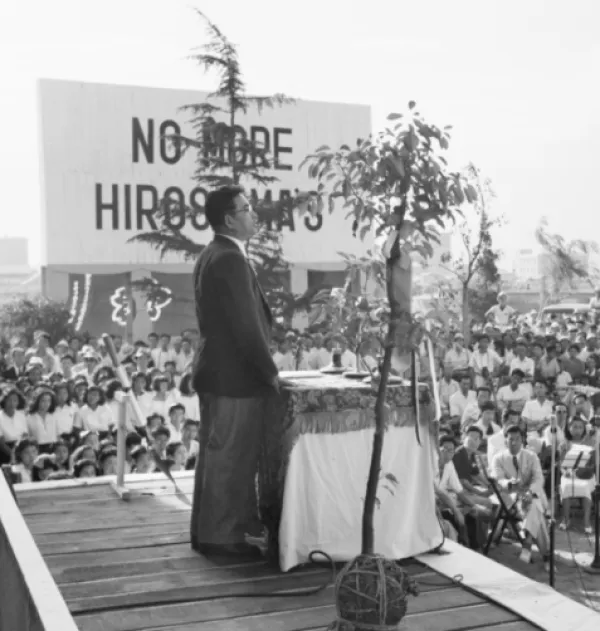
On the 75th anniversary of the bombing of Hiroshima, we are here to stand in solidarity with Hibakusha, the survivors of the atomic bombings, and say: No more Hiroshimas, no more Nagasakis — never again!
Gensuikyo, the Japan Council against Atomic and Hydrogen Bombs, says (at http://www.antiatom.org/intro_activity/solidarity.html): “「核兵器と人類は共存できない」「生きているうちに核兵器廃絶を」―これらは被爆者のねがいです。(“‘Kakuheiki to jinrui wa kyozondekinai’ ‘Ikiteiruuchini kakuheikihaizetsuo’ — korewa hibakushano negaidesu).” Hibakusha believe that “it’s impossible for humanity to coexist with nuclear weapons.” Their hope is to “see the abolition of nuclear weapons within their lifetime.” There are still some 190,000 Hibakusha. The average age of hibakusha today is over 82. We have only a few more decades to make their wish come true.
Defund the Military, Refund Humanity
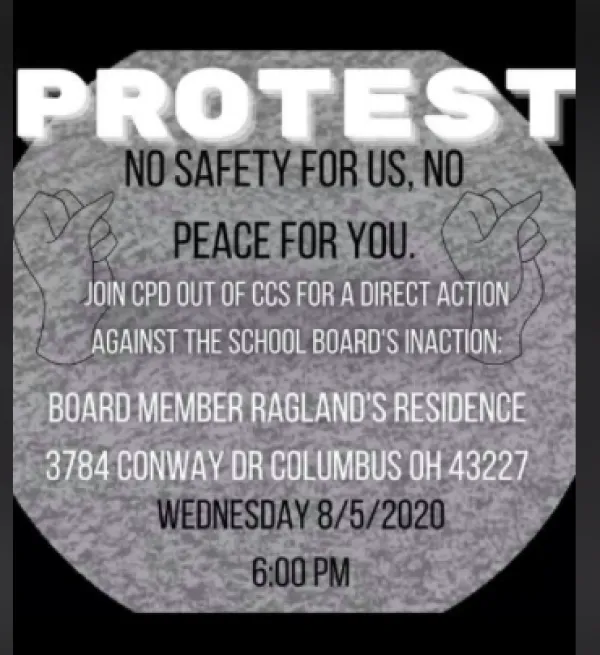

Wednesday, August 5, 7-8pm
Zoom: https://zoom.us/webinar/register/1215965660210/WN_rh8tTkiqRO2BznfnxgDhBQ
Facebook Event
Join Harvey Wasserman, Bob Fitrakis, and special guest legendary wind developer Juhl explaining huge north coast turbine potential.
Discussion of THe $60 million bribed nuke bailout thanks to Larry Householder, how to work to repeal the wind set-back clause and reports from nuke disasters in Illiinois & South Carolina. Thousands of jobs -- forever cheap/clean/renewable energy ready to go!
Tuesday, August 4, 6-9pm, this event will be on-line
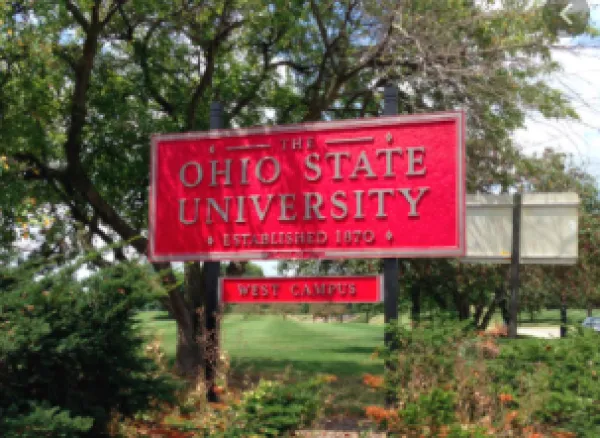
This plant will create a demand for more fracking and will increase local air pollution in Columbus. Speak up for the climate and a livable planet for future generations!
The second public hearing on OSU’s proposed gas plant will be held remotely on Tuesday, August 4 at 6pm. Community members may give testimony by phone or by video conference using WebEx.
If you plan to testify, please register at this link by 12noon on Monday, August 3.
The hearing will be live-streamed on PUCO’s YouTube channel. If you will not be speaking, you may tune in and join us in live by tweeting #noosugas or by using the PUCO’s YouTube channel.
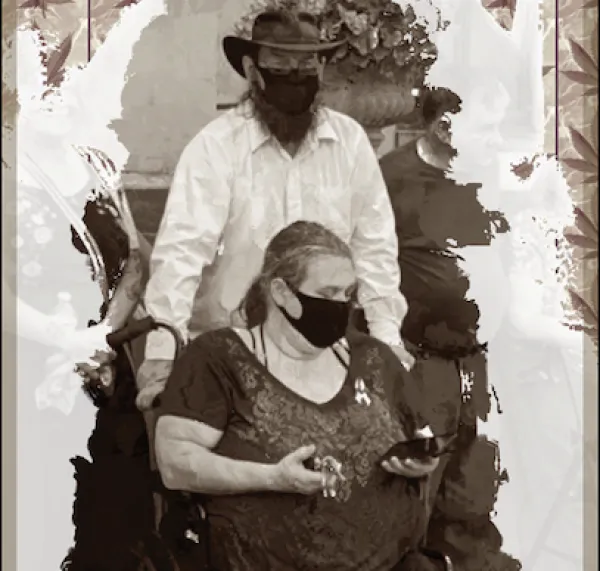
First, heartfelt thank you goes out to Mercer County Common Pleas Judge Jeffrey Ingraham for answering prayers for leniency. Wisdom, kindness, compassion. Justice as it should be.
There’s a story here, one that winds through small town America, Halloween, a drug bust, qualifying medical conditions, hostile prosecution, an arduous three years, a half million dollars and justice for patients in the end.
It all began in Rockford, a village of 1,120 people in Mercer County on the far west side of Ohio. White rural Republican red state, it’s a place where miles of soybeans, wheat and corn align razor straight roads. A “Mayberry” of the Midwest.
Ghosts and goblins have been known to haunt Halloween, usually as costumed kids ringing nearby doorbells in pursuit of candy and cookies. A knock on the door of the Keeling family on October 31, 2017, however, took on more ghoulish proportions.
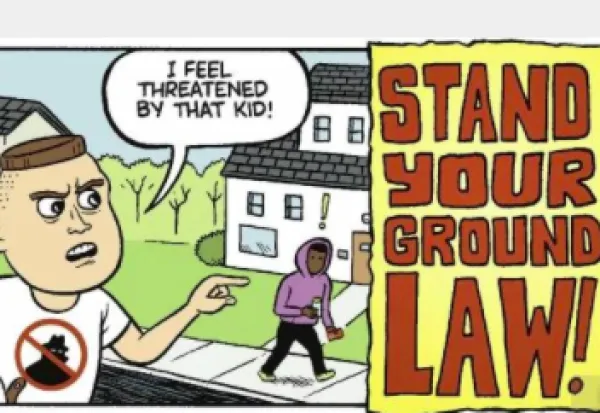
So-called "Stand Your Ground" laws go by all of these names for one clear reason: they are a license to murder. Using the guise of “self defense,” they fuel gun homicides — especially homicides of Black Americans, like Trayvon Martin and Ahmaud Arbery. They are already law in at least 25 states. Even though we have fought this dangerous legislation a number of times Ohio lawmakers are still hearing and considering a “Stand Your Ground” bill to send to Gov. DeWine’s desk. OCAGV is joining a coalition of Ohio-based groups, civil rights and racial justice organizations, and more in an effort to mobilize Americans everywhere to tell Gov. DeWine that the entire nation is watching – and he must reject any Stand Your Ground bill that arrives at his desk!