
Local
Sat, Dec 8, 6:30-11pm
1021 E. Broad St. (east side door)
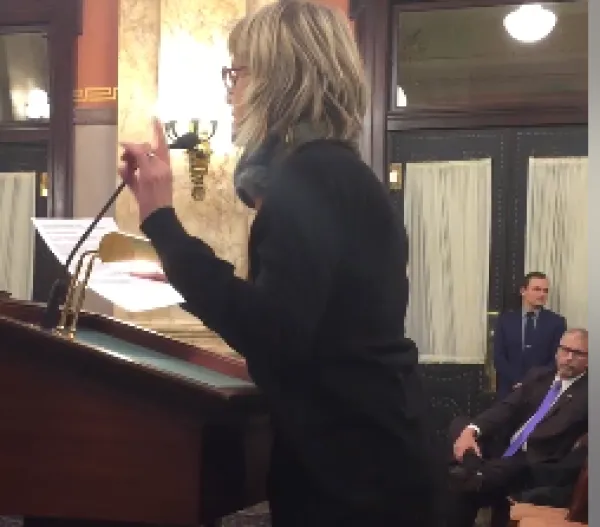
Join progressive friends for food, drink, and great music. Presentation by Carolyn Harding who recently testified before the state legislature on the attacks on activis with the SB 250 legislation, also discussion of the bill against the BDS movement and other draconian legislation now being heard in the Ohio Statehouse. Free, no RSVP required. colsfreepress@gmail.com or 614-253-2571.

Thurs, Dec. 6, 6-8pm
Columbus Library Linden Branch, 2223 Cleveland Ave.
We are here to abolish ICE from Columbus and polarize people against the police state. Our success can be measured through our mobilization of existing and new activists, engagement with directly impacted populations, and divestment of local institutions from ICE.

Human Rights Day – December 10
On December 10, 1948, the Universal Declaration of Human Rights was adopted by the United Nations General Assembly. Since 1950, countless events have been held to observe Human Rights Day on December 10. Among such events planned this year are two in Columbus, Ohio:
Jim Leonard and Dan and Barbara Lehman will present their reflections as participants in a Christian Peacemaker Teams delegation to Palestine/Israel, hosted by Central Ohioans for Peace (Columbus Mennonite Church, 35 Oakland Park Ave., 43214), 7-9 PM.
Human Rights Columbus’s celebration of Human Rights Day, recognizing “Columbus Human Rights Champions” Esther Flores, Dureti Mimi Tadesse, and Bill Pelke (First Congregational Church, 444 E. Broad St., 43215), 7-9 PM. The two events, we believe, may serve as examples of attempts to liberate the idea of human rights.
A History of Human Rights

Although there were rumors that relief would come this December for those awaiting their legal medical marijuana in Ohio, Santa will not be depositing any cannabis beneath the tree this year.
Mary Jane Borden, Free Press’ cannabis reporter, tells us that “Even if cut today, the plants would still have to dry for a time. Testing laboratories aren't scheduled for final inspection until mid-December, according to the Department of Commerce. Also, there is not yet a patient registry. I suppose that dispensaries could open without product and sell ‘accessories’ as provided in HB 523, but I don't see anything that tells me Ohio will have functional dispensaries with cannabis for sale this year.”
The September 2018 date initially predicted for the opening of the medical marijuana market in our state has long passed. It looks like it will be January before the first crop is ready. Cultivators at Buckeye Relief in Eastlake, Ohio claims to have buds that will be harvested soon. Cresco Labs in Yellow Springs announced a few weeks ago their plants were almost full grown.
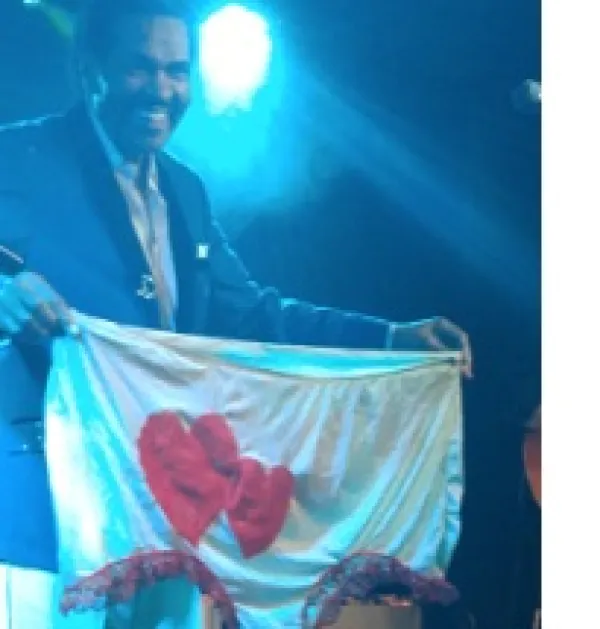
How to put it politely? Naughty-naughty-naughty 85-year-old blues bandleader and singer Bobby Rush and his two equally naughty female dancers emphasized nothing but their chakras related to sexual intercourse at his Woodlands Tavern show the last Monday in November.
Call them your crotch chakra and booty chakra, or how to bump-and-grind your spine to better alignment, it was the most entertaining blues show I have ever seen. Eighty-five years young and so old-school I think Moses and he wore short pants together in kindergarten, Rush was the funniest, rockin'est, dirtiest good time I can ever remember having to a quality blues/funk band. And brother, I have seen a lot of them.
With his super-tight five-pieces and two super-funky, super-sexy, super-fly lady dancers, Rush started off with a straight blues ballad and then went off like a X-rated Roman candle into blue-blue-blue-light special land of naughty and super-naughty jokes and lyrics while his rock-hard funk-and-blue grooves flowing like good bourbon.
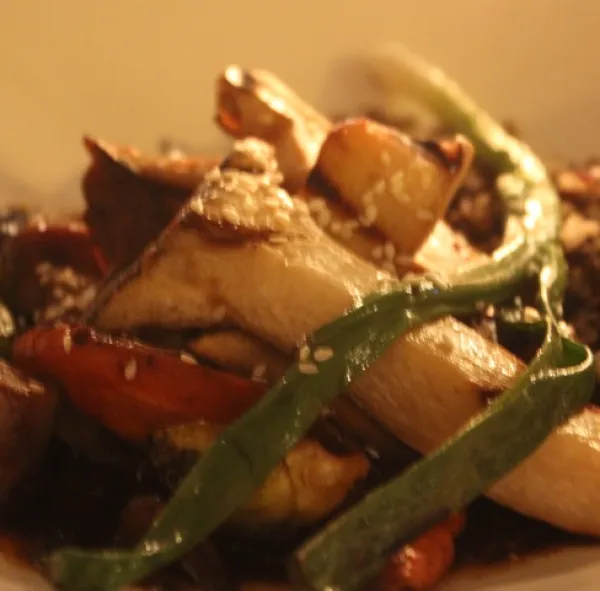
Comune opened in the Nationwide Children’s Hospital corridor on Parsons Avenue in mid-November to the delight of the surrounding neighborhood. The Columbus Vegan Meetup community has been abuzz with accolades. Even our celebrity chef of international fame, Del Sroufe of the film “Forks Over Knives,” praised the soup and the chocolate cake as “some of the best ever” for their world-class flavor. If you are looking for a finer dining (though not quite a white tablecloth level) atmosphere and high caliber food, you now have another comprehensive plant-based, vegan-friendly option, from appetizer to dessert and coffee, tea or other libations.
The holiday season is in full swing with lots of exciting vegan community events to get involved in. VeganShift and the Columbus Vegan Meetup are doing their monthly “Second Saturday Ask a Vegan” lunchtime dine-in event on Dec 8, and It’s All Natural is doing their annual Holiday Pop-up Market on Dec 9. Vegan Shift has partnered with Stomping Grounds to deliver a dinner and dancing New Year’s Eve Party.
Wednesday, Dec. 5, 5:30pm
William Oxley Memorial Statue, 181 Oval Sr. S, OSU campus
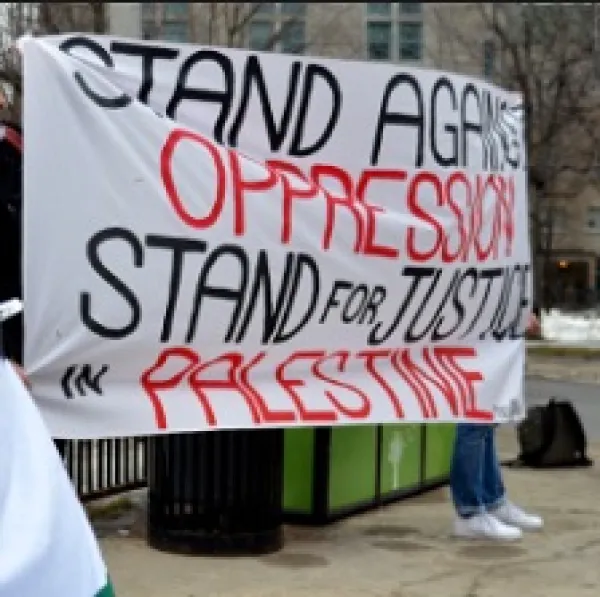
Gathering at Thompson statue at 5:30 and then marching together to the USG meeting to present our resolution for BDS. The USG meeting starts at 6:30 pm in the senate chamber on the second floor of the Union, and there will be an open forum where anyone can speak for up to two minutes in support of our resolution.
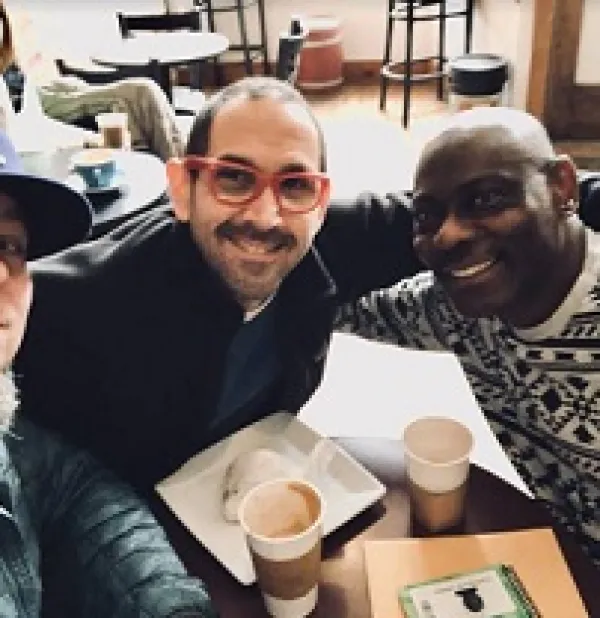
Who knew the war-torn Congo and Hollywood would meet in Ohio and make for a good movie subject?
Keida Mascaro – that's who.
"I gotta make this movie – here, 100% in Columbus, with Columbus money and as much Columbus talent as possible," said Mascaro of New Americans, his and writer Jeffrey Newman's drama about a former Congolese boy-soldier-turned-refugee-turned-immigrant landing here wearing his decades-old refugee camp Surf Ohio t-shirt and a desire to find a certain Ohio amusement park he became aware of in the refugee camp.
"He comes to Columbus because of that shirt and an old '80s cassette Columbus radio mix-tape that has an Ohio amusement park ad," Mascaro explained at the Luck Brothers coffee shop after his post-Thanksgiving workout. "It's his dream, escaping the nightmare horrors of civil war and the get-nowhere camp and finding a paradise of amusement parks and maybe some surfing. Of course reality butts in and his extended family is there for him to a point. His PTSD and naivete complicate matters something fierce."
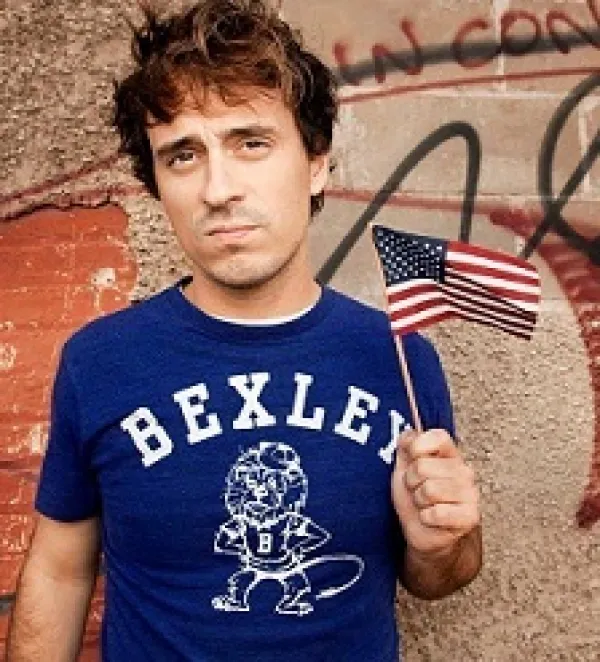
In Ohio, the 2018 election held consequences for the third party candidates for governor – both myself (the Libertarian Party candidate) and Constance Gadell-Newton (the Green Party candidate) had to earn at least 3 percent of the vote to secure ballot access for our political parties over the next four years, due to the latest restrictive ballot access laws made by Republicans in the statehouse.
Unfortunately, we both failed to meet those margins, even with our vote totals combined. While there is a legal precedent for the Libertarian Party of Ohio to challenge any ruling from the Secretary of State that we are no longer a recognized political party (both the language of the law and a previous court case in the Sixth Circuit proves that minor parties get two statewide elections to meet any ballot access requirements) it’s hard to say if our Republican overlords who now firmly run this state will allow that to happen. Secretary of State-elect Frank LaRose, while hailed in several newspaper endorsements as someone who has worked “across the aisle,” is probably just another Ohio GOP shill ready to do their bidding.
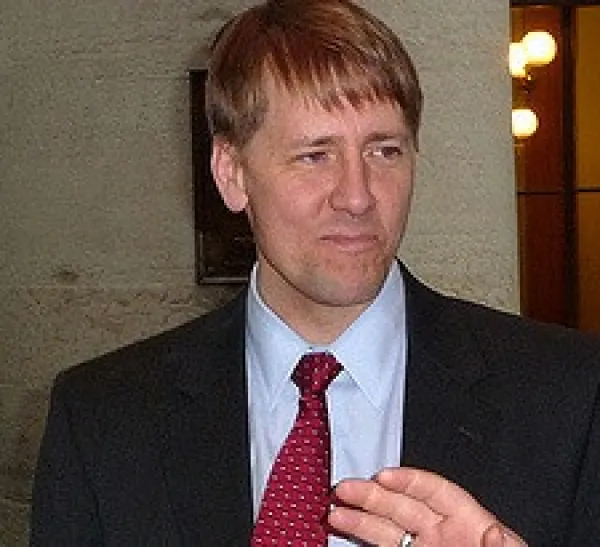
It was not Donald Trump who did in Ohio Democrats on November 6th.
Ohio has not turned Republican.
It was Richard Cordray's fault.
The Ohio Democratic Party's opportunity to take power in 2018 depended on gubernatorial nominee Cordray convincing the voters, especially rural ones, that change was in order because of Republican Party corruption in state government.
This seemed eminently doable based on the ECOT scandal with $180 million lost and the wrongdoing in state government headlined by the resignation of the House Speaker.
Unfortunately, Cordray, his running mate Betty Sutton, and their four ticket mates Steve Dettelbach, Kathleen Clyde, Zack Space and Rob Richardson failed individually and collectively to make the case that their opponents in particular, and the GOP in general, had profoundly failed Ohioans and deserved to be defeated. Cordray, Dettelbach, Clyde and Space all lost by about 4 percent, Richardson by 7 percent.
Twelve years ago, Ted Strickland and company hung the Coingate scandal around the necks of the GOP and took four of five state offices.