
Editorial

The phenomenon of “mental health disorder” has become so influential that, according to recent studies, every second person has—or will have—at least one diagnosed mental illness in their lifetime. This figure presents an existential and statistical impossibility: when more than half of the population is inflicted with psychological abnormality, the norm has become abnormal.
How can it be that the majority of us are sick? To answer this troubling question, some point to modern realities—social media, social isolation, environmental doom—while urging for societal change.
Others see an aggravating factor. Maybe, they argue, there isn’t a true rise in mental illness, but that one distinctive force is inflating what is a relatively stable emotional landscape—no worse or better than before.
In such a scenario, the seeming escalation of mental illness is largely due to an increase in the identification of psychiatric disorder, and not a rise in genuine illness. That is, people are not suffering more, but rather, normal suffering is, more and more, being called “sickness.”

The Columbus Education Union (CEA) already has enough weirdo enemies in the Ohio GOP and conservatives in general. They hate public school teachers and their list of unwarranted grievances and jealousies is long and disturbing – teachers have summers off, they are desperate to privatize education for profit, and public-school teachers’ unions are a key base of support for the Democratic Party.
But now the leaked planning document scandal looking to marginalize any CEA pushback against possible school closures has exposed the Columbus City School Board as a new/old adversary, say CEA union stewards and members to the Free Press.
“The simple fact of the matter is that we [the CEA] hit national news with the strike, and through the power of that and collective bargaining, we won one of the best and strongest contracts in the nation,” a CEA union steward who wished to remain anonymous told the Free Press.
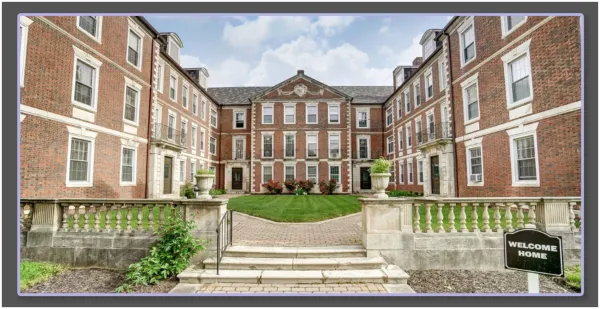
I used to live at the Governor’s Terrace apartment building on East Broad Street between North Ohio Avenue and South Champion Avenue. This location sits between the sites where Columbus police shot and killed 13-year-old Tyre King in 2016 and 16-year-old Julius Tate three years later.
It is north of Broad Street, so the gentrification name of this area is known by some as the King-Lincoln District. Former Mayor Coleman insisted on calling it King-Lincoln, but many raised here or connected in some way prefer, if not demand, this historical African American enclave be known as the name it was born with – Bronzeville.
When I moved into Governor’s Terrace in 2016, I got in around $700 a month. As time passed, Bronzeville became whiter and whiter, and housing prices in Bronzeville went up and up. My lease was locked in at a reasonable yearly price increase so, even after several years, I was still around $800 a month.
Most of us believe in fair pay for honest work. So why aren’t low-wage workers better paid?
After 30 years of research, I can tell you it’s not because employers don’t have the cash. It’s because profitable corporations spend that money on their stock prices and CEOs instead.
Lowe’s, for example, spent $43 billion buying back its own stock over the past five years. With that sum, the chain could’ve given each of its 285,000 employees a $30,000 bonus every year. Instead, half of Lowe’s workers make less than $33,000. Meanwhile, CEO Marvin Ellison raked in $18 million in 2023.
The company also plowed nearly five times as much cash into buybacks as it invested in long-term capital expenditures like store improvements and technology upgrades over the past five years.
Lowe’s ranks as an extreme example, but pumping up CEO pay at the expense of workers and long-term investment is actually the norm among America’s leading low-wage corporations.
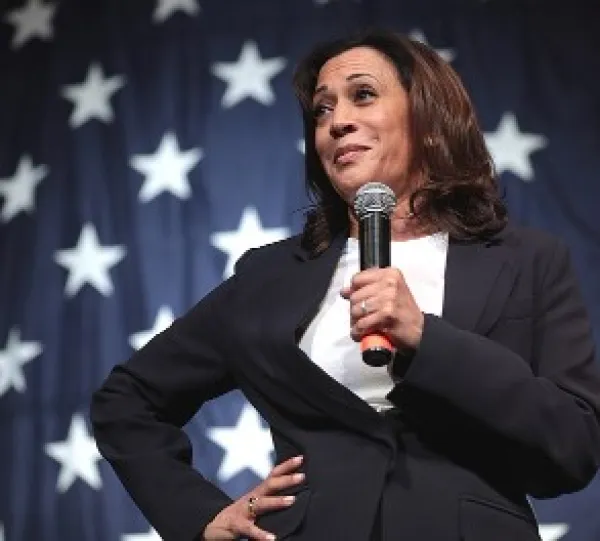
Like most Americans, Vice President Kamala Harris has evolved on marijuana.
In 2010, when she was San Francisco’s district attorney, Harris urged voters to reject a proposed ballot initiative to legalize the adult-use marijuana market. At the time, Harris’ position aligned with that of most California voters, 54 percent of whom ultimately decided against the measure.
But not long after, Harris — and most Americans — changed their stance.

Columbus Mayor Andy Ginther claimed stolen data from the city’s database was encrypted or corrupted and likely unusable to any criminals, along with his Deputy Chief of Staff Jennifer Fening stating, “There is no evidence of ratepayers, or the general public were exposed.” And when asked by a local television reporter if he lied earlier this week about the extent of his knowledge of the information that had been leaked, and he gave a resounding "No" when it was noticed that his nose grew about four inches.
Friday, Mayor Ginther released the following statement: “To protect the community from the recent cyber attack on the city’s IT infrastructure, the City of Columbus is providing notification and offering free Experian credit monitoring to all residents and impacted individuals. Anyone who has shared their personal information with the city or municipal court may be impacted and can sign up for two years of free Experian monitoring, which includes $1 million of protection against fraud and identity theft.”
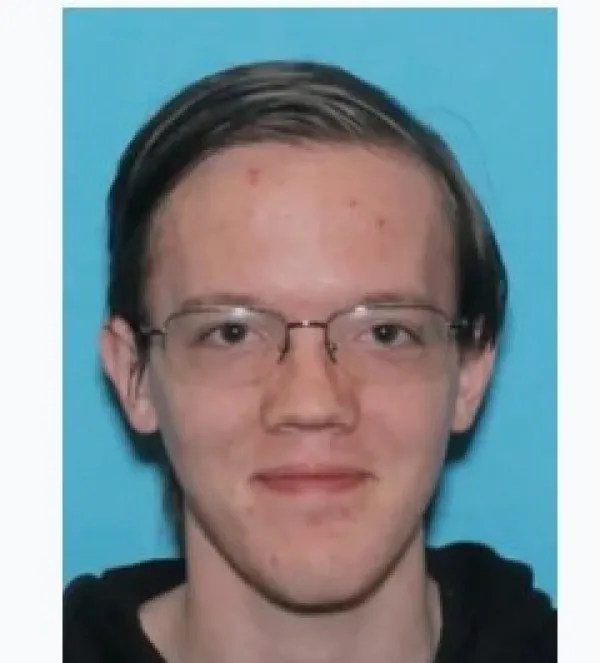
Thomas Crooks left no manifesto or suicide note. He had a limited presence on social media — unimaginable for a member of Gen Z. Although he was a registered Republican, he did not display strong political beliefs or radical ideology. Indeed, more than a week after he tried to assassinate former president Donald J. Trump at a rally in Pennsylvania last month, the 20-year-old Crooks was being described by authorities as an enigma whose motivation for the shooting remained elusive.
This article first appeared on the Buckeye Flame.
I don’t cry easily, but I almost started crying in Cleveland’s FBI field office yesterday, in front of the FBI’s national chief diversity officer (CDO).
I had been asked to participate in a roundtable of local community leaders. We were to speak with the visiting CDO and local agents about hate crimes in historically marginalized communities and what the FBI might be able to do better to address these instances.
I listened to Black colleagues speak about the prevalence of guns in the community and how those guns actually got there. I listened to Jewish colleagues note the dramatic rise in antisemitism in Ohio. And I listened to Asian American and Pacific Islander colleagues speak about the still-very-present instances of anti-Asian hate enabled by former President Trump.
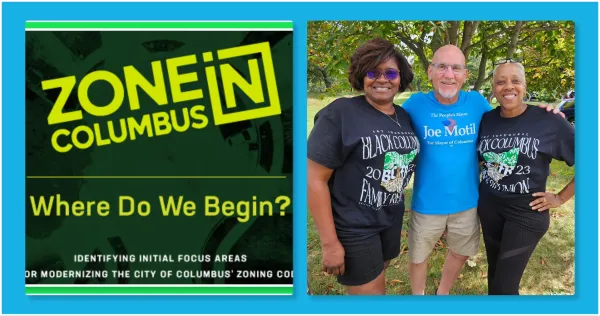
After two years and over $3 million later, Ginther and City Council once again showed their true colors and genuflected to those who have historically continued to control development policies in Columbus: the developers and the development community. And after all the bragging about how many people sent in comments, attended public meetings, and the creation of the Zone In propaganda gallery, that there were virtually no changes made to the city’s initial Zone In policy. Yes, a two-year dog and pony show that resulted in ignoring public comment.