
Feature
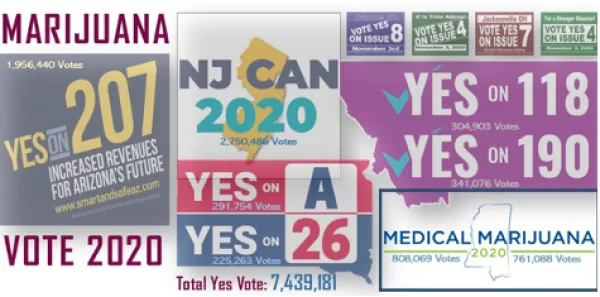
You did it! You flexed your electoral muscles and made history. Marijuana voters – all 13+ million of you, along with your legions of supporters – passed a full range of ballot issues and elected or reelected pro cannabis candidates. Let’s take a look:
Overall Vote. According to Bloomberg, as of 11/27/20, a record 156.7 million votes had been counted, with 4 million more to go. If these numbers hold, over 160 million voters or roughly 70% of the citizen voting population will have turned out for the 2020 election. Comparatively, that’s 38 million more than the 2018 midterms. At 82%, the highest voter turnout belongs to Colorado, undeniably a stoner state, and while only 53% of Ohioans cast ballots in 2018, 67% went to the polls in 2020.

Start your holiday shopping guilt-free on Black Friday at Simply Living’s annual Gift To Be Simple – a virtual auction of new and gently used items donated by members and supporters that runs Friday, November 27 through Saturday, December 5. The event includes a special screening of the new documentary Kiss the Ground, followed by a panel of local experts and farmers practicing regenerative agriculture in Central Ohio.
Simply Living members are scouring their homes to donate items they no longer need but could be just right for someone else. Real examples: a $100 espresso maker donated because the owner switched to instant coffee; a worm compost maker because the owner preferred a backyard option; a beautiful landscape oil painting that doesn’t quite fit now. One member loves the True Rest Float Spa and donated the “immersion tank” experience so others can enjoy it.
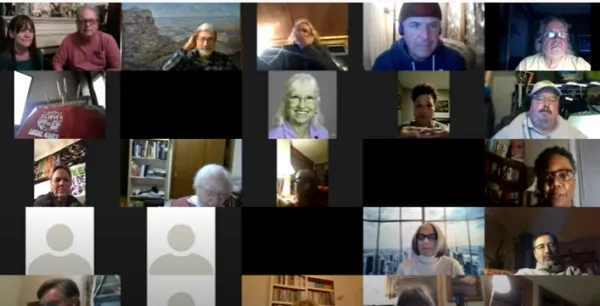
Did you miss the November Free Press Cyber-Salon? If so, here's a run-down of what happened and how you can be involved next time! View video recording here.
Our speakers were Dr. Bob Fitrakis, Free Press Editor, political scientist and Dr. Marilyn Howard, historian, Black Studies professor and author discussing the general atmosphere in the country now, racism, election integrity concerns and hopes for the future. Points of discussion were how some black males and again, white women, came out for Trump this election, and Kamala Harris’ record.
Mark Stansbery called for a “Peoples’ Forum on Political Economy and the next Regime.”
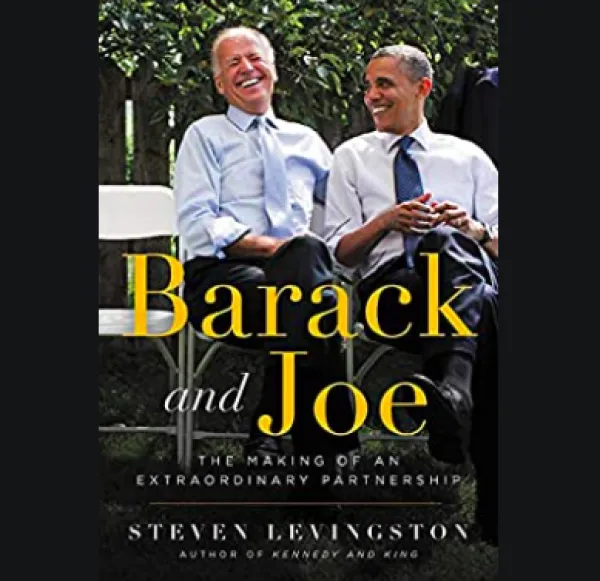
In 1903 while speaking of the fame and popularity of his nemesis, Mr. Booker T. Washington, W. E. B. Dubois, the premiere Black intellectual of his day said, “Easily the most striking thing in the history of the American Negro since 1876 is the ascendancy of Mr. Booker T. Washington.” Change a few words, and the same thing might be said of the unexpectedly close and warm friendship of former President Barack Obama and former Vice President Joe Biden.
Less than two weeks to go until Election Day – what can you do?
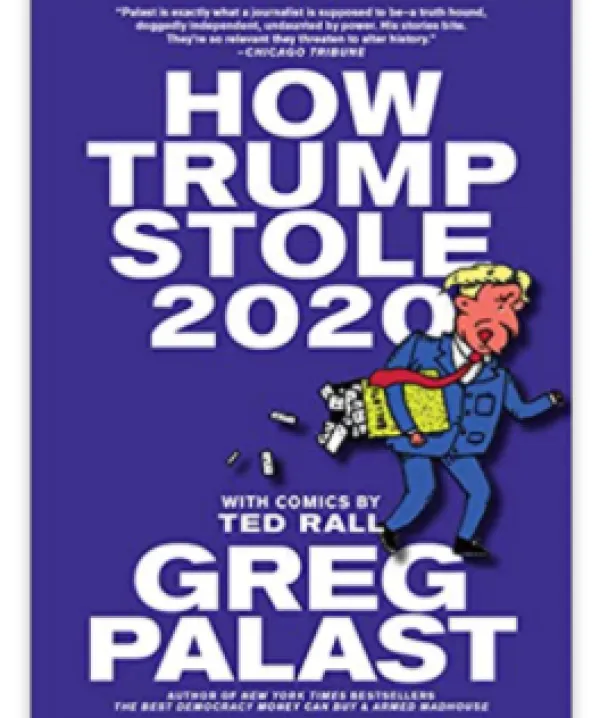
Begin by reading Greg Palast’s How Trump Stole 2020: The Hunt for America’s Vanished Voters and then go out and stop the theft.
Not only is Palast one of our premier investigative reporters he is also a great storyteller, and the best part, the stories are all factual.
This latest tome reads like a rogue’s gallery of real crime. Because they are rogues and they committed real crimes.
Palast came to notoriety in 2000 when he revealed the illegal voter purges in Florida that cost Gore the election. Back then he focused on Governor Jeb Bush and Florida Secretary of State Katherine Harris. In the new book he stalks, rightly, the likes of Georgia Governor Brian Kemp and documents in detail how he helped rig the election he ran against Stacey Abrams in 2018. Kemp used his power as Secretary of State to purge 665,677 voters, overwhelmingly Democrats.
Now Palast spells out the big purge states of 2020: Ohio with 432,000 axed from the voting rolls; North Carolina with 576,534 purged; Arizona with 258,000; and Wisconsin with 99,000.
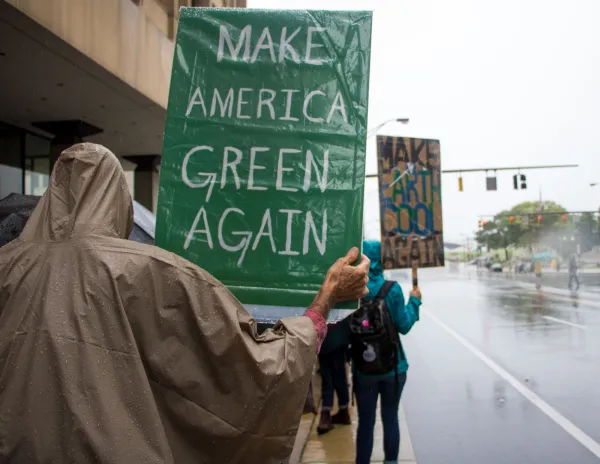
This November, voters in Columbus -- the 14th-largest city in the country -- will decide on Issue 1, while voters in Grove City -- Central Ohio’s largest and fastest-growing suburb -- will decide on Issue 10. Both initiatives would enact Community Choice Aggregation for 100 percent renewable energy.
If approved, Issue 1 and Issue 10 would allow each city to obtain bulk purchase rates for electricity for all eligible residents and businesses, without raising taxes or electric bills. By pooling together their electricity demand, Columbus and Grove City could get a better product for the same or lower price.
But there’s more. Through Community Choice Aggregation, these cities could work with a utility that’s ready to build out a local supply of renewable energy – new solar and wind projects that would create good-paying jobs in manufacturing, construction, and maintenance here in Ohio.
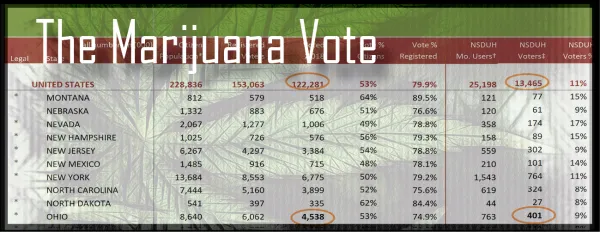
You have power! You can change history, seat candidates and govern policy, all with one simple act: voting. When enough people vote, they pick the winners … and losers … and seat individuals in the halls of government to enact their world view. In fact, with some exceptions, the ballot box begat marijuana legalization, from no fine no time local initiatives to ground breaking full legal constitutional amendments.
Cannabis consumers – aka voters – carry political clout. They are passionate about their cause and oftentimes vote single issue. They push progressive agendas that radiate outward from marijuana alone.
Marijuana vote, by the numbers.
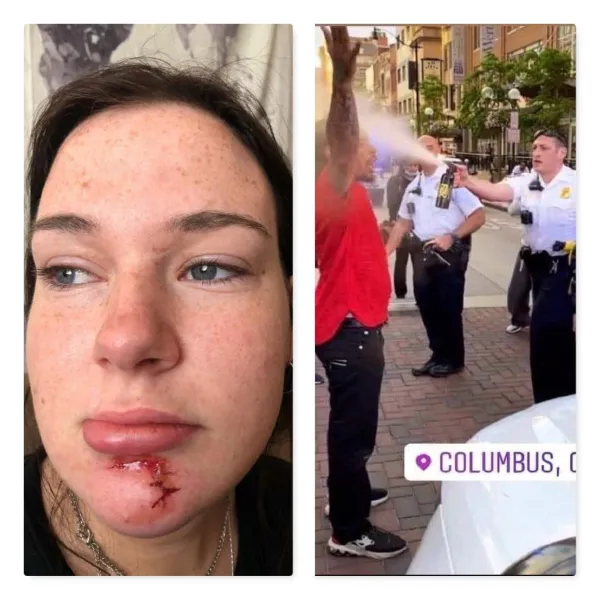
“Absolutely these are civil rights complaints of officers using excessive force and making false arrests. Automatically, (BakerHostetler) should have had more time. They had a clause that would have given them all the time they needed,” says Columbus attorney Fred Gittes
In the fallout of the BakerHostetler investigation, where the city spent half-a-million tax-payer dollars to fund what many are calling a “useless” investigation into the Columbus police response to protesters, one question raised is whether Mayor Ginther and City Council have true intentions or the resolve to make real change within the Columbus Division of Police?
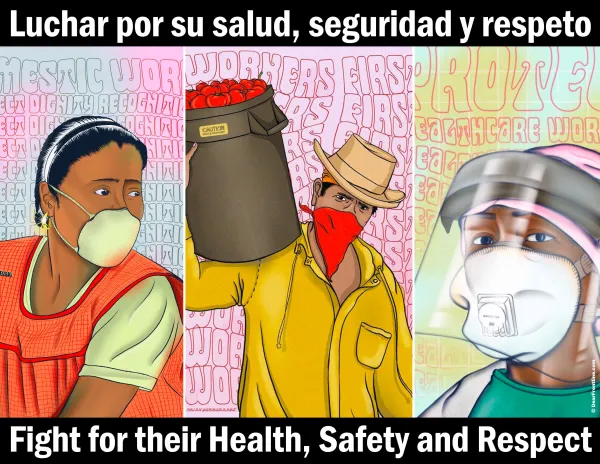
Earlier this week Lakewood, just west of Cleveland, became the first city in Ohio to pass a resolution supporting an Essential Workers Bill of Rights, as part of a new national campaign to deliver better treatment and pay to all “essential workers.” Today, Toledo did the same – both with unanimous votes.
There is no word from Columbus City Council whether it will consider a similar resolution. Several major cities have also passed resolutions supporting an Essential Workers Bill of Rights, as New York City Council did back in April. The bill has not passed as of yet though.
A national Essential Workers Bill of Rights was proposed earlier this year by Sen. Elizabeth Warren, which seeks to protect frontline workers by requiring employers to provide personal protective equipment, robust hazard pay, and provide 14 days of paid sick leave, among other proposals. The bill has stalled in the Senate, however.
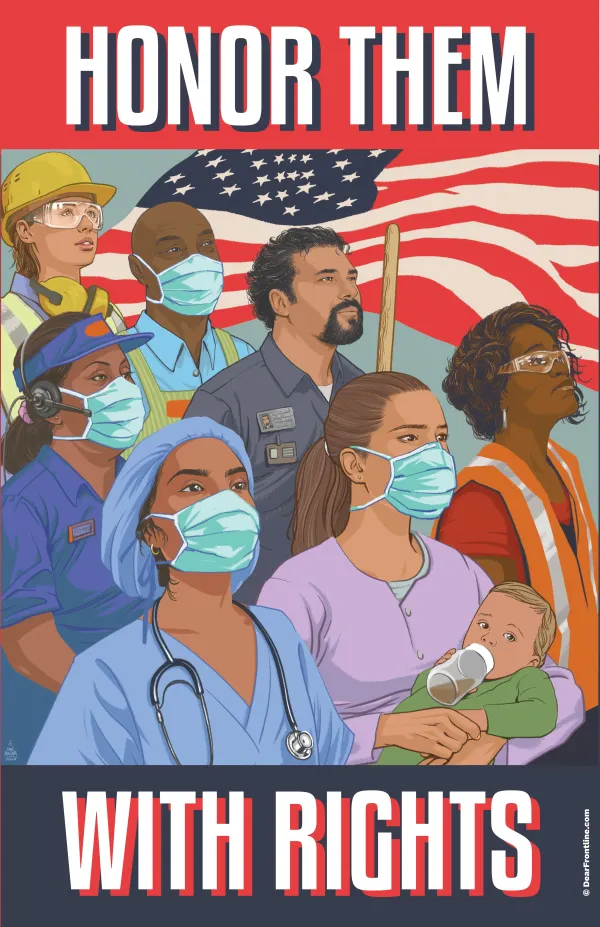
Toledo City Council last week made The Glass City the first in Ohio to take up a resolution supporting an Essential Workers Bill of Rights as part of a new national campaign to deliver better treatment and higher pay to all “essential workers.”
The resolution was introduced September 15th at a Toledo City Council meeting by Councilwoman Theresa Gadus. A vote is expected in October.
Toledo’s Essential Workers Bill of Rights largely reflects a national bill proposed earlier this year by Sen. Elizabeth Warren, which seeks to protect frontline workers by requiring employers to provide personal protective equipment, robust hazard pay, and provide 14 days of paid sick leave, among other proposals. The bill has stalled in the Senate, however.
There is no word from Columbus City Council whether it will consider a similar resolution. Several major cities have also introduced an Essential Workers Bill of Rights, as New York City Council did back in April.