
Feature
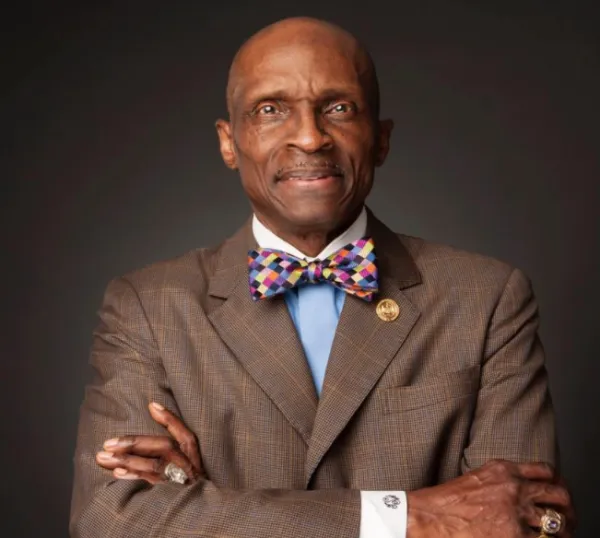
Reverend Doctor T. Anthony Spearman found himself in an unusual dilemma. He was greatly worried about private, for-profit commercial entities secretly coding voting machines. His concern was expected since he is a member of the Guilford County Board of Elections in North Carolina, representing the most populous area of the state, including the city of Greensboro.
On behalf of the North Carolina State Conference of the National Association for the Advancement of Colored People (NAACP) Spearman made a public request for information to all 100 counties in the state asking 31 questions centering around who was programming the voting machines in each county.
His August 24, 2020 letter states: “We are determined to protect the polls during the upcoming election. We are in unchartered times and we look forward to working with our County Boards of Elections, the state agency charged with overall responsibility for the administration of the elections to assure this election cycle is executed with integrity and everyone’s vote is counted and protected.”
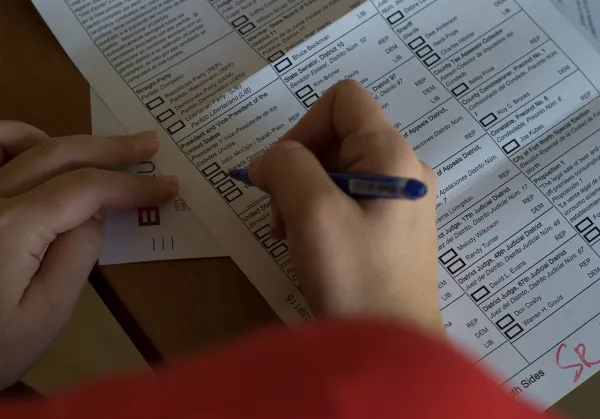
The Project focuses on the prevention and deterrence of vote tampering via corrupted election machine software.
In 1787, when he left Independence Hall in Philadelphia at the close of the Constitutional Convention, Benjamin Franklin was asked whether we had a republic or a monarchy. He responded: “A republic, if you can keep it.”
The United States Department of State observes elections around the world with international election observers. After a foreign election, the State Department either certifies the election was a free and fair election or refuses to make such a certification.
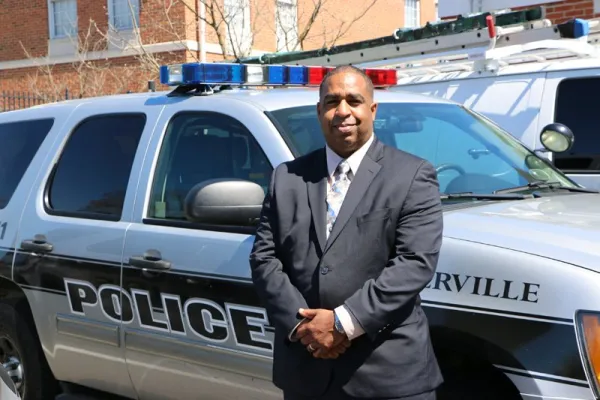
The struggle to make the Columbus Division of Police reflect the racial make-up of urban neighborhoods goes back nearly 50 years and perhaps longer. But even though federal lawsuits and demands to have more African Americans on the force have been ongoing for more than half-a-century, the number of Black Columbus police officers is still woefully short compared to the number of African-American residents.
Columbus police union’s FOP President Keith Ferrell has said “systemic racism” does not plague the division, but there is too much evidence showing the division’s hiring process has historically “removed many good Black officers,” several current and retired African-American Columbus police officers told the Free Press.
One question these officers raised is: Have Black and People of Color candidates been removed deliberately by systemic racism or is implicit bias to blame?
The Black officers told the Free Press they agree both factors have played a role in keeping their numbers down.
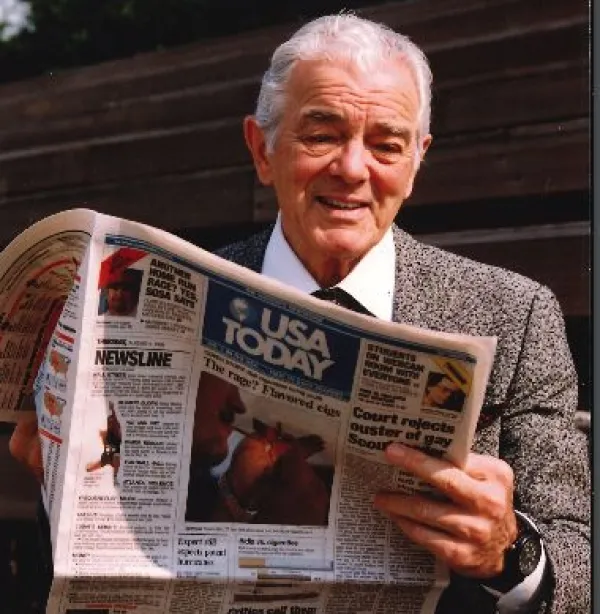
The Columbus Dispatch's corporate owners, the Gannett Co., are compelling it to become an honest, diverse newspaper. And you can blame the late, great Al Neuharth. I will explain shortly.
You would have to be a resident of outer space without satellite communication to not know that at the Dispatch, white men dominate the newsroom.
For as long as I can remember, the Dispatch and its companion websites have covered the news from the perspective of white men. Women, minorities, people practicing alternative lifestyles and the young have gotten the short shrift.
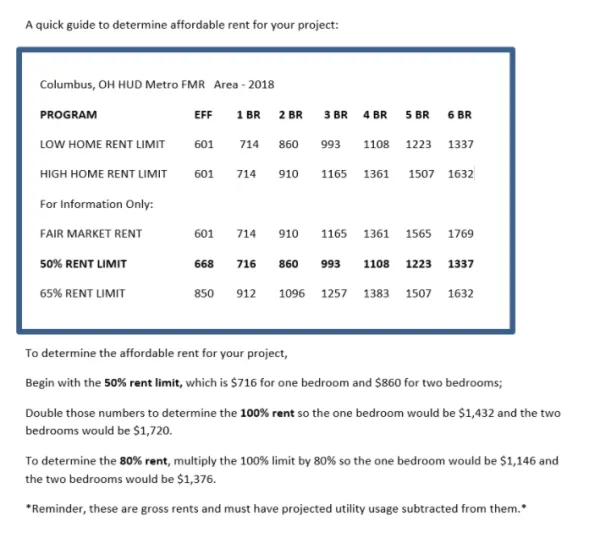
In Columbus, the housing crisis is everywhere. People who have been left behind are begging on street corners. For those with housing, rents have skyrocketed, smaller landlords and properties have been bought up by massive corporations, and tenants have been forced to renew their leases or look for a new place to live sooner and sooner after moving in. "Affordable housing" has become a regular topic for city officials challenged by a frustrated public. But what does Columbus think "affordable housing" looks like?
The document above is connected to Columbus's infamous tax abatement policy--through which many large developments in our city pay zero property tax for years. That policy requires some developments to have 20% of housing units set aside for "affordable" housing: 10% to be "affordable and rented to households making up to 80% AMI [Area Median Income]" and an additional 10% "affordable and rented to households making up to 100% AMI".
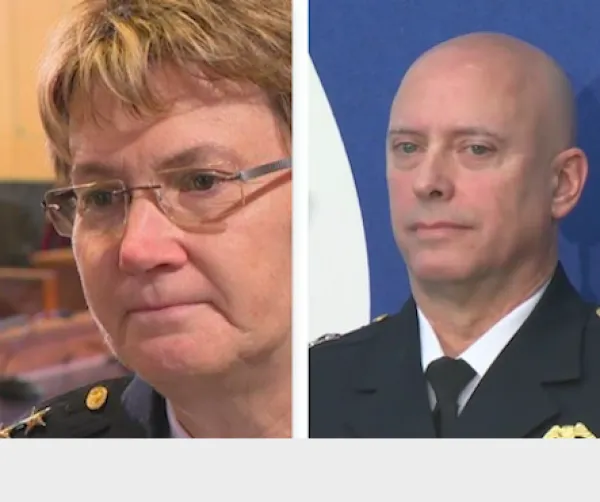
Mayor Ginther and the City of Columbus have launched at least two independent investigations into the Columbus Division of Police, and the Mayor recently pronounced that “holding bad cops accountable is critical so we may support the vast majority of officers who are committed to keeping our neighborhoods safe.”
But according to several Columbus police officers, the greater problem within the Columbus Police Division is not a few bad apples, but a group of high-ranking white commanding officers.
These officers of lower rank who spoke to the Free Press refer to this high-ranking group of commanding officers who are Caucasian as the “corrupt regime” or the “cabal.”
They all agreed this “clique” has a vice grip on how the department is run and how it polices Columbus. None of the officers who spoke with the Free Press for this story allowed us to use their names out of fear of losing their job.
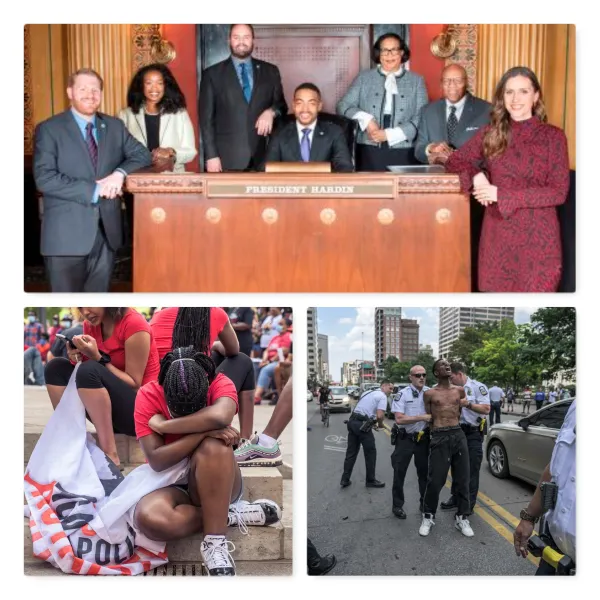
The Columbus Way is what our city leaders call the public/private partnerships that have been used to dress up and showcase the 14th largest city in the U.S.
Former Mayor Mike Coleman’s approach, and continuing under Mayor Ginther, has been successful in developing dozens of projects – the Arena District and Huntington Park, Columbus Commons and Bicentennial Park, the Scioto Mile, the Veterans Memorial, and the Crew Stadium, to name a few.
Here’s an apt description from Smart Columbus, another project that exemplifies the partnership approach:
“The concept of ‘The Columbus Way’ describes the unique community collaborations between the city, the businesses headquartered and located in the region, and nonprofit and academic institutions that make up the Columbus community. A 2015 Harvard Business School case study coined the phrase, capturing a decades-long spirit of collaboration that has been repeatedly tapped to tackle big challenges in central Ohio and transform the region into a world-class destination.”
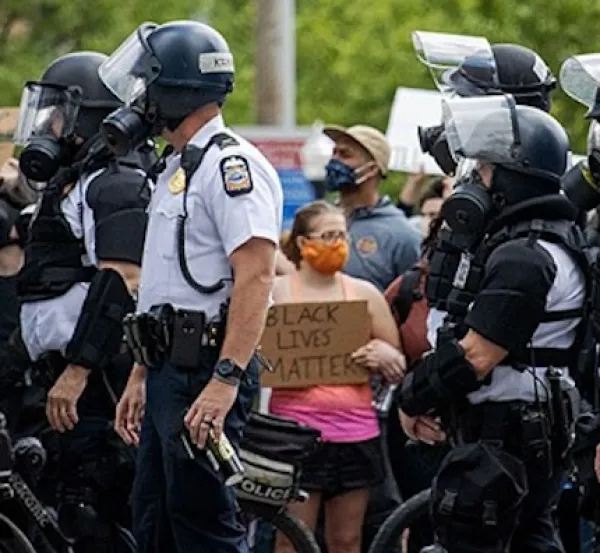
Have Columbus city officials ever demanded the Columbus Division of Police to aggressively enforce the law so to generate revenue for the city?
While such a direct demand might not have happened in Columbus, the Department of Justice (DOJ) investigation on the Ferguson Police Department in 2014 exposed that financial crisis’ can cause this very kind of demand from a City to its Police Department.
After the killing of 18-year-old Ferguson, Missouri resident Michael Brown at the hands of a white officer in 2014, the DOJ uncovered overwhelming evidence that policing is not always about protection - it’s also a tactic Ferguson city officials demanded from their police force to generate revenue.
After the 2008 financial crisis, cities like Ferguson needed ways to generate more revenue. So in March 2010, Ferguson’s City Finance Director wrote an email to its chief of police:
How do protesters move from our downtown streets to force real change in Columbus police?
It is a daunting challenge when you consider over the previous decades all the promises Columbus police, the Mayor(s) and City Council members have made to end police brutality.
Promises they never or couldn’t keep – since 2013 Columbus police have killed 40 people, 27 of whom were black, but only one case of police misconduct over the previous 20 years (within the now-disbanded VICE unit) has resulted in any indictments.
Mayor Ginther, Chief Quinlan and his commanding officers have chosen to sit down three times over the previous weeks with one protest group in particular. But we refuse to name this group because there questions as to who they exactly are.
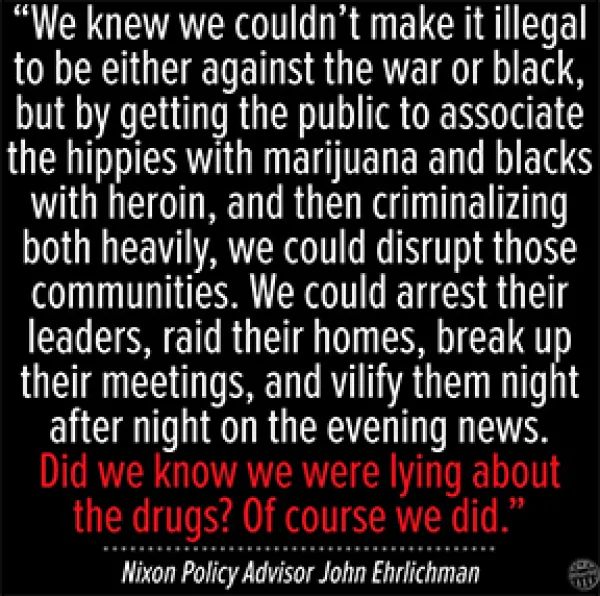
There’s an old saying: by their deeds shall ye know them … Or, is it by their words, or by their legacy? Race has become one of the most divisive matters of our time. Sparked by the murder of George Floyd at the hands of police, Americans are experiencing a reckoning with their ghosts of the past. What causes disproportionate use of force? Why are Blacks disadvantaged? What needs to change?
One public policy that may lie at the root of these evils is the “War on Drugs.” Some blame no-knock warrants, militarized police, bloated prisons and sentencing disparities on the drug war. Does this mean it’s racist? To answer this question, let’s start with deeds.
What is the “War on Drugs”? It’s essentially a government led zealotry to halt use, distribution and trade of selected drugs through long “tough on crime” prison sentences for both dealers and users. It’s prohibition (minus the alcohol) made global by the United States over the last 100 years.