Human Rights
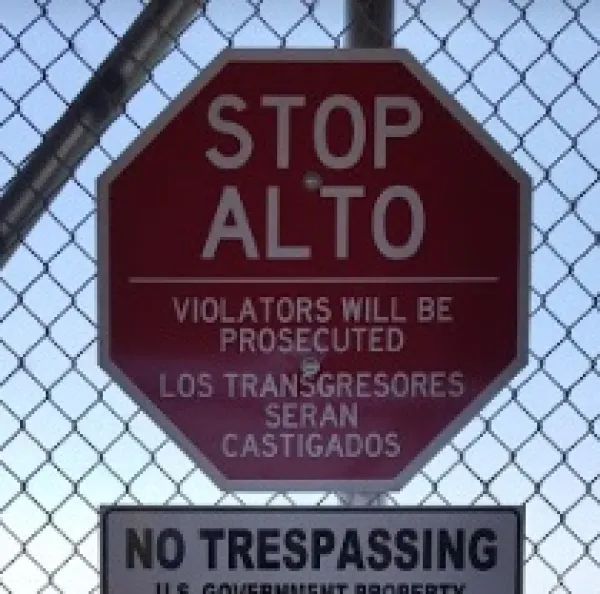
I had the opportunity to visit immigrants in detention centers at our country’s border and witness their experiences. Big Kellie and little Kellie, founders of Love without Lines, and myself, the founder of 1DIVINELINE2HEALTH, saw firsthand 250 folks sleeping on concrete floors and in 20 tents at the bridge. Some of the people had not begun their immigration paperwork, while others were awaiting their date to meet with an official.
We worked for a week with the Angry Tías and Abuelas (aunts and grandmothers) and the Brownsville Team who feed the immigrants twice a day and provide for their basic needs. Thanks to the generosity of charitable Columbus residents, we brought with us hygiene products for the families, including zinc oxide, diapers and waterproof diapers for babies with fungal infections.
The number of people living with HIV in the U.S. is decreasing. With the advancement of antiretroviral therapy, people living with the condition can experience viral suppression and longer life expectancy. However, around the world, HIV remains one of the most serious public health challenges. In 2017, more than 36 million people were living with HIV/AIDS. Of these, 1.8 million were children under the age of 15.
One subset population that is often forgotten in the war on AIDS are those people living in refugee camps. People seeking refuge from countries with higher-than-average HIV numbers and no treatment can spread the disease throughout a camp quickly. Refugee camps in the U.S. and other countries lack HIV education and treatment. Healthcare is a human rights issue that Americans often take for granted. We must gain a better understanding of this issue so that we can demand assistance for those living in camps and advocate for better HIV programming.
On Wednesday, August 7, I had the opportunity to attend a meeting for an activist group called RAID. RAID stands for Resistance Against Immigrant Detention. The goal of RAID is to stop the Department of Homeland Security and the Immigration and Customs Enforcement, commonly known as ICE, from mishandling and mistreating those they deem as "illegal."
I'd noticed that the group consisted primarily of younger activists, mostly in their 20s. During the meeting, I noticed they were very quick to embrace the fact that they were all from various leftist factions united against the same cause: The liberation of immigrants from the clutches of ICE. One thing they emphasized was their desire to be directly involved in their communities with actions such as protests and so forth. One of the leaders there named Jorge saw that the United States' policy towards Latin America has been imperialistic and that this current mistreatment of Latin Americans within the United States is an extension of the United States' policies that are negative towards Latin America dating back almost 200 years. Jorge said that this movement "Has to be Anti-capitalist in nature."
Author Esther Flores is a registered nurse and the founder of 1DIVINELINE2HEALTH, a 501c3 public charity. Their mission is to eliminate human suffering locally and globally via compassionate messengers through a holistic approach. They are 100 percent solution-driven and community-funded. The organization is client-centered vs. system-centered. Seventy percent of their monetary donations go towards serving human trafficking victims and the remaining 30 percent goes towards loans, property taxes, insurance, maintenance and other costs. Flores is an abolitionist, with an addiction to love in the Columbus Jungle – a type of love that demands action and transparency. 1DIVINELINE2HEALTH defines compassion by using their human resilience as they meet hurting folks where they are at, never empty handed, which include the street outreach in a red commercial truck the victims call the “love bug.”
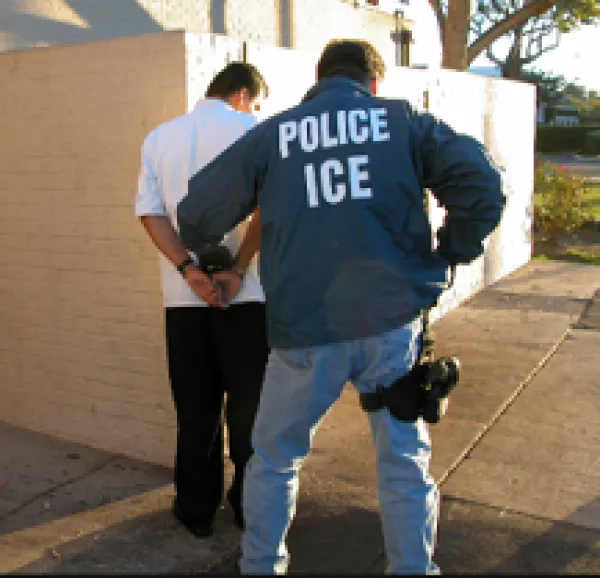
On July 22, 2019, the Trump administration passed an executive order that expands the implementation of the expedited removal process, which can fast-track deportation procedures for persons detained by I.C.E. (Immigration and Customs Enforcement) agents, often without many of the legal protections typically afforded to those being deported from the U.S. According to the notice published by the Department of Homeland Security, individuals can now be deported, without a hearing in front of a judge, if they have “not affirmatively shown, to the satisfaction of an immigration officer, that they have been physically present in the United States continuously for the two-year period immediately preceding the date of the determination of inadmissibility.”
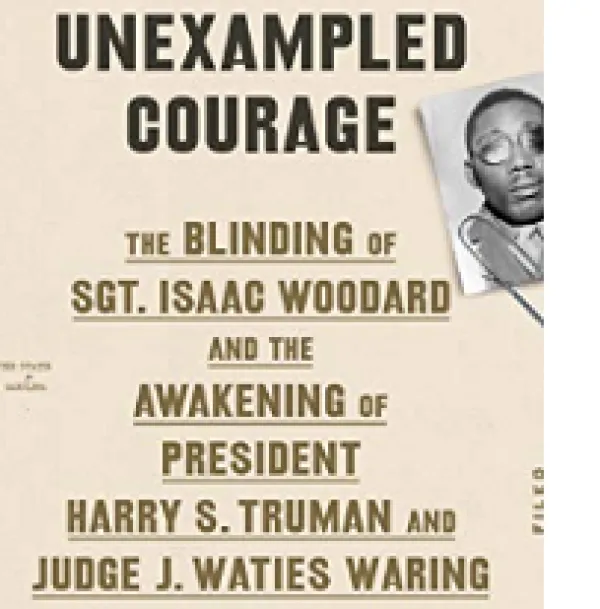
I tell the students in my African American History Post-Emancipation class that the blinding of Sgt. Isaac Woodard is the police beating that time forgot. Woodard had been discharged from the United States Army in 1946. A decorated veteran, he left Camp Gordon in Augusta, Georgia, on his journey home. A short distance from Augusta, there was a rest stop, and Woodard asked if he had time to visit the restroom. He and the driver exchanged words, but he was allowed to go. In Batesburg, near Aiken, Georgia, the drive stopped, notified the police, and Woodward was put off the bus. Several police asked Woodard for his discharge papers, and then took him to an alley nearby and beat him. He was then arrested for disorderly conduct and put in jail. During the night, Lynwood Shull, the chief of police jammed Woodard in the eyes with the end of his nightstick, allegedly because he said yes, instead of yes sir.
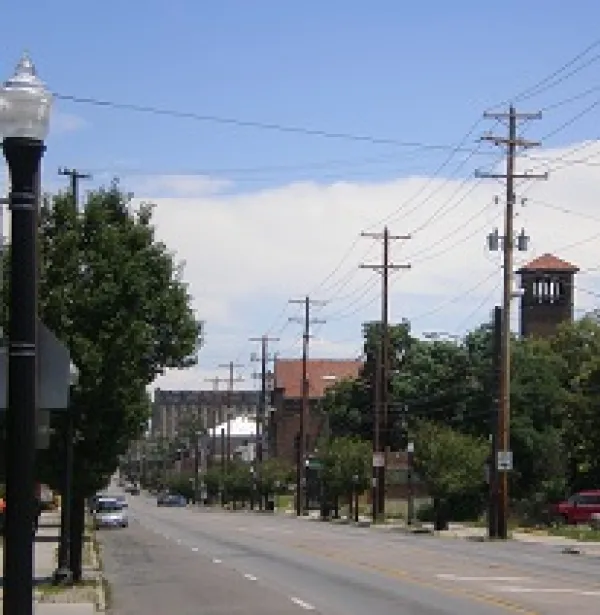
The Near East Side has become one of the trendier places of Columbus in recent years. However, it was only a half-century ago this month that the Near East Side had a completely opposite story to tell. A story that has helped give the neighborhood a negative perception for decades. The Near East Side of 2019 is a long cry from the Near East Side of 1969. Or is it?
The day was Monday July 21, 1969, the day after the historic Apollo 11 Moon Landing. David Chesnut, a 69-year-old white businessman on 832 East Main Street fatally shot Roy Beasley, a 27 year-old Black sanitation worker for the City of Columbus who lived in the home directly behind Chesnut’s dry cleaning business, The Pad and Pillow Place, when the two got into an argument over Beasley’s three children playing on Chesnut’s property.
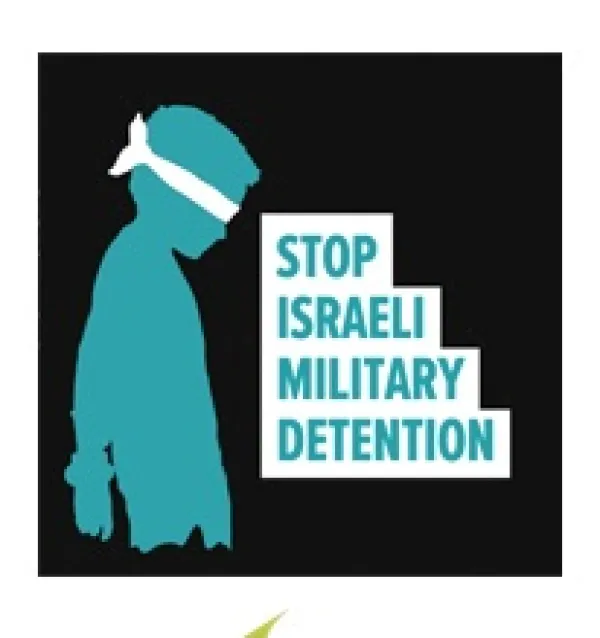
Jewish Voice for Peace, along with many other national organizations, is a campaign partner of the “No Way to Treat a Child” campaign that seeks to challenge Israel’s prolonged military occupation of Palestinians by exposing widespread and systematic ill-treatment of Palestinian children in the Israeli military detention system. This is a project of Defense for Children International – Palestine (DCI-P) and American Friends Service Committee. The Central Ohio JVP Chapter is actively supporting this campaign.
Israel is the only country in the world that arrests and tries minors under military law. Currently, Israel prosecutes between 500 and 700 Palestinian children in military courts each year. Palestinian children in the West Bank, like adults, face arrest, prosecution, and imprisonment under a military detention system that denies their basic human rights and violate international law.

There are ways for straight and cis people to be supportive to the LGBTQ+ community that are more impactful than attending a Pride parade as an onlooker or marcher:
1. Volunteer with organizations that are putting on Pride events doing the work that is least fun – do trash pick up, help out in the parking lots, do clean up after the event. These roles are often filled by LGBTQ+ people who are missing out on the fun while allies are enjoying the festivities.
2. Offer to watch the children of LGBTQ+ people so they can attend parades and other events without children, if they want a kid-free day. Also, offer to do this for the evening events.
3. Give money to LGBTQ+ organizations, especially those that center trans folks and people of color.
4. Spend your money at LGBTQ+ owned businesses on days Pride isn’t happening.
5. Buy tickets to Pride events and offer them up to LGBTQ+ people. Some events are pricey and not all LGBTQ+ people can afford to go.
6. Drop LGBTQ+ people off and/or pick them up from the Parade. The traffic is wild and rides would be appreciated.