
Human Rights
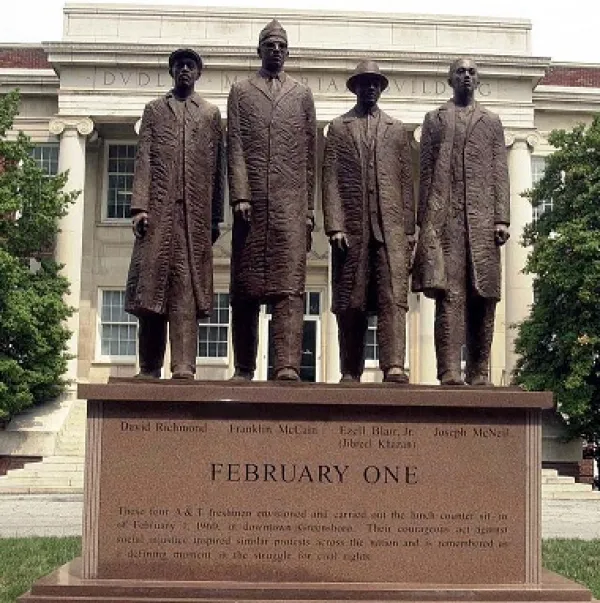
Staement from the Columbus Freedom Coalition:
The Google Doodle today honors the Greensboro Four, African American students in North Carolina who took a stand against racial injustice by staging a sit-in at a Woolworth’s counter. As you are no doubt aware this was a controversial stand. People were made uncomfortable as their world view was being challenged by the actions of these 4 young men.
I imagine that the individuals in the room on Monday January 20, 2020 at the Columbus MLK Celebration were uncomfortable. Yet it seems they were also oblivious. As they displayed utter disregard for the teaching and example of the man they had assembled to honor.
Dr King’s example of nonviolent protest was on display as members of the Columbus Freedom Coalition staged a protest at the Greater Columbus Convention Center event. I applaud CFC’s efforts. Remember Dr. King said, “The nonviolent approach does not immediately change the heart of the oppressor. It first does something to the hearts and souls of those committed to it. It gives them new self-respect; it calls up resources of strength and courage they did not know they had.’
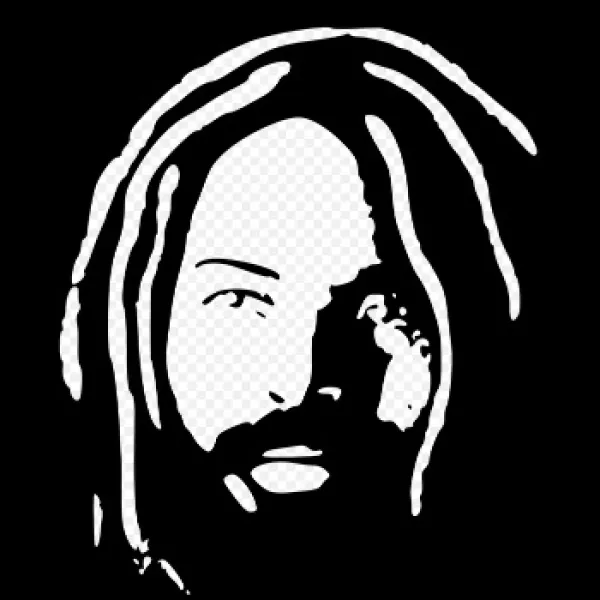
Philadelphia, Jan. 30 - Mumia Abu-Jamal has always insisted on his innocence in the death of police officer Daniel Faulkner, blaming police, judicial and prosecutorial misconduct for his politically-tainted conviction. Philadelphia District Attorney Larry Krasner is expected to announce his response this week to the legal briefs for Post Conviction Relief Act hearings and the request to remand Abu-Jamal's case back to Common Pleas court, filed by his attorneys in early September 2019.
Abu-Jamal’s supporters will rally outside DA Krasner's office at 4:30 on Friday, January 31, whether or not he challenges Mumia's appeals. We call for Mumia’s release.
Recent exonerations of 10 Philadelphia residents unfairly convicted for crimes they did not commit reveal a simple truth - the Philadelphia police, courts and prosecutors convicted innocent Black men based on gross violations of their constitutional rights. The same patterns of constitutional violations plague the case of Abu-Jamal.

Kelly Escobar, Columbus homemaker, was in the throes of United States’ Independence Day on July 4, 2019, yet feeling helpless because of the news that U.S. detention camps were turning people away who were trying to donate necessities to children separated and jailed by Trump’s Zero Tolerance immigration policy.
She was baffled by the cruelty of our government as it justified family separation and locking kids up on concrete floors without beds or proper blankets, other than an aluminum “space blanket” to keep them warm.
That was the day Ms. Escobar also found out about makeshift camps full of people on the Mexican side of the border and reports that the growing number there were stuck in limbo for months awaiting their chance to make application for asylum.
She saw this as an opportunity to help...not stateside, but on the Mexican side.
She emptied her bank account, packed her bags and possessions in her car and drove to a camp in Matamoros, Mexico, located just south of the Brownsville, Texas border.

Back in October at the historic federal opioid lawsuit in Cleveland, Cardinal Health and other opioid distributors were several hours away from opening statements. But then a settlement was reached by two Ohio counties, Summit and Cuyahoga.
Outside the courtroom waited several parents who’s pain pill addicted children had moved on to heroin and overdosed. The settlement was another bitter blow as they seek closure. Because it meant Dublin’s Cardinal Health and others made no admission of wrongdoing.
The Summit and Cuyahoga County’s case was a bellweather trial which will lay the groundwork for hundreds of other cases across the country.
The two counties settled for $260 million. The Free Press did the math: The CEOs of the companies that settled had a combined annual salary of $66 million in 2018. Thus the total settlement amount is equal to four years of these CEO’s annual earnings.

The United States has a history of churches offering sanctuary to people without papers.
In the early 1980’s, American churches provided safe haven for Central American refugees fleeing civil conflict.Forty years later, the sanctuary movement is responding to federal immigration policies that makes obtaining asylum difficult, if not impossible.
In the past two years, organized religions are offering their buildings as sanctuaries for people without papers who are under threat of deportation and separation from their children. This is not a new threat...it’s been happening for decades for various reasons.
A local case is Miriam Vargas, who along with her two young daughters, has been living at the First English Lutheran Church near downtown Columbus, Ohio since July 2018. There are several other denominations that offer similar types of sanctuary for people without papers. Edith Espinal has been fighting deportation in sanctuary at the Columbus Mennonite Church for two years and is currently on a hunger strike, waiting for a visit from Senator Sherrod Brown, as we go to press.
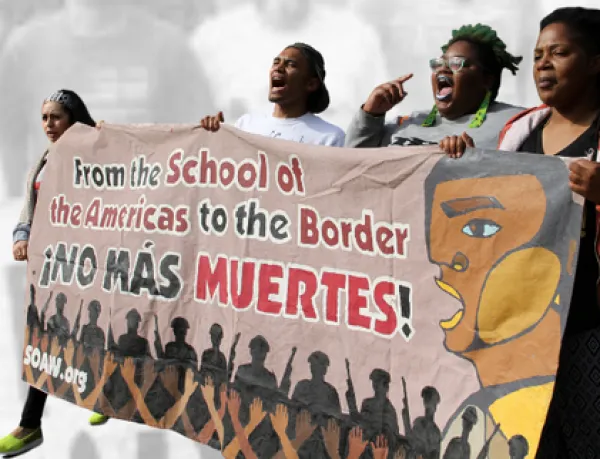
This year, hundreds will gather at the gates of the School of Americas (SOA)/The Western Hemisphere Institute for Security Cooperation (WHINSEC) at Fort Benning, Georgia from November 15-17, as Latin America again experiences violent repression by US-trained and funded state forces.
The good news
As 2019 is coming to an end, the 1DIVINELINE2HEALTH Love Tribe survived purely on faith, hope, and love. These key ingredients expose the human suffering on Sullivant Avenue by sounding the trumpet of injustice through the written word, media, and by exercising the First Amendment of the U.S. Constitution. As a result of the word of our services for the sick and victims of human and drug trafficking and injustices – both locally and globally – has been promoted, the Love Tribe has expanded.

To Whom it May Concern:
In October of 2017, President Trump declared the opioid crisis a public health emergency. Ever since, the Trump Administration has applied an all-of-government type approach to the epidemic, taking an extraordinary range of actions that reflect the President’s commitment to stopping the crisis in its tracks.
Until the summer of 2019, I never felt the direct effects of the opioid epidemic. In August of 2019 I lost a loved one to an overdose. I made it a personal goal that day to find ways the drug epidemic could be more effectively combated. The President of The United States declared the epidemic a public health emergency, so what could Columbus do to better contribute locally?
During my quest to answer that question, I spoke to numerous Columbus police officers, two Franklin County Deputy Sheriffs, a Whitehall Narcotics Officer and two Columbus Drug Enforcement Agency agents. I also obtained the Columbus Police Narcotics Bureau Annual Reports for 2015-2016-2017 and 2018 through a public records request. This is what I found….
“The mission of the Narcotics Bureau is:
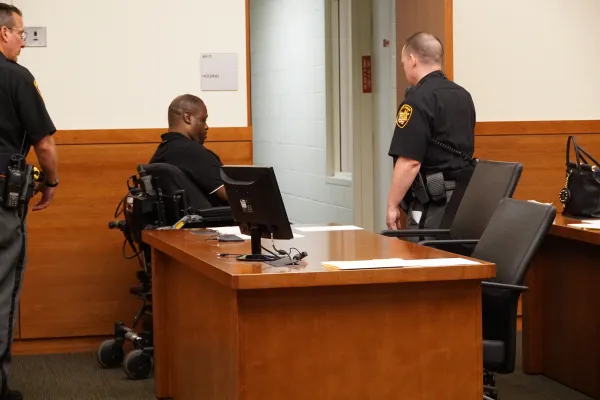
The first bullet entered under her left arm. The second bullet entered her left breast – inches from her heart – after grazing her hand which required microsurgery, collapsed her lung, and chipped her rib.
Diona Clark suffered this gruesome attack from her ex-boyfriend September 2005. Miraculously, she survived and is organizing the Fourth Annual Speak Up Speak Out: Domestic Violence Survivors Conference October 26 from 10am-1pm at the Columbus Health Department at 240 Parsons Road in Columbus.
Her ex, Larry Belcher, was sentenced to three years in prison this May, for nearly killing her 14 years ago. Clark told the court, “I don’t think he is remorseful for what he has done to me.” The judge rejected Belcher’s assertion that he may have been the victim, since Belcher had brought his gun to her house upset because she broke up with him.
Clark said Belcher showed her the gun. He said he would kill himself. Clark tried to persuade him not to kill himself, and then to let her go. He shot her as she tried to leave, and then shot himself as she ran calling for help.

“Trump Recession”
A specter is haunting the market – the specter of a “Trump recession.” This specter is certainly spooky. The self-described Tariff Man, misusing the authority that Congresshad unwisely delegated to the presidency, has recklessly waged a “trade war” by tweets. Under Trump, the US tariff levels have been hiked to emerging market levels, costing the average US household an estimated $1,000 per year. Worse, the sheer unpredictability of the course of the trade war has prompted corporations worldwide to postpone investment, slowing economic growth. If not counteracted now, it may even trigger a recession.