
Human Rights
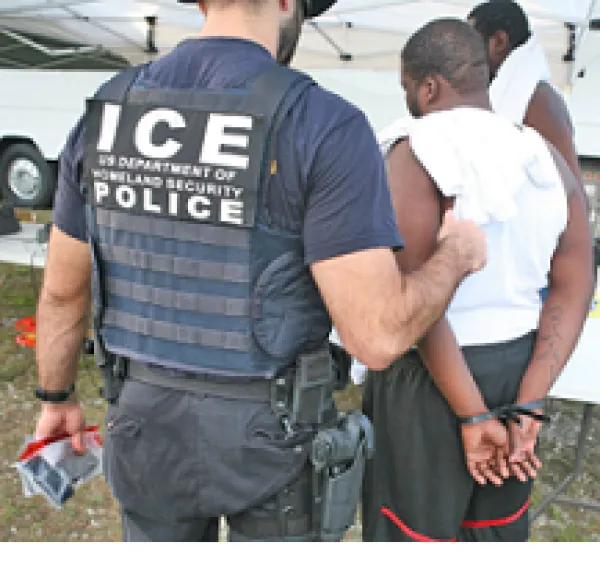
It’s easy to nowadays to casually flip through the newspaper, “Such a shame,” we say. Crying babies and images of ICE agents cover the front page. “Too bad, those poor kids.” And yet we turn to the next page; these are only problems in border states. Besides, it doesn’t affect us...right?
Each day, it seems, new foreign policy changes appear in the newspaper headlines: increased border security to deter Central American illegal immigration, harsher and speedier deportation laws, the end of the DACA program, as well as the proposed travel ban which would limit travelers and immigrants from Chad, North Korea Venezuela, Iran, Libya, Somalia, Syria, and Yemen.
We skim these headlines, our eyes glancing over writers addressing important questions; What would America be without its immigrants? More importantly, how would the immigrant policies affect our local communities?
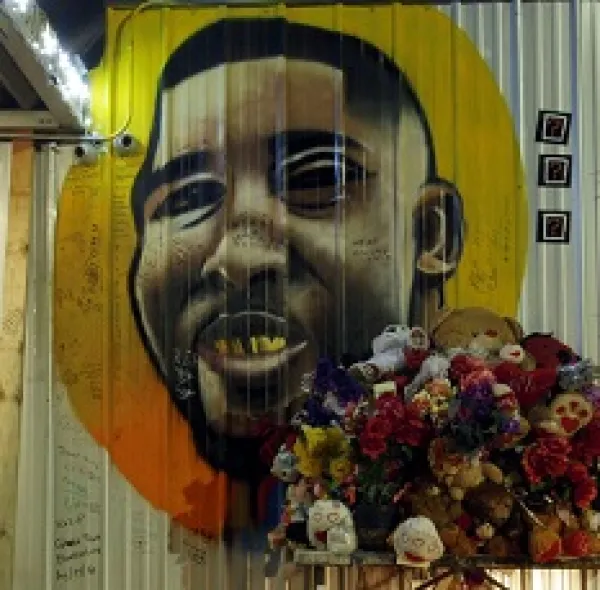
On March 27th, 2018, once again, the legal “authorities” made the same decision that seems to be the norm when it comes to police officers killing black man and boys “in the line of duty.” What decision did the Louisiana officials make regarding the fatal shooting of Alton Sterling? A black man that was seen, not alleged, but seen, laying on his back while two police officers held him down and shot him dead. They made the decision that police officers are not held responsible for killing citizens, especially black citizens, and will not be charged with murder when it is very clear, through visual evidence, that murder was committed.
Police officers getting off with killing black boys, or anyone for that matter, isn’t always the case. The police officer who shot unarmed 15-year-old Jordan Edwards in 2017 was charged with murder in Texas within a week of using his rifle to shoot into the car that Edwards was sitting in, with three other black boys, at a house party. This past March in Minnesota a police officer was indicted with murder charges for shooting 40-year-old Australian woman, Justine Damond, when police responded to her 911 call.
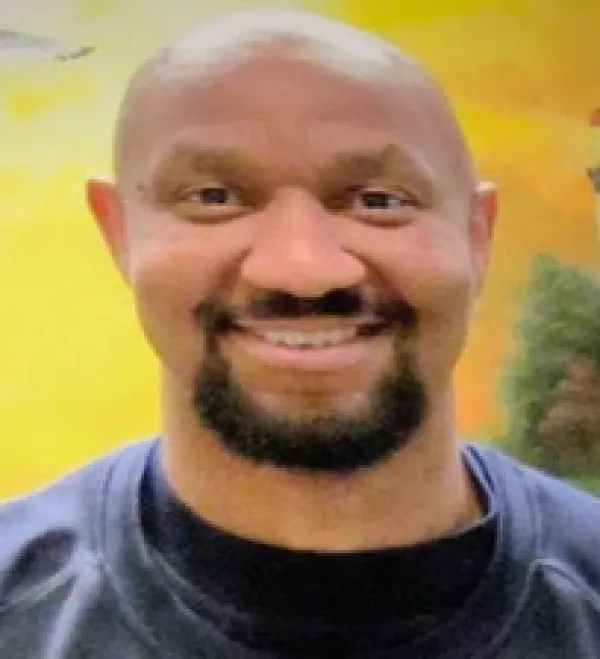
On Monday, March 26, Governor Kasich commuted the death sentence of William T. Montgomery to life without parole. And he did so because of you and about 122,580 others who took action asking him to commute. On behalf of William T, I want to thank you for signing the petitions, making phone calls to the governor and helping OTSE reach as many people as possible through social media. There are scores of organizations to thank and dozens of people who worked to make this commutation a reality. The Columbus Free Press highlighted his case thier March 2018 issue.
If you'd like to thank Governor Kasich for commuting, go ahead and send him a thank you card with a personalized note. Governor Kasich's mailing address is:

March 14, 2018 marks one month since the shooting at Marjory Stoneman Douglas High School in Parkland, Florida, which left 14 students and 3 staff members killed and many others wounded or injured. Women’s March Youth EMPOWER is calling for students, teachers, school administrators, parents and allies to take part in a #NationalSchoolWalkout for 17 minutes (in honor of the 17 lives taken in the tragedy in Parkland) at 10am across every time zone on March 14, 2018 to protest Congress’ inaction to do more than tweet thoughts and prayers in response to the gun violence plaguing our schools and neighborhoods.
The advent of #MeToo has revealed so many sexual predators who used some form of emotional abuse or manipulation to get what they truly want, perhaps we should begin thinking of new laws to protect women from predators who spring emotional traps to have sex.
I served in Iraq and was the only female in my platoon. We faced constant threat by the enemy, and I faced daily misogyny and sexual tension from my fellow soldiers. Eventually I was raped by another soldier and now suffer from Post-Traumatic Stress Disorder (PTSD). My predators never faced any consequences. I served my country and survived to advocate for other female soldiers, and now for #MeToo.
You may not be in the know, but what follows is a short list of dangerous and abusive ways to emotionally manipulate women or men, for that matter. Emotional abuse leaves no physical scars, but can be devastating to a person’s psyche causing years of anxiety and depression. And now that our dating scene has been aggrandized, simplified and hyper-sexualized by Tinder, Grindr, and the like, perhaps it’s time emotional abuse is treated by the law in similar ways physical abuse is treated.

On January 23, 2018 in Kentucky a 15-year-old male student brought a handgun into Marshall County High School and killed two students and injured eighteen others. On Valentine’s Day a 19-year-old male student brought a AR-15 rifle to Marjory Stoneman Douglas High School in Florida and killed 17 students and teachers. The next day in West Palm Beach a Port St. Lucie 14-year-old male brought two guns to school after making threats to “shoot up” the school. It’s reported that his mother insists the threat was a “joke.”
On February 19, five days later, a Florida Forest Hill High School 18-year-old student was charged with bringing a knife to school. He also had a gas mask and three days before had referred to the Las Vegas mass shooting to his classmates. On February 20, six days later, an Ohio Jackson Middle School seventh grader brought a gun to school and shot himself in the bathroom.
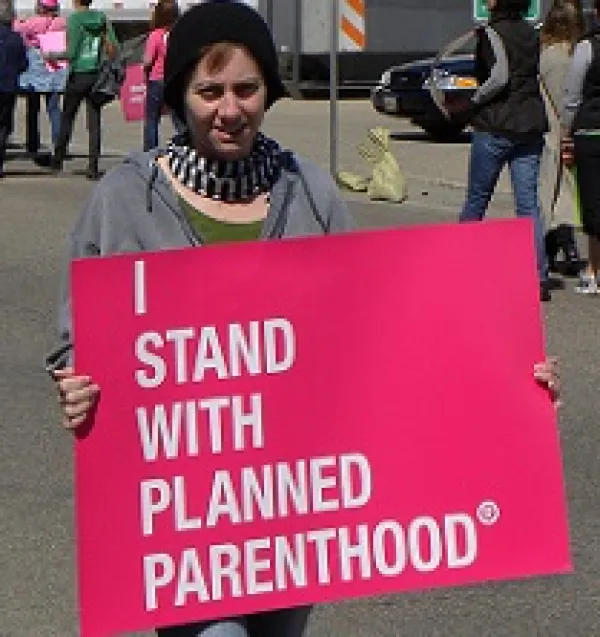
On Thursday, February 15, 2018. Planned Parenthood of Greater Ohio joined a lawsuit challenging an Ohio law that criminalizes abortions when one of the reasons for the abortion is because of a prenatal genetic test with a diagnosis of Down syndrome. The American Civil Liberties Union of Ohio and the American Civil Liberties Union Foundation, on behalf of Preterm Cleveland and a number of other abortion providers in Ohio, including Planned Parenthood Southwest Ohio Region, filed this lawsuit earlier today in the United States District Court for the Southern District of Ohio in Cincinnati.
Students For Opioid Solutions, a grassroots movement to prevent opioid deaths on college campuses, is proud to announce that February 7, the Undergraduate Student Government at THE Ohio State University unanimously passed SOS’s trademark legislation.
This legislation will reduce the number of deaths from opioid overdoses on college campuses to zero through a five part process: 1) Pass student government legislation calling upon school administrators to require that residential life and campus police officers receive training in the recognition of an opioid overdose. 2) Encourage residential life staff to receive training in the use of naloxone and either carry it or have reasonably quick access. 3) Ensure that schools record and report the number of opioid overdoses and deaths in their annual public drug and alcohol report. 4) Ensure amnesty for students who report overdoses. 5) Enact a Good Samaritan clause protecting students who come to the aid of someone suffering from an opioid overdose.

Even in the age of Trump, there are wins. Chief Wahoo, the Cleveland Indians’ longtime mascot, is finally heading for the showers.
For decades my indigenous buddy Mark Welch trekked up from Columbus, Ohio to opening day at the Indians Major League Baseball stadium in Cleveland. He and fellow activists—indigenous and otherwise—would stand outside the gates of Progressive Field with signs demanding the team get rid of its god-awful, cringe-worthy, ridiculously offensive logo. The damn thing is a big-nosed, buck-toothed, feather-headed idiot grinning about something that made no sense.
The team hasn’t won a World Series since 1948, when it adopted a previous, even more offensive version of that logo.
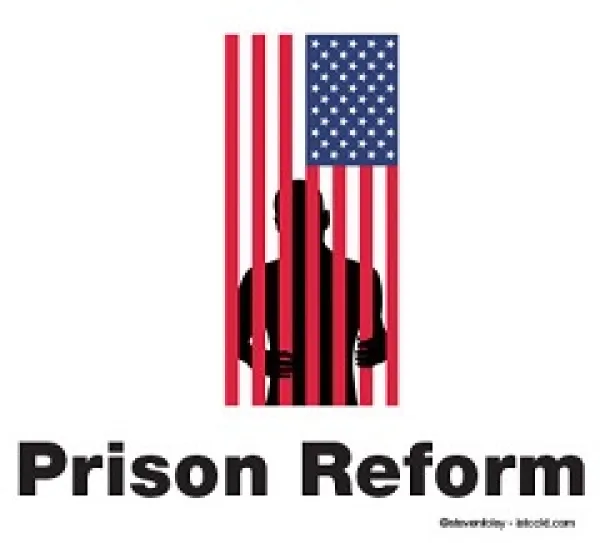
Do some people deserve to be locked in cages? According to the Ohio Organizing Collaborative the answer is yes. Their multi-million dollar “Neighborhood Safety, Drug Treatment, and Rehabilitation Amendment” ballot initiative, or NSDTRA, aims to liberate prisoners convicted of non-violent drug-related charges and prisoners who participate in prison programs at the expense of criminalizing those who fall outside these narrow parameters.
Proponents claim its necessary to build power and secure a win for activists who have been demoralized after failed attempts to hold corrupt public officials accountable. To achieve this, they plan to sacrifice many prisoners at the voting bloc.
The logic used to justify NSDTRA is that prisoners convicted of non-violent drug-related offenses are low-hanging fruit, activists aren’t competent enough to effectively advocate on behalf of prisoners convicted of violent or non-drug related charges and the general public lacks the creative imagination to envision a world without police or prisons.