
News
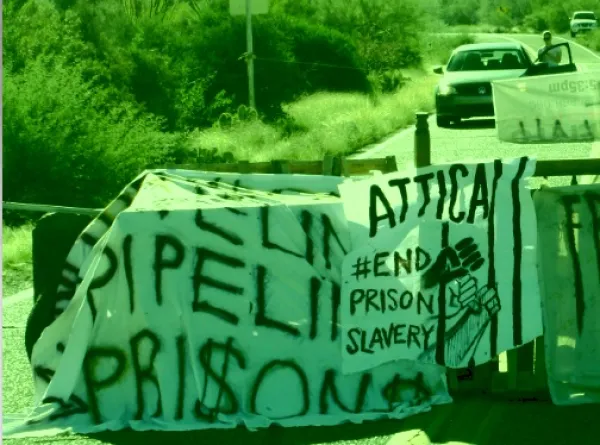
One thing is not in question: September 9th is now officially the largest prison work strike ever to take place within the United States.
This strike against prison slavery that began on September 9th, the 45th anniversary of the Attica prison uprising has now entered it’s third week. According to organizers with Support Prisoner Resistance:
As of 9/21 we have tracked 46 prisons and jails that experienced some kind of disruption between September 8 and 21st. This total includes both lockdowns reported by officials (some of whom deny that the lockdown was protest related) and reports of protests from prisoners and supporters (some of which did not lead to lockdowns or full strikes).
Sunday, October 2, 2016, the Columbus Dispatch reported that Ohio Secretary of State Jon Husted refused to mail absentee ballot applications to over one million Ohio voters.
Husted refused to mail to 1,035,795 registered voters. Those left off Husted’s mailing list include 650,730 registered voters who had changed their address. Of these, 568,456 moved within the Buckeye State and are still eligible to vote. The other 82,274 moved out of state and are presumably ineligible to vote.
The key target of Husted’s deregulation scheme are the remaining 385,065 voters who are registered at their current residence but simply failed to vote in the 2012 or 2014 federal elections.
Husted has had these voters harassed by their local Boards of Elections sending them letters demanding they verify their address. Failure to do so could lead to the voters’ deregistration and has led to them not being offered an absentee ballot. Social science data shows that the crux of Democratic Party voters move more often and vote less often than Republicans. Husted’s strategy is to purge poor and minority voters from Ohio rolls.
Sunday, October 2, 2016, the Columbus Dispatch reported that Ohio Secretary of State Jon Husted refused to mail absentee ballot applications to over one million Ohio voters.
Husted refused to mail to 1,035,795 registered voters. Those left off Husted’s mailing list include 650,730 registered voters who had changed their address. Of these, 568,456 moved within the Buckeye State and are still eligible to vote. The other 82,274 moved out of state and are presumably ineligible to vote.
The key target of Husted’s deregulation scheme are the remaining 385,065 voters who are registered at their current residence but simply failed to vote in the 2012 or 2014 federal elections.
Husted has had these voters harassed by their local Boards of Elections sending them letters demanding they verify their address. Failure to do so could lead to the voters’ deregistration and has led to them not being offered an absentee ballot. Social science data shows that the crux of Democratic Party voters move more often and vote less often than Republicans. Husted’s strategy is to purge poor and minority voters from Ohio rolls.
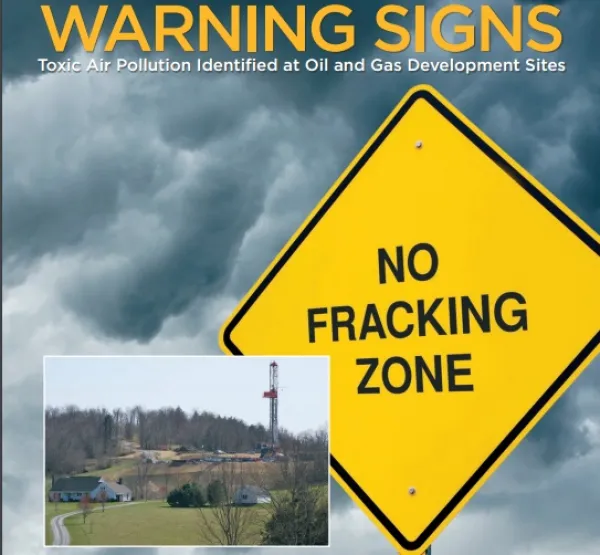
Over the last five years, the Youngstown, Ohio region has suffered over 700 man-made earthquakes, an illegal dumping of fracking waste into our river, accidental spills that destroyed private ponds and a small wetland, the trucking of radioactive solid fracking-waste into a low-income neighborhood and shale-gas fracking in the Safe Drinking Water Source Protection Area of our water supply, the Meander Reservoir. Because our elected officials have refused to prevent these ongoing harms to public health and safety, Frackfree Mahoning Valley and the Youngstown Community Bill of Rights Committee are using the ballot box to codify into law our rights as citizens to clean air, clean water and a sustainable future. This battle to codify the unalienable rights of citizens over the privileges of corporations and the self-interests of some elected officials, political parties, and community leaders, began in 2013. In 2015, the Community Bill of Rights (CBR) charter amendment only lost by 299 votes out of over 12,000 votes cast.
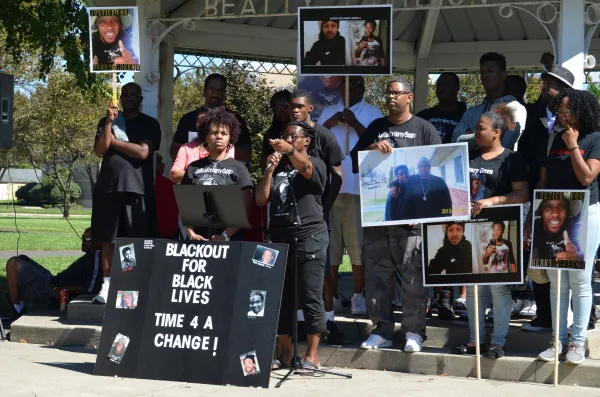
On the tragic evening of September 14, 2016, Tyre King, aged 13, was shot and killed by Columbus Police Department (CPD) officer Bryan Mason. Around the city, people are mourning the death of this child. The scars are still new, and will never fade.
We mourn for Tyre and his family, and hope they can find some solace in the vigils and protests that have started to emerge around this atrocity.
While Tyre's story is unique and individual, the violence against him is also part of a larger pattern. So far this year, at the time of this writing, the police have killed 788 people (and counting), and a disproportionate number of them--almost 25 percent--were African American.
In terms of police killings that have received a great deal of media attention, Ohio stands out, with the deaths of Tyre King; Tamir Rice, a 12-year-old killed by police in November 2014, while he was holding a BB gun in a Cleveland public park; and John Crawford III, a 22 year old who police shot in August 2014, while he was in the aisle of a Walmart store near Dayton holding an air gun he was considering buying.
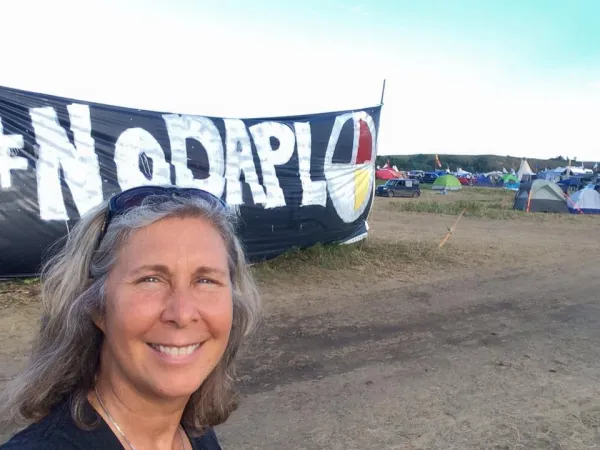
Standing Rock is the focal point of a struggle between the indigenous people of the United States and the big oil industry. Energy Transfer Partnership is building the Dakota Access Pipeline that will transport Bakken fracked oil to the Gulf of Mexico and then likely sold outside this country. The pipeline is planned to go right under the Missouri River just one half mile upstream of the Sioux Reservation. The Missouri is the main source of water for the people on the reservation, as well as approximately 13 million people downstream.
Via social media, I was shocked to see video footage of natives being attacked by guards with pepper spray and vicious dogs as they tried to peacefully defend their sacred burial grounds from bulldozers. I became resolute that I wanted to go to the Standing Rock Reservation in North Dakota.
On September 8th I arrived in North Dakota. As I drove down route 6 into the reservation, I started to see small camps along the road next to areas that had been disturbed by bulldozers. A little farther and I saw hundreds of flags lining a long road into the camp. The land was covered in tepees and bright colored tents.
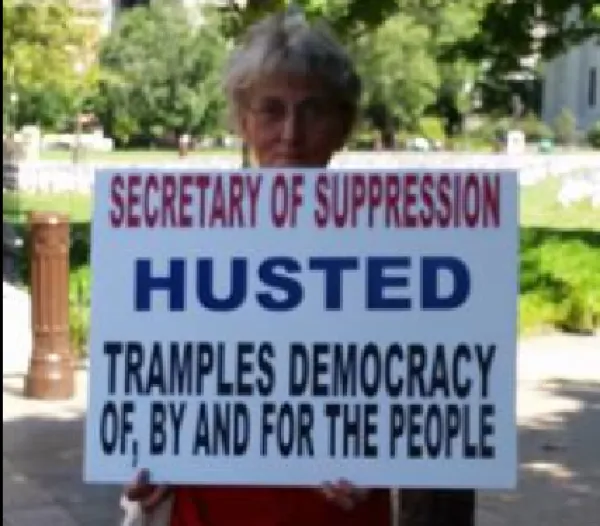
Ohio Secretary of State Jon Husted may have stepped out of bounds by keeping “community bill of rights” proposals off the ballot in Ohio. Residents of Medina, Athens and Fulton counties gathered required signatures to place proposed county charters on their respective ballots in 2015. Medina County Board of Elections (BOE) disallowed their residents’ proposal, and all of the proposed charters were kept off the ballots by Husted.
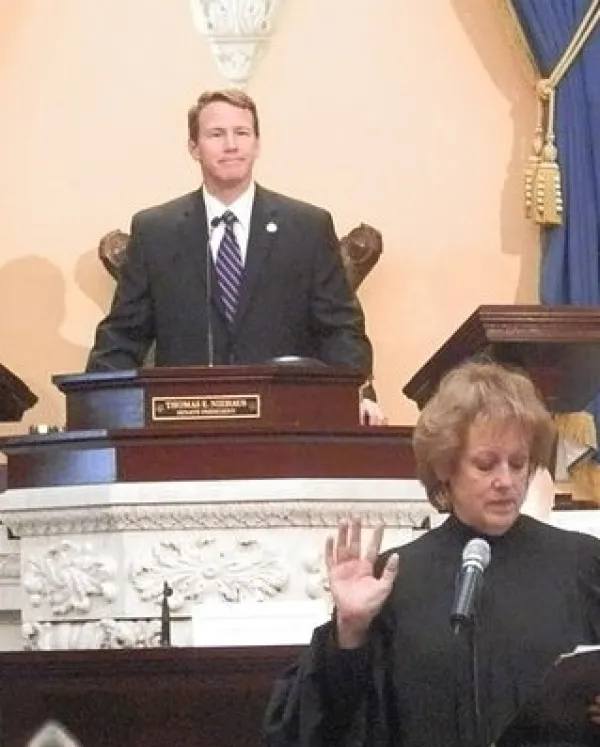
Husted interjected his interpretation of what “should” go on the ballot, as citizens came forth and asserted their constitutional right to create local laws when our higher-level government is not working for us. The Ohio Supreme Court upheld Husted’s decision. The primary legislative issue is that the 2004 ‘Niehaus Bill’ (HB 278) gave Ohio state regulators full control of oil/gas production, usurping home rule from communities.
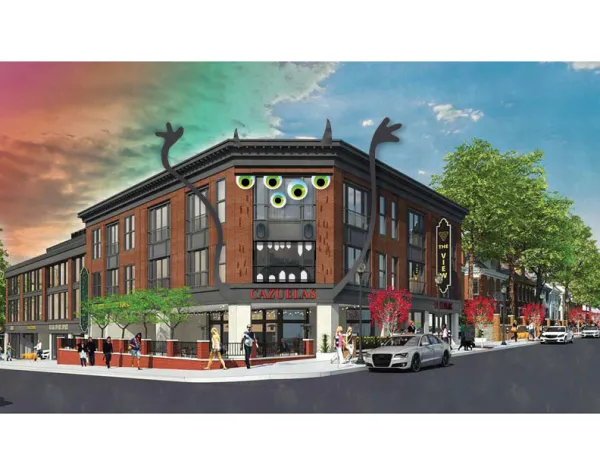
Attack of the Mixed-Use Monsters
Across Columbus and its suburbs mixed-use developments, which often include high-end condos, parking garages, office space, retail and entertainment, are either up-and-running, under construction or being proposed with each new week.
Some of these developments work for certain neighborhoods, especially if the development utilized a property that was either vacated or in need of investment, developments in Grandview and Franklinton, for example.
But cramming a mixed-use development into an already established and historically unique neighborhood is a different beast altogether. A recent case-in-point is the development that replaced Clintonville’s Olympic Pool, a summer hangout cherished by several generations of kids and parents alike.
Even in Upper Arlington there are some residents who see the coming invasion of high-density, mixed-use development as a gamble that not only could cause too much commercialism and increased density, but worse, demolish a community’s soul and character.
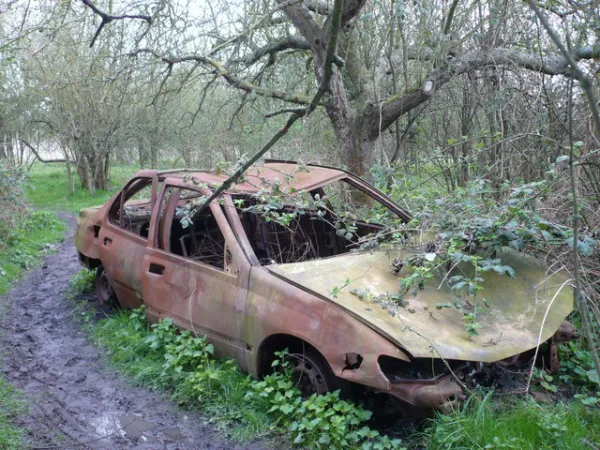
Three-C Body Shops is a lot like The Columbus Free Press. Both are fiercely independent and locally owned. And if you haven’t noticed, both are outspoken and unafraid to take on corporate bullies. Three-C and the Free Press are driven to help consumers understand how the corporatization and the consolidation of their respected industries is marginalizing not only them, but also their community.
Three-C owner Bob Juniper, the second-generation patriarch of the company, says the collision repair industry is under attack and being devoured. Four to five companies, he says, are making a serious attempt to monopolize the industry he’s worked for since he was a teenager. One of these companies is Service King Collision Repair, which is majority owned by the Carlyle Group.

Nonprofit Organizations Join to Demand Reform of Rogue Agency
Washington, DC – More than 180 organizations representing communities across America called on leaders in the Senate Energy and Natural Resources Committee and House Energy and Commerce Committee to hold congressional hearings into the Federal Energy Regulatory Commission’s (FERC) extensive history of bias and abuse. The groups are also requesting reform of the Natural Gas Act, which the groups say, gives too much power to FERC and too little to state and local officials.
“The time has now come for Congress to investigate how FERC is using its authority and to recognize that major changes are in fact necessary in order to protect people, including future generations, from the ramifications of FERC’s misuse of its power and implementation of the Natural Gas Act,” says Maya van Rossum, of the Delaware Riverkeeper, a primary organizer of the effort.