
Politics
When it comes to our rural-urban divide in Ohio, and anywhere USA for that matter, our nearest county to our northeast – Licking County, with its largest town being Newark – might as well be Mars. And after Biden defeated Trump, will the divide be bridged or become worse?
As for wearing masks, there’s a clear separation. This Free Press reporter noticed in a recent trip to Newark and further east to Zanesville fewer and fewer masks being worn the farther you go into rural Ohio.
Nevertheless, the Licking County Democratic Party was confident things would be different in 2020. The county in many ways reflects rural Ohio as it has a record amount of kids in foster care due to their parents drug addiction, but at the same time on the verge of a potential renaissance if and when its Native American Earthworks are designated a World Heritage site by the United Nations.
And even though numerous Trump flags flew on their country roads, there were tangible signs Licking County would have a strong turnout for Biden.
Let's talk about Election Day two years hence. It is the next chance Democrats have to win statewide non-judicial offices and regain influence in Ohio.
This year Democrats John O'Donnell and Jennifer Brunner have a fighting chance to knock off two Republicans and claim seats on the Ohio Supreme Court. That would give Democrats a 4-3 majority. That could result in fairer boundaries in state legislative and Congressional districts in 2022 if the newly carved districts, following the census, end up before the court. Ultimately, a court led by Democratic justices might order a new, rational, responsible, more generous funding system for Ohio's public schools, too.
If Ohio Democrats can pick up 12 seats in the Ohio House of Representatives on Nov. 3, they gain control. There is no chance that Democrats can gain a majority in the Ohio Senate, but could add 2-3 seats.
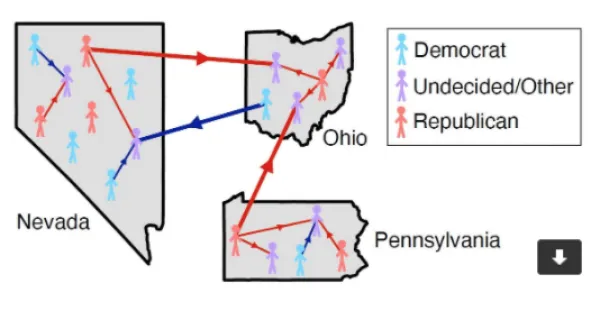
(October 28, 2020) – According to a new model, if the U.S. presidential election were to take place today, former Vice President Joe Biden would have an 88.3% percent chance of winning. That’s the finding of a group of U.S.
Channel 4’s Colleen Marshall is the matriarch of local broadcast news, so when she recently mentioned many Central Ohio suburban women are still undecided for President, some of us took serious pause.
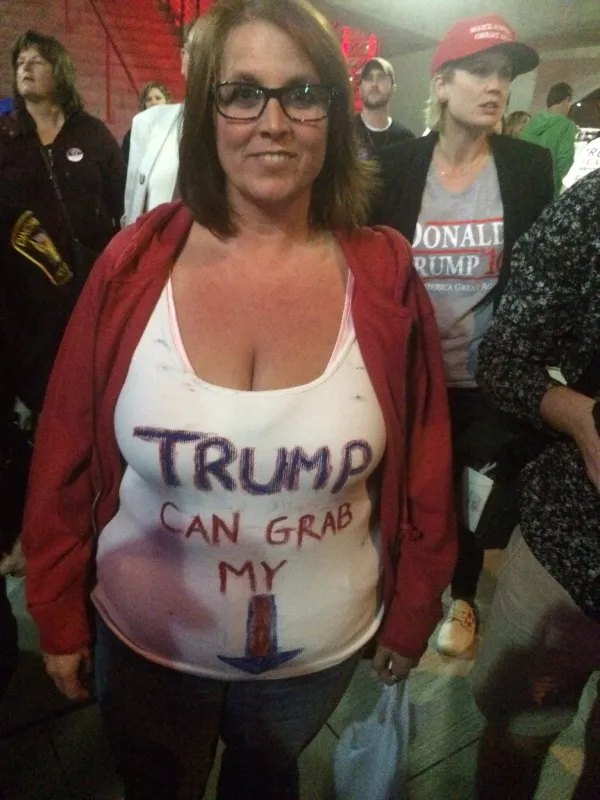
Is it possible that thousands of educated and successful local women are still undecided and wavering whether to go with crotch-grabbing Trump as they did in 2016?
That’s all Columbus needs in its decades-long effort to attract and retain young professionals so to become as hip as Austin – another Trump victory.
Try not to cringe too hard or you could injure yourself, but as many are aware, the polls are neck-and-neck. RealClear Politics as of Sunday (Oct. 18) has Trump 46.5% to Biden 46%. Keep in mind women now vote more than men, a lot more: 73 million women voted in 2016 compared to 63 million men.
Nationally, polls and the mainstream media keep echoing that suburban women are bailing on Trump. This may not be the case for Upper Arlington, Dublin, Westerville, Canal Winchester, Grove City, Delaware and Licking County.
Last week in Cincinnati, Ivanka Trump told hundreds of invite-only supporters, “We’re going to win Ohio.”
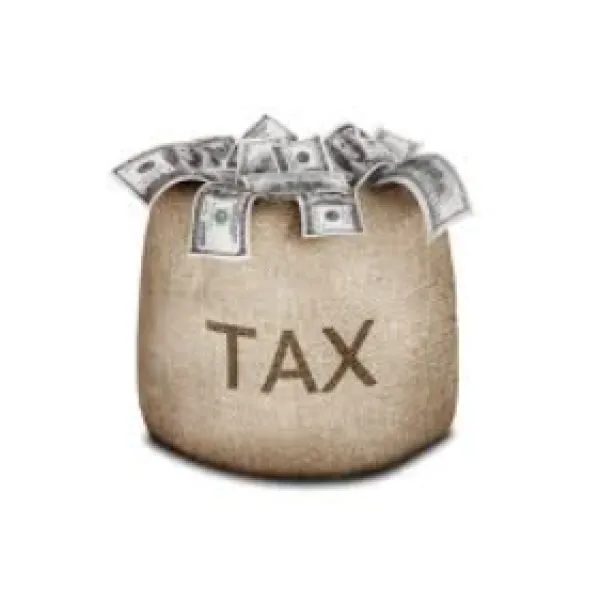
In a virtual press conference today, Policy Matters Ohio unveiled a proposal to clean up and rebalance Ohio’s upside-down tax code.
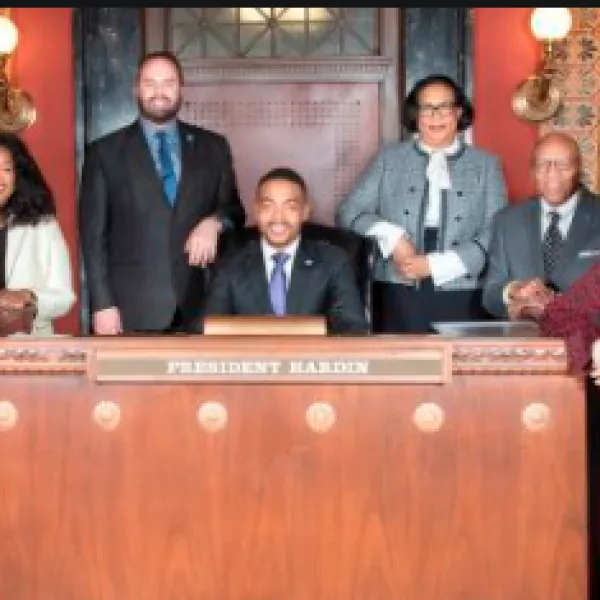
Joe Motil, former Columbus City Council candidate and longtime outspoken critic of the Mayor Ginther and City Council’s tax incentive policies states that, “Our city’s income tax revenues are taking a beating during this COVID crisis and property taxes continue to rise while causing rent increases and home foreclosures to those getting hit the hardest by COVID. City Council also just recently had to cut $41.5 million from its operating budget due to a reduction in city income revenues. And yet Mayor Ginther and City Council continue to give tax abatements away to the tune of $56 million since COVID first impacted the city’s revenues in March. And just last week, City Council gave back $10,274, 785 in city income tax revenue to 26 local companies through a Job Growth Incentive Program.
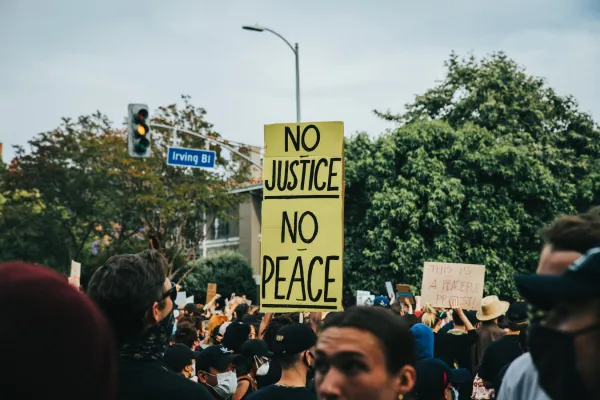
On September 15, Mayor Ginther held a small press conference on the findings of an investigation by law firm Baker-Hostetler into allegations of misconduct by Columbus police officers. The results found CPD’s internal policy wanting for reform, but still did not live up to expectations.
This summer, as the nation reacted en masse to the gruesome police killing of George Floyd in Minneapolis, protesters found themselves not just speaking out against police brutality, but actively experiencing it as cities across the country attempted to quell the uprisings by force. In Columbus, as videos of police officers tear-gassing peaceful crowds filled social media, the city government struggled to respond.
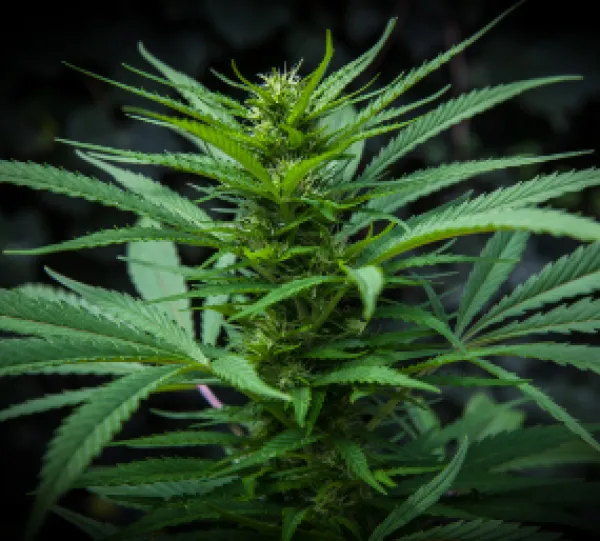
This year – 2020 – marked the 50th anniversary of many momentous moments: breakup of the Beatles, emergence of Earth Day, killings at Kent State and enactment of the Controlled Substances Act. This law left an indelible mark on public policy, both at home and abroad, that towers over other semi-centennial events. It has cost trillions and incarcerated millions.
Entitled the Controlled Substances Act (CSA) and passed as Title II of the Comprehensive Drug Abuse Prevention and Control Act of 1970, this centerpiece of U.S. drug policy governs manufacture, importation, possession, use and distribution of drugs – narcotics, stimulants, hallucinogens, steroids and, yes, marijuana.
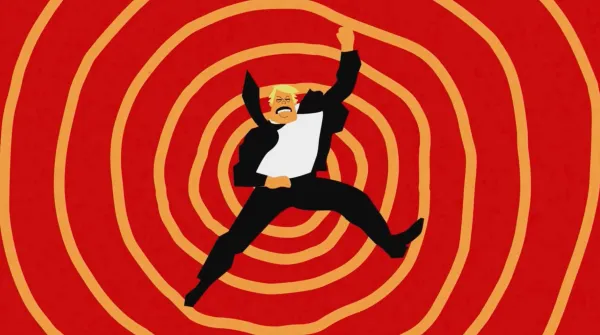
Political commentators have spent nearly four years trying to understand why Donald Trump spreads lies, ignores constitutional norms and otherwise fails to act like the president of the United States. In a new documentary by Dan Partland, mental health experts take on the challenge.
Their conclusion is spelled out in the film’s title: #Unfit: The Psychology of Donald Trump. The 45th president, they believe, is so psychologically impaired that he’s incapable of functioning responsibly. Specifically, they say he has “malignant narcissism,” which is marked not only by self-importance but by paranoia, anti-social behavior and sadism.
It’s actually George Conway—lawyer, Trump critic and husband of departing presidential counselor Kellyanne Conway—who first makes the charge. But health professionals such as psychologist John Gartner agree, which may raise a question or two in viewers’ minds:
First, can psychologists really diagnose someone they haven’t met? Yes, says Gartner. In fact, he claims that observing an individual’s behavior—as we’ve all had a chance to do with Trump since he took office—can yield a more accurate diagnosis than an in-person interview.
Throughout 2020, I keep reaching the same political conclusion about the Republican Party, at both a national and state level. Even though this year has felt like 1918, 1968, 1998 and 2008 combined, it’s pretty wild how many crises the Republicans in D.C. and Ohio have weathered since the year began. Not surprisingly, it seems like even 2020 is finally starting to take a toll on the ol’ Party of Lincoln.
Consider that when 2019 rolled over, President Donald Trump had already been impeached by the U.S. House of Representatives and was about to face trial in the Senate. Not only did the impeachment process irreparably divide the country, but Republicans found themselves divided on how the rule of law should apply to The Teflon Don. Some conservatives like Rep. Justin Amash (L-MI) and Sen. Mitt Romney (R-UT) felt Trump’s actions were worthy of impeachment, which naturally earned them their due condemnation from their conservative counterparts and right wing media. Nonetheless, the cracks were beginning to form in the GOP’s foundation -- and it was only January.