
Anti-War
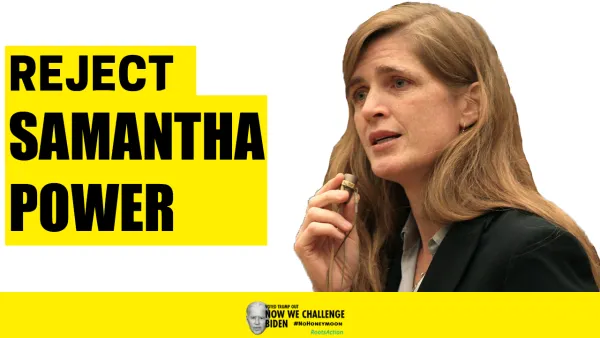
It took a variety of approaches to market the 2003 war on Iraq. For some it was to be a defense against an imagined threat. For others it was false revenge. But for Samantha Power it was philanthropy. She said at the time, “An American intervention likely will improve the lives of the Iraqis. Their lives could not get worse, I think it’s quite safe to say.” Needless to say, it wasn’t safe to say that.
Did Power learn a lesson? No, she went on to promote a war on Libya, which proved disastrous.
Then did she learn? No, she took an explicit position against learning, publicly arguing for the duty not to dwell on the results in Libya as that might impede willingness to wage war on Syria.
Samantha Power may never learn, but we can. We can stop allowing her to hold public office.
We can tell every U.S. Senator to reject her nomination to lead the U.S. Agency for International Development (USAID).
Dear President Joe Biden,
Congratulations and best wishes!
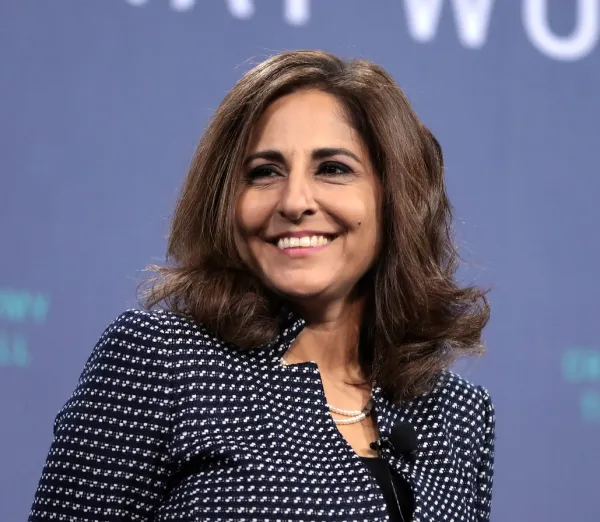
When Neera Tanden emailed her colleagues in support of forcing Libya to pay for the privilege of having been bombed, many misunderstood, including one of her colleagues who emailed back objecting to creating what he supposed was an obvious financial incentive for bombing more countries.
Now that Tanden has been nominated for high office and will face confirmation hearings in the U.S. Senate, we have an obligation to get this right. The top ways in which Tanden has been misunderstood are:
You may have heard that the U.S. House of Representatives just passed a bill to spend $741 billion renaming military bases that have been heretofore named for Confederates. You may think that’s a grand idea but still wonder at the price tag.
Of course, the secret is that — even though most of the media coverage is about the renaming of bases — the bill itself is almost entirely about funding (part of) the world’s most expensive military machine: more nukes, more “conventional” weapons, more space weapons, more F-35s than the Pentagon even wanted, etc.
Annually, the military appropriations and authorization bills are the only bills to go through Congress where the bulk of the media coverage is always devoted to some marginal issue and never to what the bill essentially does.
Almost never does media coverage of these bills mention, for example, foreign bases, or their huge financial cost, or the lack of public support for them. This time, however, there has been mention of the fact that this bill blocks the removal of U.S. troops and mercenaries from Germany and Afghanistan.

It is not often that one can agree with the pronouncements made by former Central Intelligence Agency (CIA) Director John Brennan, but his tweeted comment on the killing of Iranian scientist Mohsen Fakhrizadeh suggesting that the incident “…was a criminal act & highly reckless. It risks lethal retaliation & a new round of regional conflict. Iranian leaders would be wise to wait for the return of responsible American leadership on the global stage & to resist the urge to respond against perceived culprits” was both restrained and reasonable. Or it was at least so until sentence two, which was clearly intended to attack Donald Trump and praise the incoming Joe Biden administration, which Brennan just might be seeking to join.

One of the holiest days of the year is fast approaching. Are you ready? Remember the true meaning of Pearl Harbor Day!
The U.S. government planned, prepared for, and provoked a war with Japan for years, and was in many ways at war already, waiting for Japan to fire the first shot, when Japan attacked the Philippines and Pearl Harbor. What gets lost in the questions of exactly who knew what when in the days before those attacks, and what combination of incompetence and cynicism allowed them to happen, is the fact that major steps had indisputably been taken toward war but none had been taken toward peace.
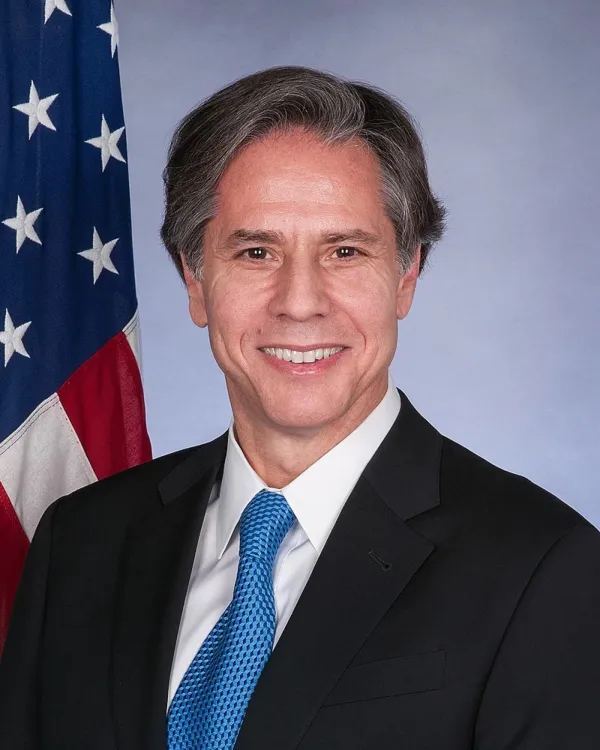
Antony Blinken is not the Secretary of State the United States or the world needs, and the U.S. Senate should reject his nomination. Here are 10 reasons:
1. A president elect who has been part of every disastrous war for decades should not be nominating for Secretary of State a key advisor who helped him get numerous critical decisions wrong. Biden was the committee chair who guided the Iraq war authorization through the Senate with Blinken’s help. Blinken helped Biden into catastrophe after catastrophe in Libya, Syria, Ukraine, and elsewhere. If Biden claims to have regrets or to have learned anything, he’s not yet showing it.
2. Blinken has been part even of Biden’s hairbrained schemes that weren’t acted on, such as the plan to divide Iraq into three separate puppet states.
3. Blinken has supported Trump’s bombings in Syria and arming of Ukrainians, militarism that went beyond Obama-Biden policies.
4. Blinken has urged that campaign promises of ending endless wars not be taken too seriously.
Trump changed many things.
U.S. media outlets will now point out when a president is lying. If that policy holds consistently, we’ll never have a war again.
Congress will now vote to end a war (Yemen) and a president will veto it. If Congress can repeat that on a monthly basis, and the president not veto, we’ll end a lot of wars.
Top military officials will openly laugh about tricking a president into believing he’d withdrawn more troops than he really had from a war (Syria). If presidents or Congress or the public should develop any outrage over that, we might be in good shape. If not, we could be in trouble.
The world can no longer as easily deny the selfish, destructive motivations behind U.S. imperialistic behavior, even if a new president dresses it up more politely.
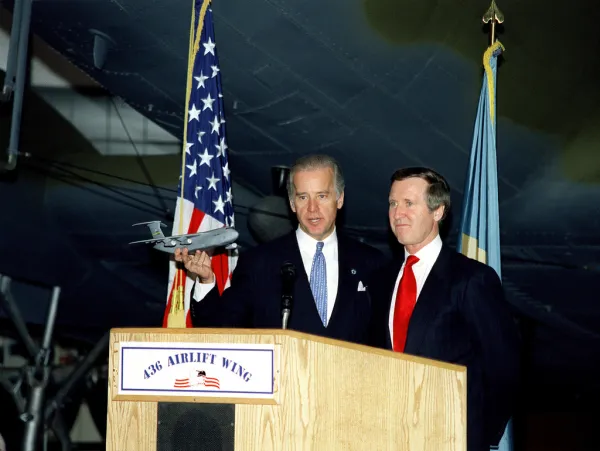
In June 2019, Joe Biden promised wealthy so-called donors that nothing would fundamentally change. At this moment hundreds of millions of people — from those shooting off fireworks to those ranting as though they will soon shoot up public places in their MAGA hats — seem convinced that everything will fundamentally change. Biden was wrong. Everybody else is right. Either everything will change for the better or one or both of the twin dangers of environmental and nuclear apocalypse will change everything for the worse.
What should someone who cares about ending war think? How can we get from the euphoria of electing a warmonger to mobilizing people to end war? How should we talk with the people who are celebrating? And how with the people who are outraged?

Stephen Wertheim’s Tomorrow, The World examines a shift in elite U.S. foreign-policy thinking that took place in mid-1940. Why in that moment, a year and a half before the Japanese attacks on the Philippines, Hawaii, and other outposts, did it become popular in foreign-policy circles to advocate for U.S. military domination of the globe?
In school text book mythology, the United States was full of revoltingly backward creatures called isolationists at the time of World War I and right up through December 1941, after which the rational adult internationalists took command (or we’d all be speaking German and suffering through the rigged elections of fascistic yahoos, unlike this evening).