
Anti-War
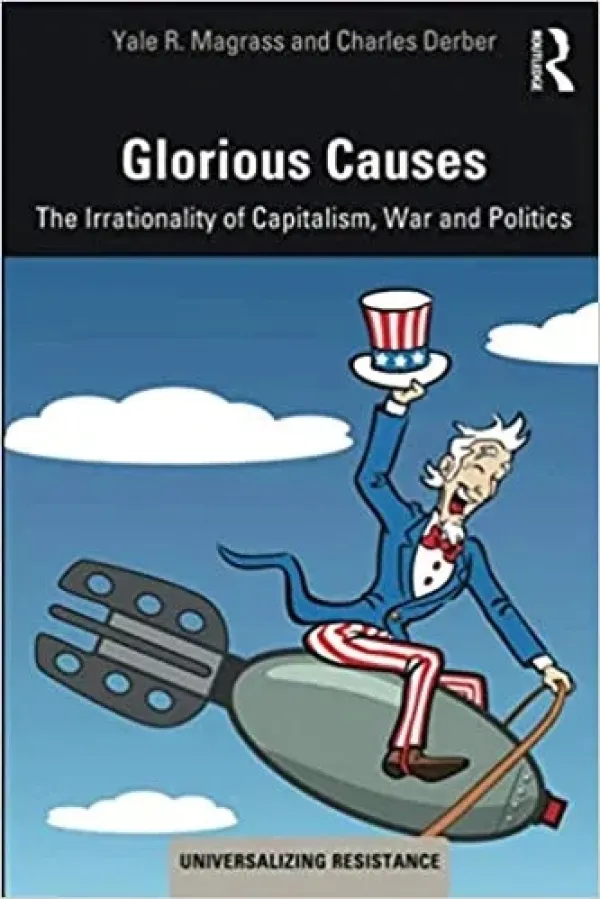
Yale Magrass and Charles Derber’s latest book is called Glorious Causes: The Irrationality of Capitalism, War, and Politics. I hope people are reading it. I worry, because after Mom, apple pie, and shopping, what are more popular than capitalism, war, and politics? Probably not . . . oh, I don’t know . . . analyses of the similarities between the histories of Nazi Germany and the United States. Those are in this book too, and are probably the most interesting parts of it.
In the book’s defense, it is part of a series called “Universalizing Resistance,” and it focuses a lot on the same cultural divide between educated, rational cosmopolitans and traditional, irrational racists that the Democrats spent a fair amount of time blaming after the last time they nominated the least popular presidential candidate they could find.
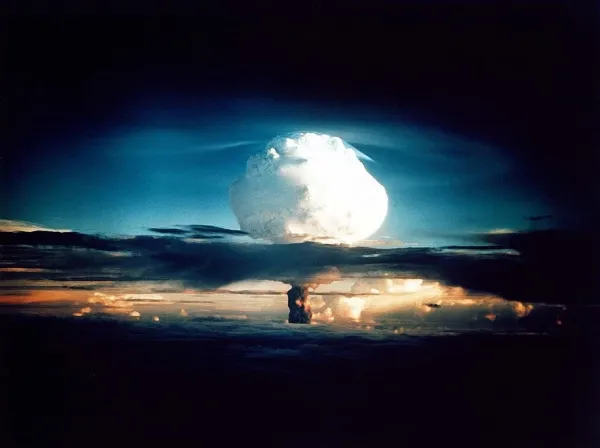
Peter Kuznick answered the following questions from Mohamed Elmaazi of Sputnik Radio and agreed to let World BEYOND War publish the text.
1) What’s the significance of Honduras being the latest country to join the UN’s Treaty on the Prohibition of Nuclear Weapons?
What a remarkable and ironic development, especially after the U.S. had been pressuring the previous 49 signers to withdraw their approvals. It is so fitting that Honduras, the original “banana republic,” pushed it over the edge–a delicious fuck you to a century of U.S. exploitation and bullying.
2) Is it possibly a bit of a distraction to focus on countries that have no nuclear capability?
Not really. This treaty represents the moral voice of humanity. It may not have a universal enforcement mechanism, but it clearly states that the people of this planet abhor the power-hungry, annihilation-threatening madness of the nine nuclear powers. The symbolic significance can not be overstated.
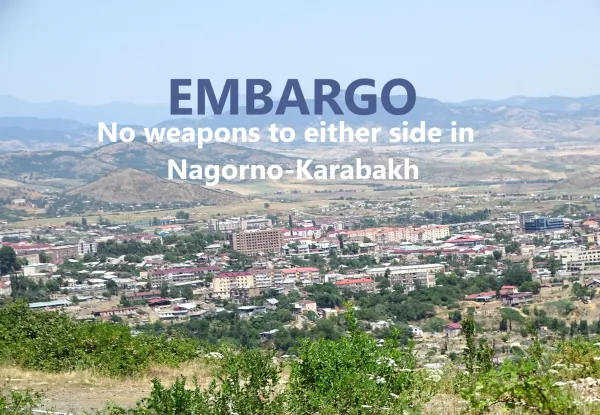
As with many wars around the world, the current war between Azerbaijan and Armenia is a war between militaries armed and trained by the United States. And in the view of some experts, the level of weapons purchased by Azerbaijan is a key cause of the war. Before anybody proposes shipping more weapons to Armenia as the ideal solution, there is another possibility.
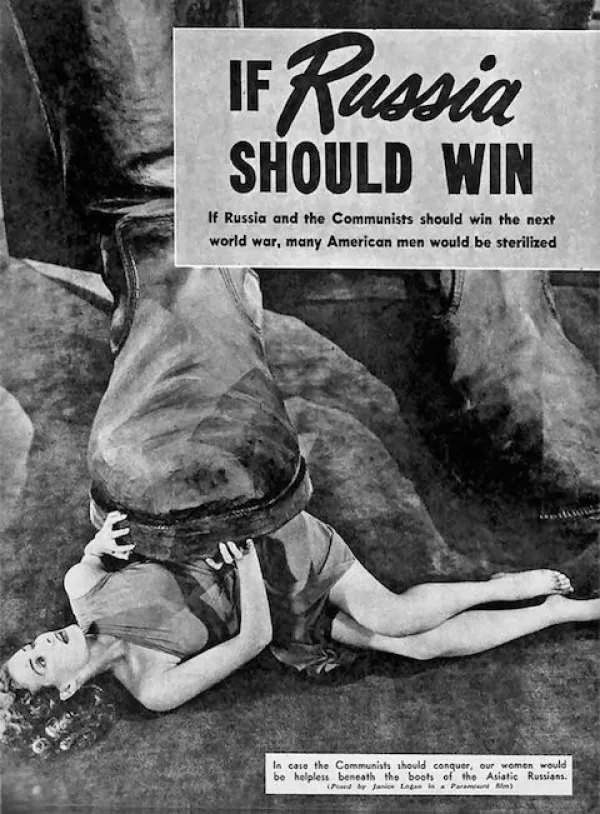
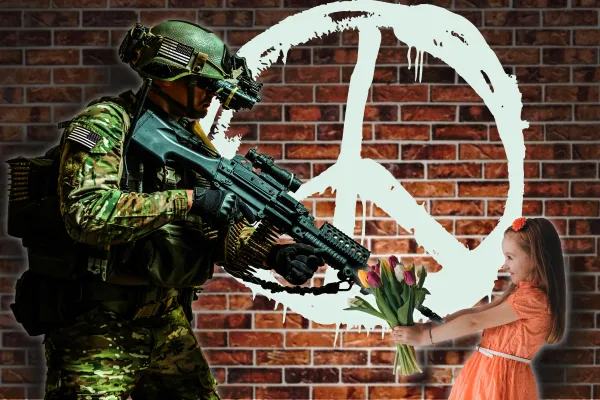
The vast majority of people who experience war directly, first-hand, rather than through Hollywood movies or politicians’ speeches, are the people who live where wars are waged. In wars involving distant wealthy nations on one-side, some 95% of those killed or injured or traumatized, and 100% of those bombed out of their homes are people against whom war is waged, most of them civilians and the rest of them people doing exactly what any Hollywood movie or politician would tell them — have told them — to do: fight back.
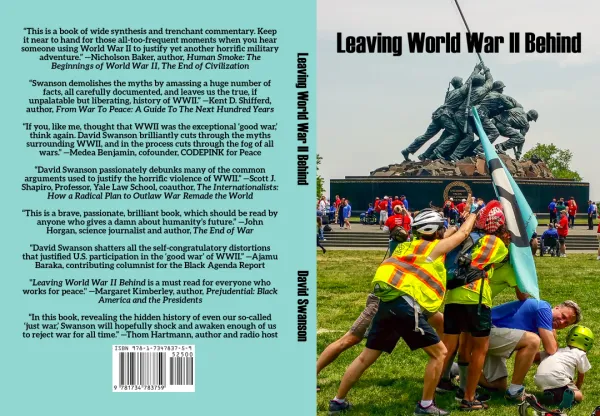
“I’m going to perform a magic trick by reading your mind,” I tell a class of students or an auditorium or video call full of people. I write something down. “Name a war that was justified,” I say. Someone says “World War Two.” I show them what I wrote: “WWII.” Magic![i]
If I insist on additional answers, they’re almost always wars even further in the past than WWII.[ii] If I ask why WWII is the answer, the response is virtually always “Hitler” or “Holocaust” or words to that effect.
This predictable exchange, in which I get to pretend to have magical powers, is part of a lecture or workshop that I typically begin by asking for a show of hands in response to a pair of questions:
“Who thinks war is never justified?”
and
This looks like the beginning of a civil war.
The chaos and violence in Kenosha, Wisconsin are unfolding as I write. I feel as though I’m watching some natural disaster develop, suddenly overpowering any hope for social change “before it’s too late.”
Is it already too late — that is to say, too late to disarm our concept of social order and, for God’s sake, safety? The American problem of guns is not only that there are so many of them, vastly more than there are people; and that they are deemed, by so many Americans, necessary for survival and empowerment, commanding a reverence in the collective imagination right there alongside the flag and the cross; but also, that they are inextricably linked, in so many ways, with American racism.

“They were covered with blood and burned and blackened and swollen, and the flesh was hanging from the bones. Parts of their bodies were missing, and some were carrying their own eyeballs in their hands. And as they collapsed, their stomach burst open.”
But war is necessary, right?
The speaker, quoted recently on NPR, is 88-year-old Setsuko Thurlow, one of Planet Earth’s remaining hibakushas: survivors of the atomic devastation of Hiroshima and Nagasaki. She was in Nagasaki on Aug. 9, 1945. Since that day, she has devoted her life to the elimination of nuclear weapons — that is to say, to creating awareness. Everybody knows that war is hell, but hell is just an abstraction, easily shrugged off, unless you live through it.
Submitted by fightback on Fri, 08/07/2020 - 10:27am
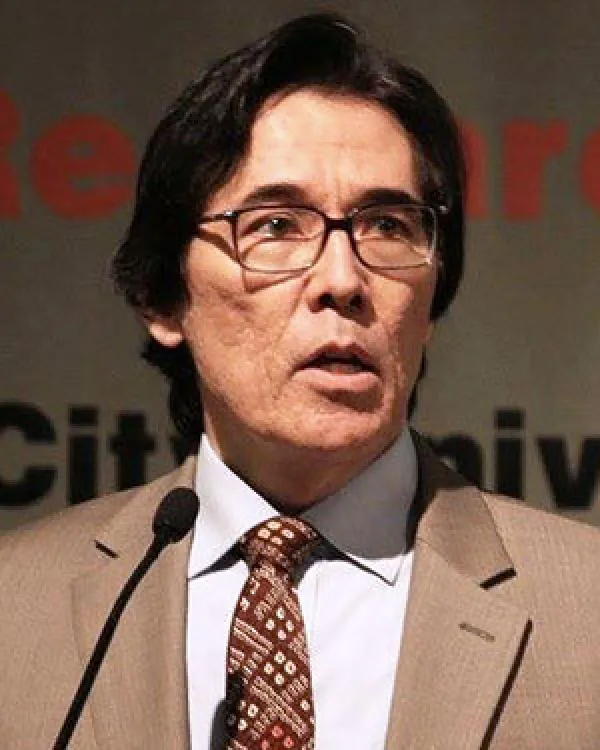
Bob interviews Asian American professor and activist Phil Tajitsu Nash about the 75th anniversary of Hiroshima-Nagasaki bombings, immigration, the pandemic, Trump and the pedagogy of the oppressed.Download audio file
Artist: Bob Fitrakis and Phil Tajitsu Nash Title: The Other Side of the News with Phil Tajitsu Nash
Length: 23:46 minutes (18.04 MB)
Format: MP3 Joint stereo 44kHz 106Kbps (VBR) Source: https://www.wcrsfm.org/content/other-side-news-phil-tajitsu-nash