
Anti-War
The House and Senate have agreed upon a catastrophic military spending bill.
The House has happily tossed under the bus the following measures that had been in its version prior to “compromising” by going with what the Senate (and the campaign funders) wanted:
[UPDATE: silver lining on Vieques!]
Justifying the Supposed Benefit of Every Foreign Base.
And all of these are virtually or entirely gone:
–repeal the Authorization for Use of Military Force Against Iraq Resolution of 2002.
–prohibit military force in or against Iran.
–prohibit support to and participation in the war on Yemen.
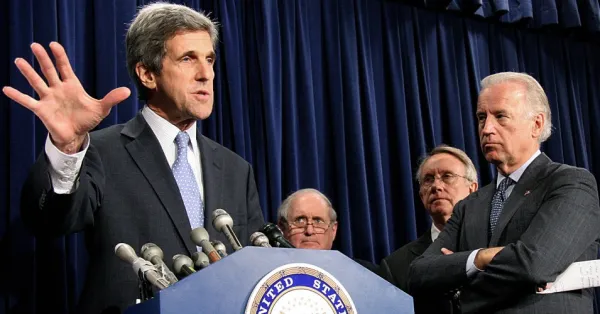
On Thursday afternoon, the Washington Post sent out a news alert headlined "John Kerry Endorses Biden in 2020 Race, Saying He Has the Character and Experience to Beat Trump, Confront the Nation's Challenges." Meanwhile, in Iowa, Joe Biden was also touting his experience. "Look," Biden said as he angrily lectured an 83-year-old farmer at a campaign stop, "the reason I'm running is because I've been around a long time and I know more than most people know, and I can get things done."
But Kerry and Biden don't want to acknowledge a historic tie that binds them: Both men were important supporters of the Iraq war, voting for the invasion on the Senate floor and continuing to back the war after it began. Over the years, political winds have shifted—and Biden, like Kerry, has methodically lied about his support for that horrendous war.
(English below the Spanish)
De: World BEYOND War
14 de noviembre, 2019.
A: Presidente Andrés Manuel López Obrador.
Deseamos agradecerle a nombre de nuestros miembros de todo el mundo por sus comentarios realizados el día 5 de noviembre de 2019, dichos comentarios fueron en respuesta a la propuesta del presidente de Estados Unidos, Donald Trump, sobre una guerra contra los traficantes de drogas.
Sus palabras deben ser escuchadas por los gobiernos de todo el mundo.
Estamos de acuerdo con usted, la guerra es la peor opción posible, lo que significa que nunca se puede elegirla por encima de otros recursos de acción.
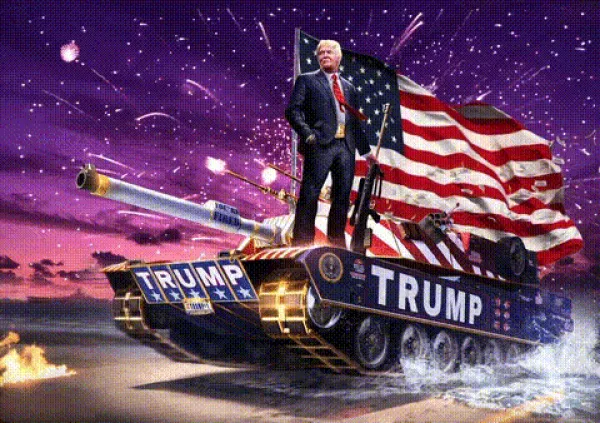
November 11, 2019, is Armistice Day 101 (or 102 if you want to be all mathematically accurate and elitist about it). Anyway, it’s been over a century now since World War I was ended at a scheduled moment (11 o’clock on the 11th day of the 11th month in 1918).
For decades in the United States, as elsewhere, Armistice Day (in some countries it’s called Remembrance Day) was a holiday of peace, of sad remembrance and the joyful ending of war, and of a commitment to preventing war in the future. The holiday’s name was changed in the United States after the U.S. war on Korea to “Veterans Day,” a largely pro-war holiday on which some U.S. cities forbid Veterans For Peace groups from marching in their parades because only Veterans for war can be part of Veterans Day.
Last year we raised quite a fuss in opposition to a weapons parade through Washington, D.C. that Trump had proposed to hold in his own honor. It wasn’t held. Nor was it held on July 4th, as he later suggested. Nor is it being held now.
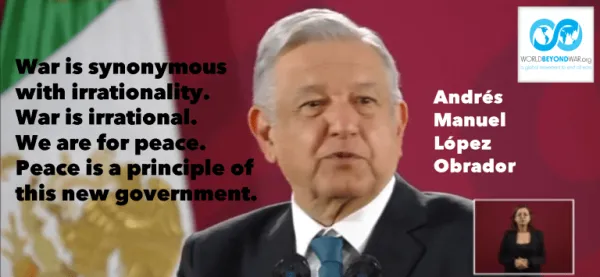
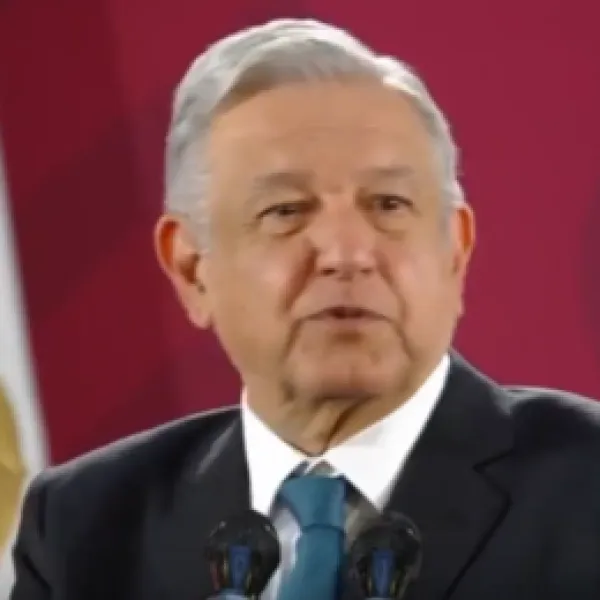
Andrés Manuel López Obrador (AMLO), the President of Mexico, was not eager to accept Donald Trump’s offer to fight a war against drug dealers. In fact, AMLO replied as follows (in so far as I’m able to translate; see the video below to verify, and please send me your translations):
The worst that could be, the worst thing we could see, would be war.
Those who have read about war, or those who have suffered from a war, know what war means.
War is the opposite of politics. I have always said that politics was invented to avoid war.
War is synonymous with irrationality. War is irrational.
We are for peace. Peace is a principle of this new government.
Authoritarians have no place in this government that I represent.
It should be written out 100 times as punishment: we declared war and it did not work.
That is not an option. That strategy failed. We will not be a part of that. . . .
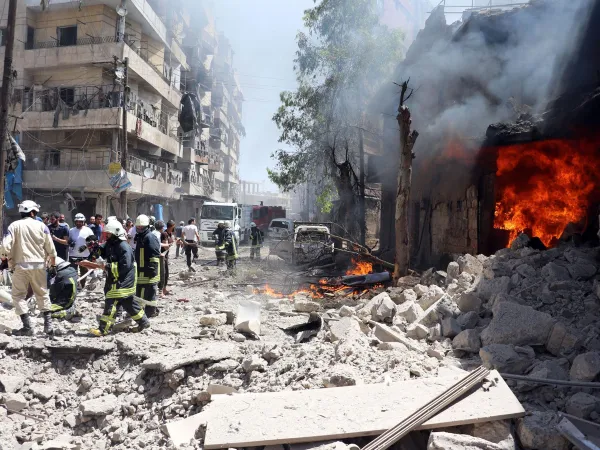
The long nightmare in Syria might finally be coming to an end, but not thanks to the United States and the administration of President Donald Trump. Trump’s boast that “this was an outcome created by us, the United States, and nobody else” was as empty as all the other rhetoric coming out of the White House over the past two and a half years. Nevertheless, it now appears that the U.S. military just might finally be bidding farewell to an exercise that began under President Barack Obama as a prime bit of liberal interventionism, with American forces illegally entering into a conflict that the White House barely understood and subsequently meddling and prolonging the fighting.
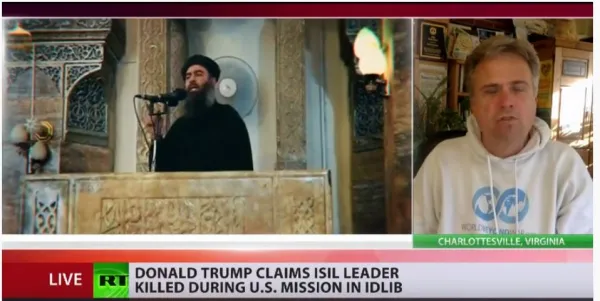
You cannot promote the rule of law by loudly bragging about committing murder. You cannot end terrorism by committing terrorism. Here is a U.S. president openly proclaiming that he has committed murder in order to let people be afraid they’ll be next. If anything fits the definition of terrorism, that does. The U.S. public cannot see it because (1) whatever the U.S. does is good, (2) Trump’s fans support anything he does, (3) loyalists of the Democratic Party believe that any crimes Barack Obama committed can never be crimes even if Trump commits them. But this crime is not just accepted; it’s a point of pride — a way to feel superior to other countries that have not murdered any terrorists or even created any terrorists to murder.
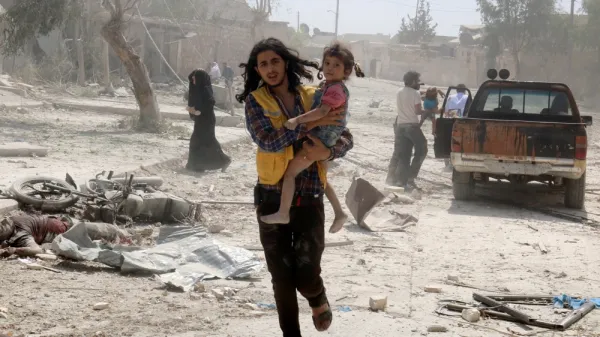
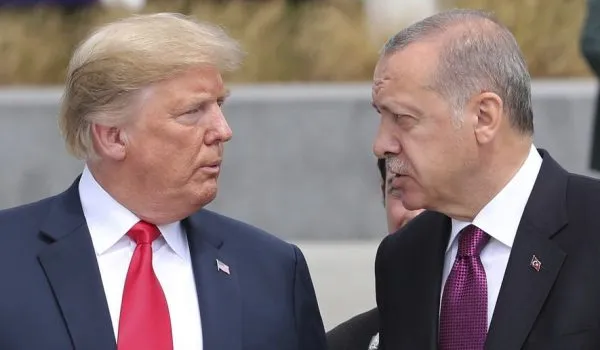
The discussion, if one might even call it that, regarding the apparent President Donald Trump decision to withdraw at least some American soldiers from Syria has predictably developed along partisan, ideologically fueled lines. Trump has inevitably muddied the waters by engaging in his usual confusing explanations coupled with piles of invective heaped upon critics. The decision reportedly came after a telephone call with Turkish president Recep Tayyip Erdogan, but what exactly was agreed upon and who else might have been present in the room to report back to the intelligence community remains uncertain. Trump clearly believed that he had obtained some assurances regarding limits to any proposed Turkish military action from Erdogan, who almost immediately launched air attacks followed by ground troop incursions against the former U.S. supported Kurdish Syrian Democratic Forces (SDF).

Attacks on two Saudi Arabian oil facilities on Saturday reportedly reduced the production of Aramco, the state oil company, by one half. It was a devastating demonstration of just how vulnerable the Kingdom’s oil economy actually is. Initial reports suggested that the damage had been caused by explosive drones launched by the Houthi rebels in Yemen, who claimed responsibility, but there has been considerable skepticism regarding whether the drones available to the Houthi could actually have carried out the attack.
Inevitably, the United States and the Saudis are blaming Iran, which has often been accused of being the Houthi’s sponsor. U.S. Secretary of State Mike Pompeo quickly claimed there was no evidence that the attacks emanated from Yemen and blamed Tehran, tweeting predictably that “amid all the calls for de-escalation, Iran has now launched an unprecedented attack on the world’s energy supply.”