
Politics

Newly popular Democratic politician hero and nominee for a seat in the U.S. Congress Alexandria Ocasio-Cortez used to have these words on her website:
“A Peace Economy
“Since the invasion of Iraq in 2003, the United States has entangled itself in war and occupation throughout the Middle East and North Africa. As of 2018, we are currently involved in military action in Libya, Syria, Iraq, Afghanistan, Yemen, Pakistan, and Somalia. According to the Constitution, the right to declare war belongs to the Legislative body, not the President. Yet, most of these acts of aggression have never once been voted on by Congress. Alex believes that we must end the forever war by bringing our troops home and ending the air strikes and bombings that perpetuate the cycle of terrorism and occupation throughout the world.”
Now they’re gone. Asked about it on Twitter, she replied:
“Hey! Looking into this. Nothing malicious! Site is supporter-run so things happen -we’ll get to the bottom of it.”

Alexandria Ocasio-Cortez’ platform is dramatically better than many may realize. It tackles the greatest evil in existence in a way that no other big-2 congressional candidate’s website does and which most do not even mention. And in doing so, it makes serious much of the rest of her socialist platform in a way that even presidential candidate Bernie Sanders did not — a way promoted by the peace movement, the Poor People’s Campaign, and Black Lives Matter.
War and war preparations eat up 60% of the funding that Congress members decide on each year. Most candidates, including most progressives, refuse to mention that, even while (in some cases) proposing to somehow fund massive human and environmental programs. When he ran for president, Bernie Sanders was willing to accept the endlessly repeated label of “Tax Increaser” rather than say he’d cut a small fraction of the military to pay for everything he wanted.

An amazing amount of progress has been made over the past month or so. America has catapulted itself all the way from the 1990s to 2016. The furthest-right elements of both major parties were again successful in the primaries. Another woman is seeking a powerful job on the back of behaving like the worst men. North Korea continues to consume headlines. Not even two years of an irredeemable president and declining enthusiasm on the left could convince our national leaders to change.
Four states held primary elections last week. Ohio, West Virginia, North Carolina, and Indiana went to the polls to select who will battle for office in November. There were no results to excite or inspire genuine progressives. As in the year of the Donald, Republicans competed to be the most disgraceful candidate, and, in many cases, the worst-of-the-worst won. The Democratic Party forced out progressives before the primaries and went medieval on those who dared to stay in the race.
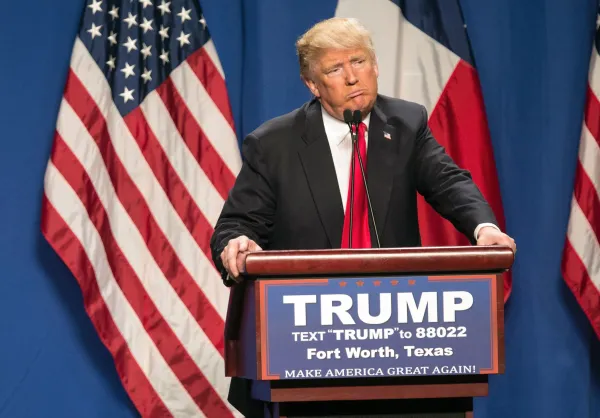
With six months to go before the midterm election, new national polls are showing that the Democratic Party’s much-touted momentum to gain control of the House has stalled out. The latest numbers tell us a lot about the limits of denouncing Donald Trump without offering much more than a return to the old status quo.
Under the headline “Democrats’ 2018 Advantage Is Nearly Gone,” CNN reportedWednesday that nationwide polling found “the generic congressional ballot has continued to tighten” -- “with the Democrats’ edge over Republicans within the poll’s margin of sampling error for the first time this cycle.”
Well, not really a vacuum. The past three weeks have been more like the space between our planets which is actually full of all kinds of stuff but doesn’t have much happening. The bloated Congress has been typically idle, and the administration has spent most of its time battling through an increasingly large number of scandals. Then there’s the solar wind that blows in all directions, constantly moving but achieving no forward progress. That’s been the Democrats’ lackadaisical plans for the next couple of years and the executive branch’s staffing changes. It is said that a lot can happen in a day, but following national politics makes it impossible to believe.
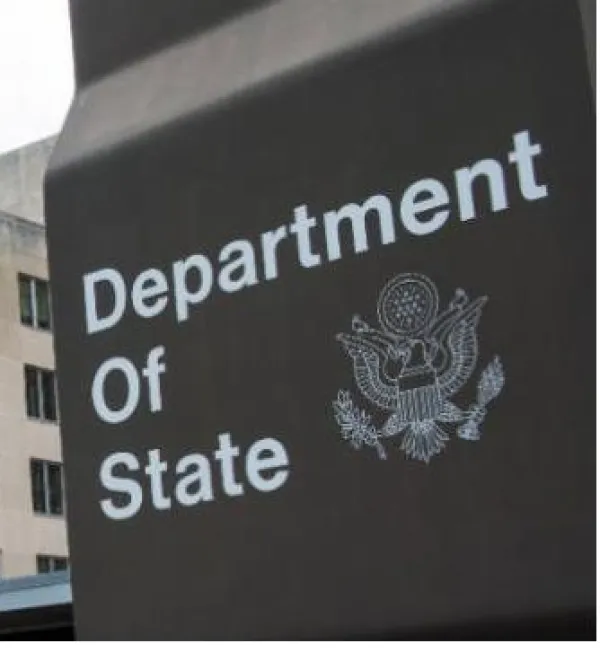
Ronan Farrow’s book War on Peace: The End of Diplomacy and the Decline of American Influence recounts episodes from the Obama-Trump militarization of U.S. foreign policy. While the book begins with and has been marketed with the story of Trump firing lots of key diplomats and leaving positions unfilled, much of its content is from the pre-Trump, Obama-era and even Bush-era erosion of diplomacy as something distinct from war and weapons sales.
The distinction between employing diplomats whose opinions are allowed to matter only when they agree with the Pentagon and not employing them at all is not as sharp a distinction as people may imagine. As with the distinction between drones that fire on unknown people when some poor schmuck is ordered to push a button and drones that decide when to fire all on their own, the question of whether or not you have diplomats sounds dramatic but can make little actual difference on the ground.
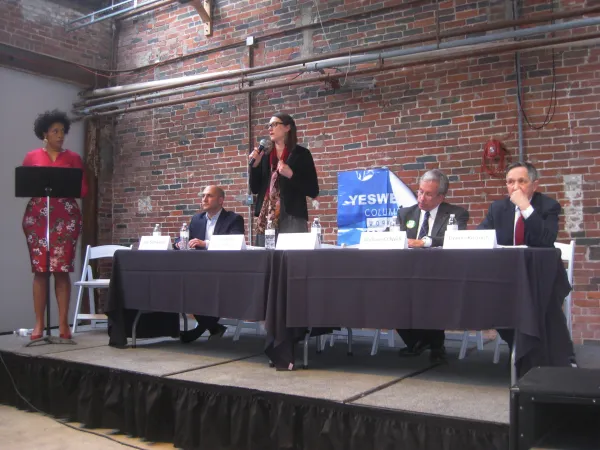
As the primary election for Ohio governor draws near, voters want to know where candidates stand on issues that affect Ohioans the most. To get some answers, Yes We Can Columbus hosted a candidates’ forum on March 12 at Strongwater Food and Spirits.
Democratic and Green gubernatorial candidates answered questions that were crowdsourced from the audience — about economic segregation, affordable housing, funding public education, police brutality, abortion rights, and gun control. Candidates proposed various solutions to these issues, but they had no major disagreements about the causes and nature of the problems.
Candidates did disagree about the influence of moneyed interests in politics. Moderator Dr. Melissa Crum asked the candidates these questions: Will you pledge to refuse contributions from corporate PACs, from the fossil fuel industry, and from the National Rifle Association? And what will you do fight the influence of money in our politics at all levels of government?
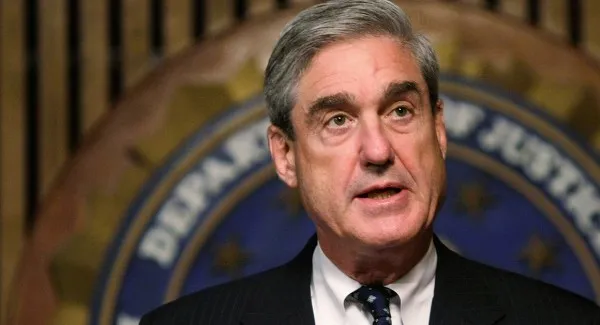
It’s hard to know where to begin. Last Friday’s indictment of 13 Russian nationals and three Russian companies by Special Counsel Robert Mueller was detailed in a 37 page document that provided a great deal of specific evidence claiming that a company based in St. Petersburg, starting in 2014, was using social media to assess American attitudes. Using that assessment, the company inter alia allegedly later ran a clandestine operation seeking to influence opinion in the United States regarding the candidates in the 2016 election in which it favored Donald Trump and denigrated Hillary Clinton. The Russians identified by name are all back in Russia and cannot be extradited to the U.S., so the indictment is, to a certain extent, political theater as the accused’s defense will never be heard.

ometimes a party’s leader seems to symbolize an enduring malaise. For Democrats in 2018, that institutional leader is Tom Perez.
While serving as secretary of labor during President Obama’s second term, Perez gained a reputation as an advocate for workers and civil rights. That image may have helped him win a narrow election among Democratic leaders to become chair of the Democratic National Committee, with the backing of Hillary Clinton loyalists eager to prevent the top DNC job from going to Bernie Sanders supporter Rep. Keith Ellison.