
THE G-20 IN PITTSBURGH
by Tom Over 9-23-09
<br><br>
On Tuesday, Sept 22, activists from Philadelphia, New York City, Pittsburgh and other cities held a mock funeral procession to demand better policies for addressing the AIDS pandemic, a day ahead of the arrival of delegates for the G-20.
<br><br>
The approximately 50 participants in the New Orleans-style funeral march drew a mix of interest, irritation, and amusement from onlookers in the business district of downtown Pittsburgh.
<br><br>
At the head of the funeral march where pallbearers carried a cardboard coffin, a man shouted into a microphone while someone else carried a portable amplifier, “when people with AIDS are under attack, what do we do ?” and marchers shouted in unison, “fight back!”
<br><br>
Amidst the early afternoon bustle of an weekday, the demonstrators repeated this call-and-answer and similar chants as the funeral march made its way around the perimeter of the David L. Lawrence Convention Center, the site of the G-20 Summit later this week.
<br><br>
Erica Goldberg works with ACT UP Philadelphia. She said global health is not on the agenda of the G-20 Summit.
“One of the things that some of the G-20 nations have promised us is funding for the global fund to fight, TB, malaria, and HIV/AIDS. This is all really important, especially if we want to meet the United Nations’ Millennium goal of eradicating these diseases by 2015. As of right now, this won’t be met. We have to hold our leaders accountable. They are the ones making decisions for the poorer countries,” Goldberg said.
<br><br>
She commented on the timing of the demonstration. “We wanted this to be the first thing they (the G-20 delegates) see. They’re coming here tomorrow. We’re holding them accountable. This needs to be on the agenda.”
<br><br>
She said AIDS activists chose Sept 22, two days before the official start of the G-20 Summit, and one day before the arrival of the delegates, so as to not have to compete with other protests. Also, she said the AIDS activists figured there would be less of a chance of conflict with police if they staged their protest earlier in the week.
<br><br>
“We hope that this will hit the papers tomorrow, that it’s the first thing they see when they walk in, that they have this on their conscience and know we’re not going away,” Goldberg said. She urges people to contact legislators about supporting the Global Fund to Fight AIDS, Tuberculosis, and Malaria.
“President Obama, as much as I love him, went back on his promise to fulfill the funding,” Goldberg said.
<br><br>
She commented on how drug companies factor into all of this. “ Medication does not need to be this expensive. They can definitely lower their prices. We have big drug interests lobbying to prevent AIDS medication from getting” to developing nations.
<br><br>
Goldberg said debt cancellation for developing nations is a factor that comes into play.
“When you don’t cancel debts of nations and they have to pay back loans to the IMF and the World Bank, they won’t have the funds necessary for getting AIDS medication, or they might get the medication but can’t pay the health professional because of their debt.
<br><br>
She said vested interested motivated by huge profits stand in the way of doing a better job of addressing tuberculosis, malaria, and HIV/AIDS. “We have the power, the ability, and the medication.”
World News

If one were to argue that a top Spanish government official would someday declare that
“from the river to the sea, Palestine would be free”, the suggestion itself would have
seemed ludicrous.
But this is precisely how Yolanda Diaz, Spain's Deputy Prime Minister, concluded a
statement on May 23, a few days before Spain officially recognized Palestine as a state.
The Spanish recognition of Palestine, along with the Norwegian and Irish recognition, is
most important.
Western Europe is finally catching up with the rest of the world regarding the
significance of a strong international position in support of the Palestinian people and in
rejection of Israel’s genocidal practices in occupied Palestine.
But equally important is the changing political discourse regarding both Palestine and
Israel in Europe and all over the world.
Almost immediately after the start of the Israeli war on Gaza, some European countries
imposed restrictions on pro-Palestinian protests, some even banning the Palestinian flag,
which was perceived, through some twisted logic, as an antisemitic symbol.
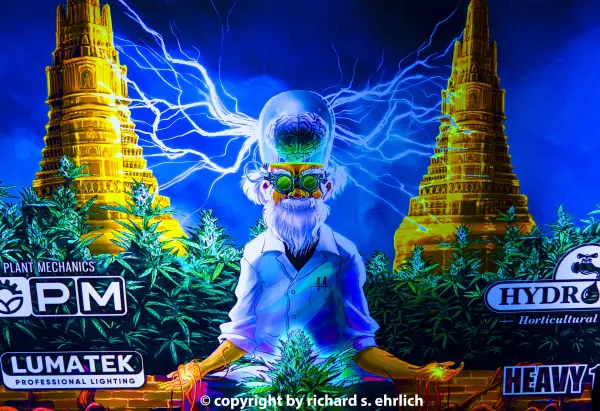
BANGKOK, Thailand -- Two years after a military-led government decriminalized cannabis, Thailand's elected civilian prime minister announced he will end its recreational use in December, shut thousands of licensed weed shops, and punish anyone involved with marijuana unless for medical use.
The sudden reversal threatens the popularity of an already squabbling coalition government elected in May 2023 under Prime Minister Srettha Thavisin and his influential Pheu Thai (For Thais) Party.
They are staunchly anti-marijuana, but some powerful parties in the coalition favor regulated recreational use and production, similar to alcohol or tobacco, to boost Thailand's struggling economy.
Cannabis investors, farmers, sellers, and consumers expressed outrage and said if weed becomes illegal again, it would destroy Thailand's rapidly expanding, multi-million dollar cannabis industry which includes international tourists buying the most expensive buds.
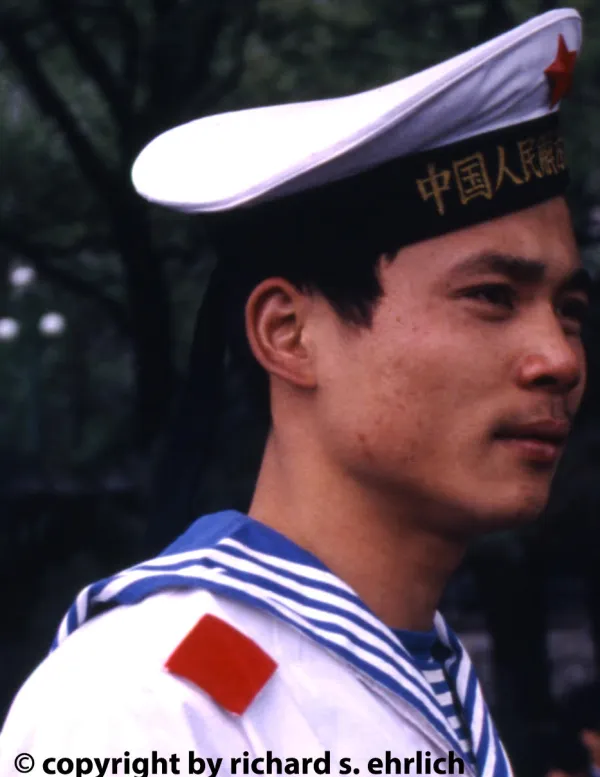
BANGKOK, Thailand -- China and the U.S. are competing for liquid real estate, undersea resources, and military advantage among the South Pacific's isolated island nations, and trying to manipulate their economies, airstrips, seaports, and security forces.
China is widely perceived as expanding its Belt and Road network across the Pacific's watery "Blue Continent" to eventually reach North, Central, and South America plus the Antarctica, and empower Beijing's military, markets, international policies, and diplomacy.
On May 2, China scored a victory when the strategic Solomon Islands elected pro-Beijing Prime Minister Jeremiah Manele, 55, formerly foreign minister in the China-friendly government of outgoing prime minister Manasseh Sogavare.
The U.S., Australia, New Zealand and their allies were already worried because the two countries signed a 2022 bilateral Solomon Islands Security Agreement.
Critics feared the China-Solomon Islands pact could allow Beijing to construct a navy base on the islands, 1,200 miles (2,000 kms) northeast of Australia.
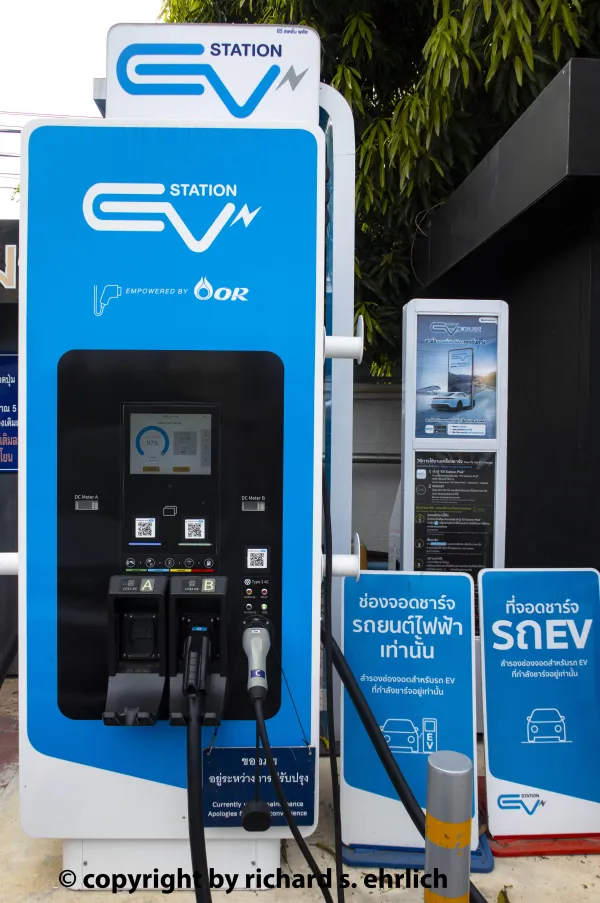
BANGKOK, Thailand -- China's imported electric vehicles (EVs) are heavily denting U.S. and Japanese car sales in Thailand, so Chinese manufacturers are investing more than a billion dollars to assemble their EVs near Bangkok to expand domestic sales and international exports.
Thailand prides itself as "The Detroit of Asia".
Toyota, Isuzu, Mitsubishi, Honda, Ford and other manufacturers dominate a swelling domestic market for traditional internal combustion cars fueled by gasoline, diesel, or LPG.
Thailand is Southeast Asia's biggest exporter of those vehicles, rolling out 2.5 million annually.
Those numbers are expected to grow after China recently began exporting its EVs into Thailand's domestic market, while constructing facilities in Thailand to assemble Chinese EVs for additional sales here and abroad.
If the U.S., Europe and elsewhere enforce strict quotas limiting imports of "Made in China" vehicles, future Chinese cars "Made in Thailand" could challenge that.
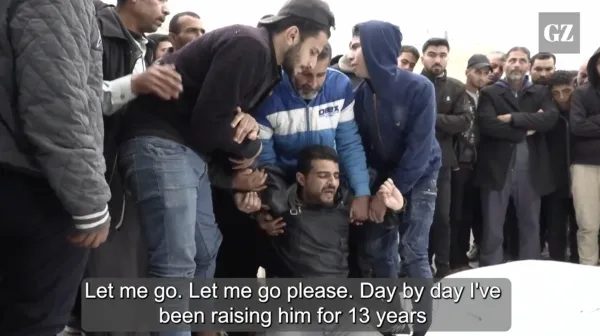
What is taking place in occupied Palestine is not a conflict, but a straightforward case of illegal military occupation, apartheid, ethnic cleansing and outright genocide.
Those who insist on using ‘neutral’ language in depicting the crisis in Palestine are harming the Palestinian people beyond their seemingly innocuous words.
This morally non-committal, middle-ground language is now at work in Gaza. Here, the harm of this ‘impartiality’ is greatest.
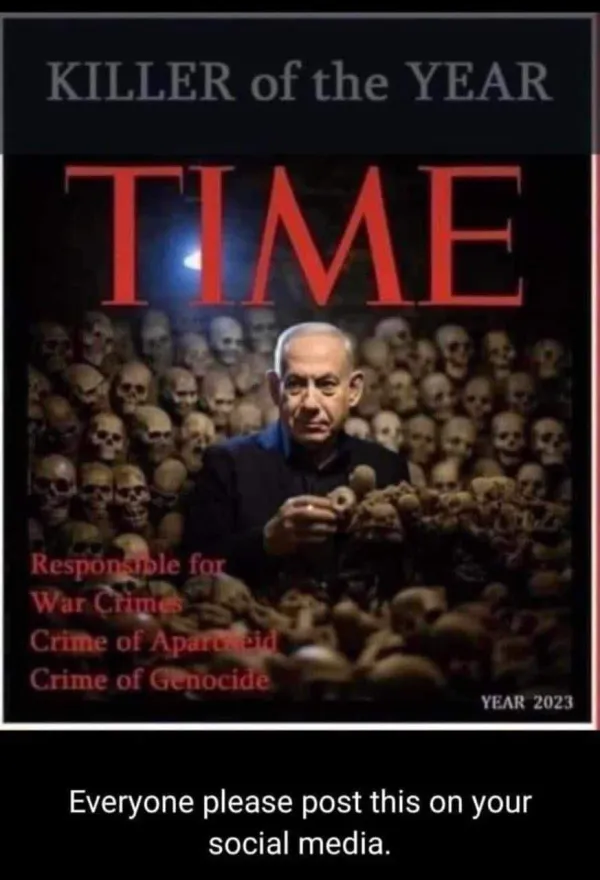
Well friends, the verdict is in! If you are opposed to Israel’s slaughter of something like forty thousand Palestinians, mostly women and children, or the clearly enunciated plans by that nation’s government to ethnically cleanse the rest of historic Palestine, making the developing Eretz or Greater Israel a legally Jewish state, and are prepared to protest or speak up about it, then you are an antisemite Jew-hater and probably even a holocaust denier. If you are a student demonstrating against the slaughter you are increasingly being referred to by talking heads and the media as a pro-Hamas terrorist. That you must be condemned and sanctioned or even criminalized as a consequence of the labels is only fair in a country that apparently has come to believe that Jews and Israel, uniquely, cannot be criticized due to their cited ad nauseam victimhood and their anointment by God no matter what the First Amendment to the US Constitution relating to freedom of speech might say.
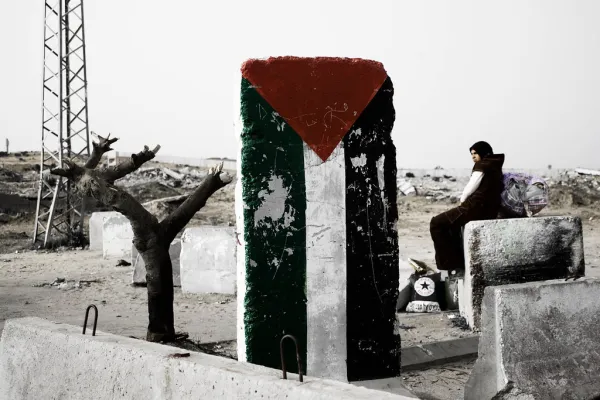
The outcome of the Palestine vote and the American veto at the United Nations Security Council on April 18 was predictable. Though European countries are becoming increasingly supportive of a Palestinian state, the United States is not yet ready for this commitment.
These are some of the reasons that the US deputy envoy to the UN, Robert Wood, vetoed the resolution.
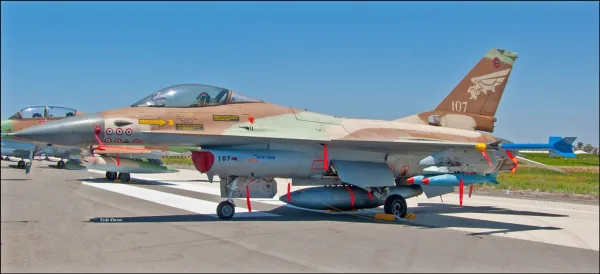
Given the lying and fact twisting that have routinely been part and parcel of accounts of what is occurring in the Middle East, the past several weeks have nevertheless been shocking in terms of how an abysmally low standard of truth can be reduced even farther. Looking at developments objectively, one comes up with a series of facts. First of all, Israel was not at war with either Syria or Iran during the first weeks in April. Iran had never attacked Israel prior to that point and Syria last fought Israel in 1973, over fifty years ago. Israel, however, has regularly been assassinating Iranian officials and scientists and it has been frequently been bombing Syria since 2017, increasing the pace to weekly and sometimes even daily attacks over the past six months paralleling the Gaza fighting.
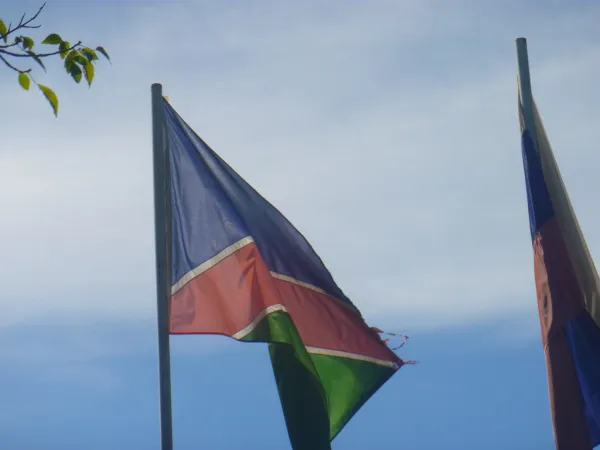
The distance between Gaza and Namibia is measured in the thousands of kilometers. But the historical distance is much closer. This is precisely why Namibia was one of the first countries to take a strong stance against the Israeli genocide in Gaza.
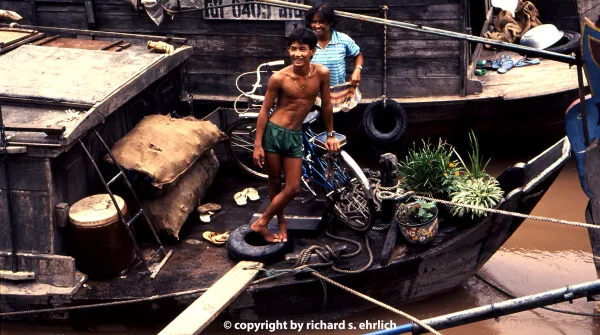
BANGKOK, Thailand -- Cambodia wants to divert Southeast Asia's Mekong River into a planned $1.7 billion, Chinese-financed shipping canal to reach a deep-sea port at Kep near Sihanoukville on southern Cambodia's Gulf of Thailand coast.
The canal would enable Cambodians to be "breathing through our own nose," said newly elected Prime Minister Hun Manet, son and heir to long-time authoritarian former prime minister Hun Sen.
Cambodia, for the first time, could to import and export goods by ship from its capital Phnom Penh's port via the canal to a would-be deepwater port in Kep province on the Gulf of Thailand, opening onto the South China Sea.
Ships to and from Hong Kong, Singapore, and other ports could reroute, or add shipping lanes, to Kep to access the canal if it increases trade.
Shipping containers from those ocean-going vessels would be transferred by cranes at Kep to and from canal barges.
A successful Chinese-financed canal would also deepen Beijing's economic, diplomatic, and other links with Phnom Penh, and lessen Cambodia's dependence on Hanoi.