
THE G-20 IN PITTSBURGH
by Tom Over 9-23-09
<br><br>
On Tuesday, Sept 22, activists from Philadelphia, New York City, Pittsburgh and other cities held a mock funeral procession to demand better policies for addressing the AIDS pandemic, a day ahead of the arrival of delegates for the G-20.
<br><br>
The approximately 50 participants in the New Orleans-style funeral march drew a mix of interest, irritation, and amusement from onlookers in the business district of downtown Pittsburgh.
<br><br>
At the head of the funeral march where pallbearers carried a cardboard coffin, a man shouted into a microphone while someone else carried a portable amplifier, “when people with AIDS are under attack, what do we do ?” and marchers shouted in unison, “fight back!”
<br><br>
Amidst the early afternoon bustle of an weekday, the demonstrators repeated this call-and-answer and similar chants as the funeral march made its way around the perimeter of the David L. Lawrence Convention Center, the site of the G-20 Summit later this week.
<br><br>
Erica Goldberg works with ACT UP Philadelphia. She said global health is not on the agenda of the G-20 Summit.
“One of the things that some of the G-20 nations have promised us is funding for the global fund to fight, TB, malaria, and HIV/AIDS. This is all really important, especially if we want to meet the United Nations’ Millennium goal of eradicating these diseases by 2015. As of right now, this won’t be met. We have to hold our leaders accountable. They are the ones making decisions for the poorer countries,” Goldberg said.
<br><br>
She commented on the timing of the demonstration. “We wanted this to be the first thing they (the G-20 delegates) see. They’re coming here tomorrow. We’re holding them accountable. This needs to be on the agenda.”
<br><br>
She said AIDS activists chose Sept 22, two days before the official start of the G-20 Summit, and one day before the arrival of the delegates, so as to not have to compete with other protests. Also, she said the AIDS activists figured there would be less of a chance of conflict with police if they staged their protest earlier in the week.
<br><br>
“We hope that this will hit the papers tomorrow, that it’s the first thing they see when they walk in, that they have this on their conscience and know we’re not going away,” Goldberg said. She urges people to contact legislators about supporting the Global Fund to Fight AIDS, Tuberculosis, and Malaria.
“President Obama, as much as I love him, went back on his promise to fulfill the funding,” Goldberg said.
<br><br>
She commented on how drug companies factor into all of this. “ Medication does not need to be this expensive. They can definitely lower their prices. We have big drug interests lobbying to prevent AIDS medication from getting” to developing nations.
<br><br>
Goldberg said debt cancellation for developing nations is a factor that comes into play.
“When you don’t cancel debts of nations and they have to pay back loans to the IMF and the World Bank, they won’t have the funds necessary for getting AIDS medication, or they might get the medication but can’t pay the health professional because of their debt.
<br><br>
She said vested interested motivated by huge profits stand in the way of doing a better job of addressing tuberculosis, malaria, and HIV/AIDS. “We have the power, the ability, and the medication.”
World News

BANGKOK, Thailand -- Liberal Pita Limjaroenrat, 32, won the most seats in Sunday's (May 14) nationwide elections, and is trying to form a coalition to become prime minister, possibly sharing power with a scion of Thailand's two convicted coup-toppled leaders, challenging the governing, putsch-empowered, U.S.-trained military.
The popularity of Mr. Pita and Paetongtarn Shinawatra in Parliament's 500-member House of Representatives faces harsh "screening" by the military's 250-seat appointed Senate which does not agree with the two civilians' policies or plans.
A prime minister is expected to be named during the next few months after political wrangling to form a coalition.
This Buddhist-majority Southeast Asian nation is closely watched and wooed by Washington and Beijing.
Thailand's friendly diplomatic, commercial, and military balancing act between the U.S. and China is expected to remain unchanged no matter who wins the election.
Early unofficial results indicated Mr. Pita and his liberal, youth-led Move Forward Party (MFP) scored big wins, appearing to outpace Ms. Paetongtarn's party.
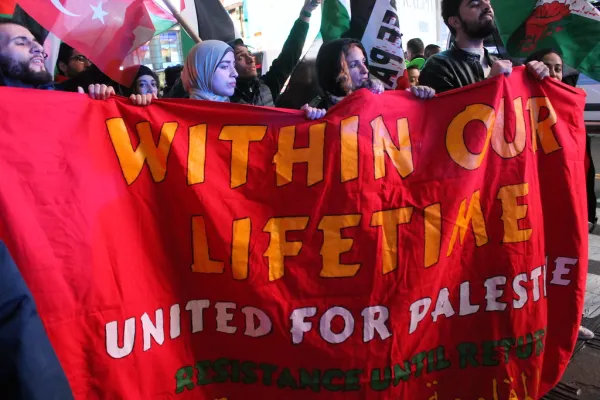
All Israeli wars on the Palestinians throughout the years have been promoted and justified by Tel Aviv in the name of ‘security’ and ‘fighting terrorism’.
Israel’s biggest challenge throughout many of these wars was hardly the Palestinian Resistance, however steadfast and resilient. The challenge has always been Tel Aviv’s ability to kill many Palestinians, including civilians, without tarnishing its image internationally as an oasis of democracy and civilization.
Israel has been losing the public relations battle and rapidly so and, now, it is losing a different kind of battle as well.
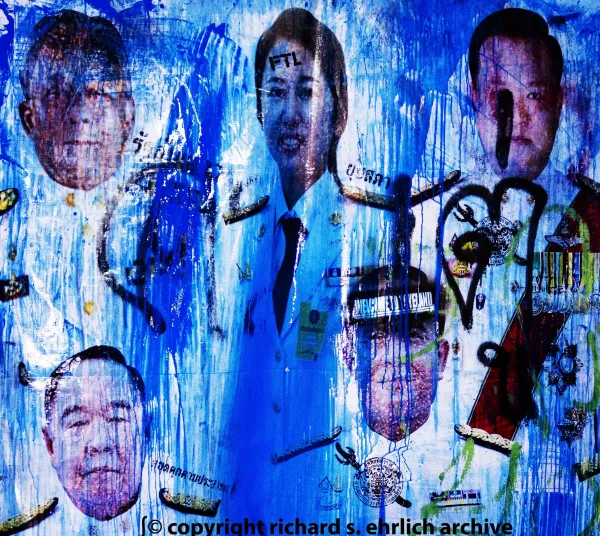
BANGKOK, Thailand -- A dynastic daughter of the billionaire, anti-coup Shinawatra family is leading opinion polls to become prime minister in Sunday's (May 14) nationwide elections, but her victory could trigger another putsch by the coup-empowered, politicized, U.S.-trained military.
Paetongtarn Shinawatra and her Pheu Thai (PTP) "For Thais" party's massive popularity sparked warnings by Thai media, politicians, academics, and others that the military may ignore the majority or crush them with fresh coup.
Responding to Thailand's latest public spasm of coup anxiety, Army Chief Gen. Narongpan Jittkaewtae told reporters on May 11:
"I can assure you that what occurred in the past, the chance is zero now," Gen. Narongpan said.
The army chief censored himself -- and asked all journalists to conform -- against uttering, publishing, or looking up the dictionary definition of the word "coup".
His linguistic demand made it difficult for him to say bluntly no coup would happen, and instead limited him to euphemisms.

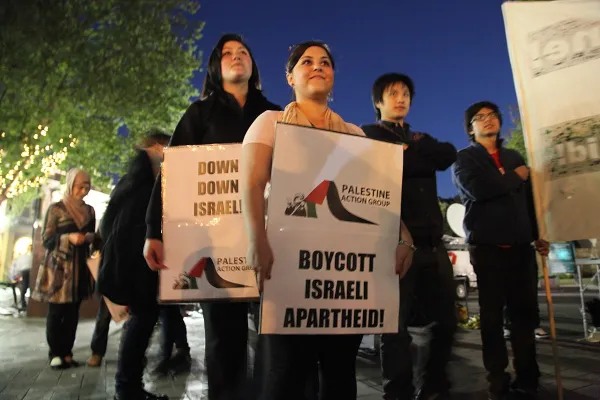
A succession of events starting in Barcelona, Spain, in February, and followed in Liège, Belgium, and Oslo, Norway, in April sent a strong message to Israel: The Palestinian Boycott, Divestment and Sanctions movement (BDS) is alive and well.
In Barcelona, the city's Mayor canceled a twinning agreement with the Israeli city of Tel Aviv. The decision was not an impulsive one, although Ada Colau is well-known for her principled positions on many issues. It was, however, an outcome of a fully democratic process, initiated by a proposal submitted by left-wing parties at the city council.

In fact, the US debacle in Iraq and the Middle East, and the humiliating retreat from Afghanistan were only signs of the decline in US power.
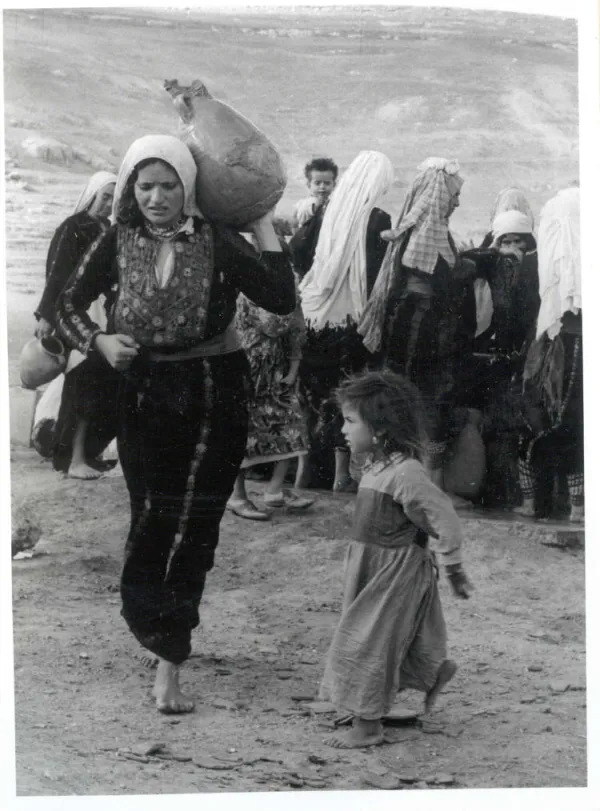
On May 15, 2023, the Palestinian Nakba will be 75 years old.
Palestinians all over the world will commemorate the tragic occasion, known as the 'Catastrophe', when nearly 800,000 Palestinians were made refugees and nearly 500 towns and villages were ethnically cleansed of their inhabitants in historic Palestine between late 1947 and mid-1948.

Who would have expected that the BRICS nations could rise as the potential rival of the G7 countries, the World Bank and the IMF combined? But that once seemingly distant possibility now has real prospects which could change the political equilibrium of world politics.

By ordering a brutal attack against Palestinian worshipers inside Al-Aqsa Mosque on the 14th day of the holy Muslim month of Ramadan, Israeli Prime Minister Benjamin Netanyahu knew very well that the Palestinians would retaliate.

When I excitedly shared the news on social media that Indonesia had refused to host the Israeli team as part of the Under-20 World Cup, scheduled from May 20 to June 11 in Indonesian cities, some readers were unimpressed.