
Global
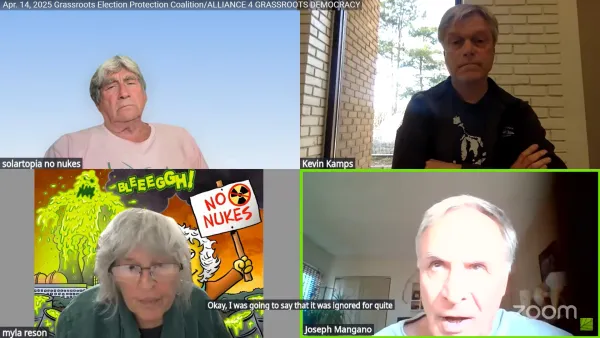
Medical specialist DR. NANCY NIPARKO opens GREEP Zoom #220 with a direct quote from Donald Trump and a diagnostic prognosis.
Financial organizer JERRY ASHTON tells us his organizing has helped retire $45 billion in medical debt for more than 5 million people, including thousands of veterans, many of whom have thus avoided suicide.
Poet Laureate MIMI GERMAN tells us of HEIDI STRANGE-SKY LAMBERT, who was duly elected mayor of Waldport, Oregon, only to be forcefully removed by the bad bully she was duly elected to remove as mayor. Heidi’s amazing story of being bullied out of the mayor’s office is going global.
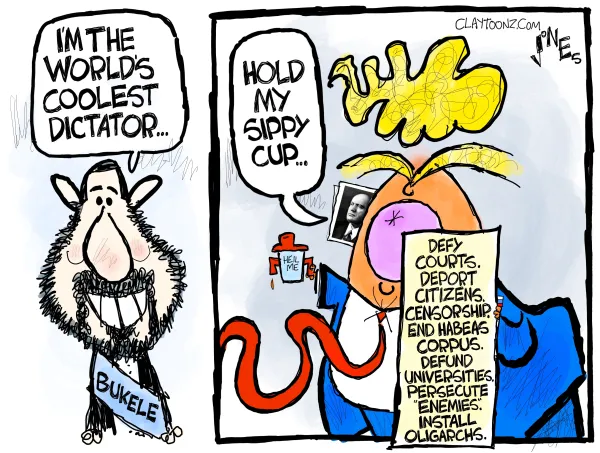
The story of Elon Musk’s pro-apartheid parents follows in sequence with our discussion of the rise of Trumpian fascism.
Long-time activist DOROTHY REIK expresses her intense dismay that the LA Dodgers went to see Trump in the White House, and calls for a general strike.
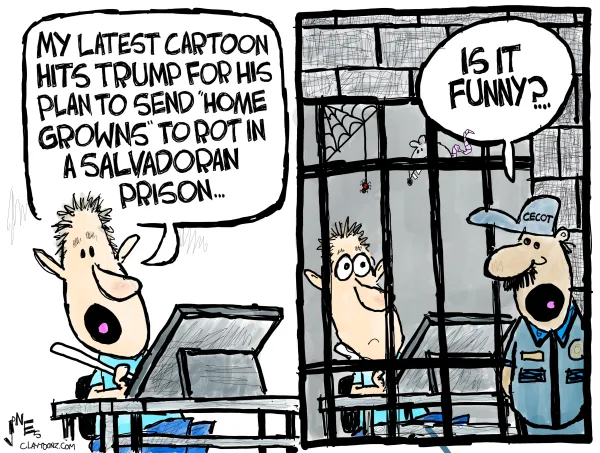
Having attended the Bernie/AOC rally in Los Angeles, MYLA RESON also references Trump’s desire to have “home growns” shipped to death camps in El Salvador.
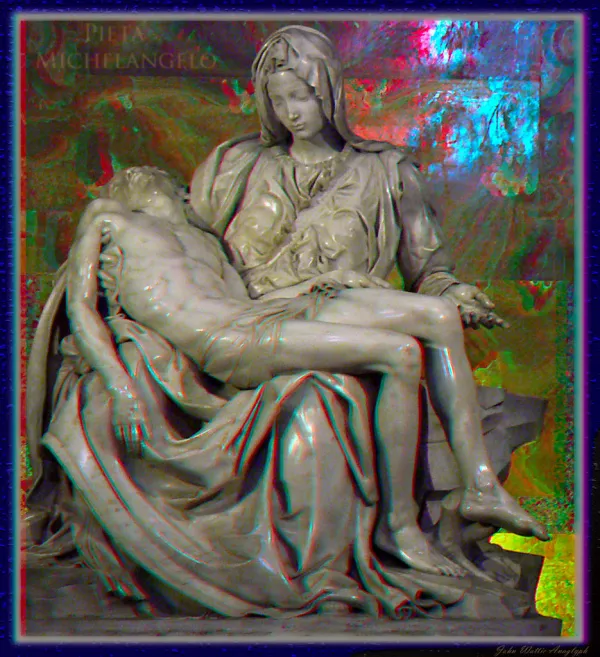
Michelangelo’s Pieta, the larger-than-life sculpture of the crucified Christ held tenderly in Mother Mary’s lap, has attracted visitors to Rome since it was installed in the old St. Peter’s Basilica more than 500 years ago.
Contemplation of the Pieta gifts one with the powerful presence of sacrifice and divine acceptance, life summoned from stone, transcending death. Christians approach Good Friday with two powerful remembrances: Christ’s sacrifice and redemption on The Cross, and the acceptance, love and compassion expressed through The Pieta.
Countless images emerging from Gaza, of the sudden deaths of children, by bombing, shrapnel, gunshots, and grieving parents evoke modern day Pietas, occurring with terrible frequency. Unlike Michaelangelo’s crucified Christ, the dead children are seldom intact.
They are horribly mangled and disfigured, limbless, headless, often identified by a scrap of clothing. Yet, the bereaved parents, holding what is left of their child wrapped in white shroud, look to the heavens, and, resonating with divine grace and acceptance recite “Allah Akbar,” God is Great.
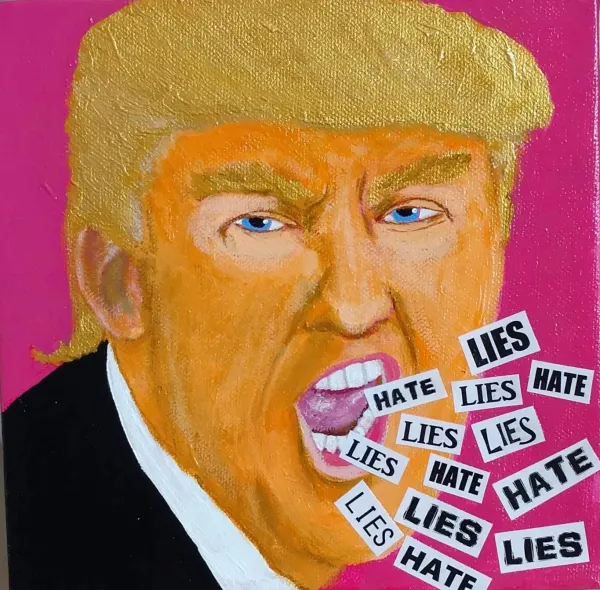
“Why do you think Trump is racist”. This question was asked of me recently, in all seriousness as far as I could tell. Since everyone in America knows he is racist, I am unsure why I am writing this. Here goes.

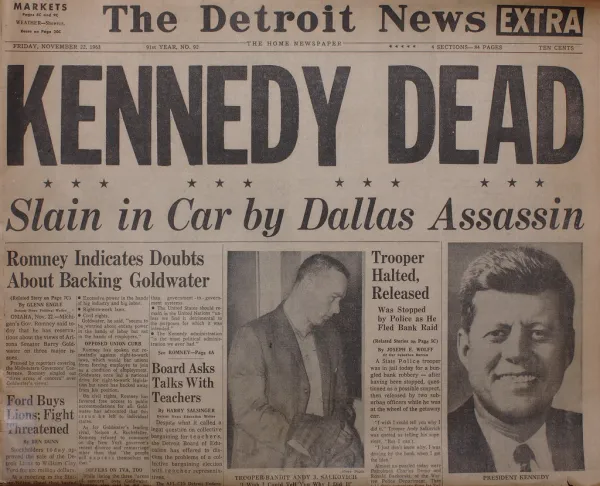
This is my summary of the JFK assassination document release. Trump's executive order has not been fully implemented, as documents on the Robert Kennedy and Martin Luther King are not released, nor are 9/11 documents. The Epstein documents are heavily redacted, probably due to Trump's many trips to Epstein Island. Researchers will spend months reviewing all the documents.
The biggest revelation is that there is definite proof that "lone nut" Oswald was under close scrutiny by CIA's James Angleton over 4 years from 1959 until he Oswald was murdered in Dallas police custody. The documents show that Angleton was almost certainly using Oswald in some type of operation, although it falls short of “proof”, and leaves open the question of whether Oswald was a witting participant or a or unwitting patsy.