
Global

“Renee sparkled. She literally sparkled. I mean, she didn’t wear glitter but I swear she had sparkles coming out of her pores. All the time. You might think it was just my love talking but her family said the same thing. Renee was made of sunshine.”
The words are those of Renee Good’s wife Becca. They cut to our heart – our humanity. She was shot in the face by an ICE agent, who then muttered: “Fuckin’ bitch.” The murder of this 37-year-old mom as she tried to drive around the ICE guys who stopped her is national news, of course. Almost everyone has seen at least one of the many videos of the incident and, you might say, the national dialogue about virtually anything else has been put on hold.

Immigration and Customs Enforcement (ICE) has arrested, detained, deported, and/or imprisoned many people that it has unilaterally determined to be undesirables. At first, they claimed they would deport only criminals, but it has already gone beyond that. We at the Free Press consider every person who has been sent to the Tecoluca (El Salvador prison), Guantanamo naval base, or detained in other prisons throughout the country to be innocent until proven guilty. We will include students who have been expelled for protesting genocide. It appears the government will revoke Visa's to get rid of undesirable students. This article will be updated as long as is necessary.
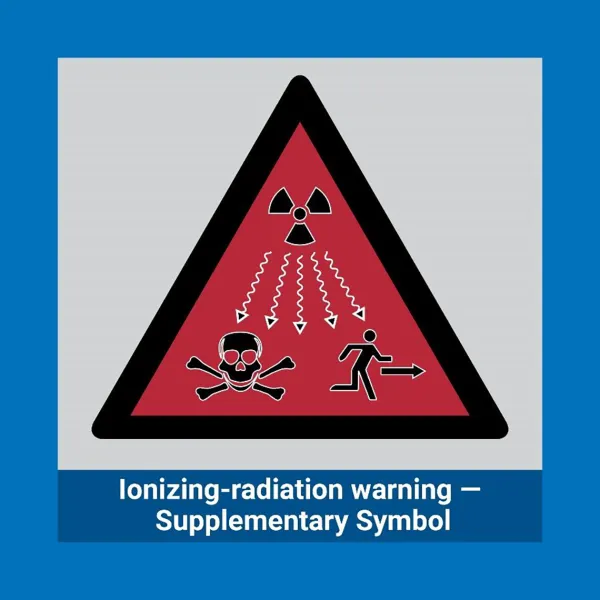
On the southeastern shore of Lake Michigan, an extremely hot, intensely radioactive 1,000-pound nuclear fuel assembly sits somewhere under specially treated water inside the Palisades nuclear power plant. That assembly has “tilted from its upright position,” according to the U.S. Nuclear Regulatory Commission, and may have damaged other key components of the plant.
But the commission, nevertheless, just green-lighted a risky retrieval operation by the plant’s owner, the New Jersey-based Holtec Company. The “regulators” in charge of all this answer to Donald Trump who can fire any NRC employee at will, based on the Slaughter decision of the U.S. Supreme Court this year.
Despite serious uncertainties and vast potential danger, Holtec is now approved to pull those extremely radioactive rods out of the reactor core.
Trump is personally invested financially in the nuclear power industry.
Billions are at stake. Holtec needs Palisades to open ASAP.
2026 Mid-Terms On The Brink Of Election Protection & The Palisades Nuke On The Brink Of Total Fiasco
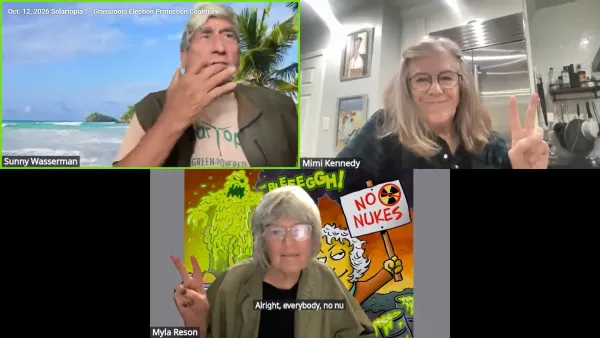
We start GREEP #283 with the great RAY MCCLENDON’S comprehensive report from Georgia, where voting has actually begun.
From the Battleground Alliance’s HEATHER BOOTH we hear the need to protect the millions of early votes already pouring into the election centers.
Co-convenor MIKE HERSH reminds us that people power will beat money power any time.
Our resident nitty-gritty expert MIMI KENNEDY reminds us that while we’re all anxious, it’s vital we check our registrations, even with screen shots, as “proof is what this election is about.”
Scrutineers’ board member DALE AXELROD urges us to record the poll tapes that may be posted at the precincts.
GREEP engineer STEVE CARUSO emphasizes the dangers now facing our democracy.
California-based expert RAY LUTZ gives us the inside story on the need for real-world paper-based audits to guarantee a credible election.
From E.J. SCOTT we get the word on a 6-step “democracy action passport” to citizens active in the critical steps to become a “democracy ambassador.”

Exactly sixty years ago, 24-year-old Huey P. Newton and 29-year-old Bobby Seale, two college students, formed the Black Panther Party for Self-Defense in Oakland, California in response to citizens’ complaints of mistreatment by the police. The police department had a history of cracking heads for sport and harassing people for no legitimate reason. Not surprisingly, Black and brown people were disproportionately targeted for this special kind of treatment.
Rodney Ellis forged 750,000 ballots in an attempt to steal the election away from Donald Trump — or so say the MAGA-nauts.
Ellis supposedly did this dastardly deed all while running Harris County, which includes Houston.
I asked the alleged perp himself, County Commissioner Ellis, how he could possibly forge three-quarters of a million absentee ballots. At eight seconds per signature, it would take a normal human about 200 years to sign them all.
The Commissioner, an attorney, said, “I’m too lazy to sign hundreds of thousands of ballots. I’d be nuts.”
It would all be a laugh, except for the attempted murder and vigilantes armed with AR-15s at his daughter’s pajama party. It would be a laugh if not for the untold number of Black and Hispanic voters terrorized at ballot dropboxes. A laugh if not for Ken Paxton and his Ku-Kluxxing of the vote.
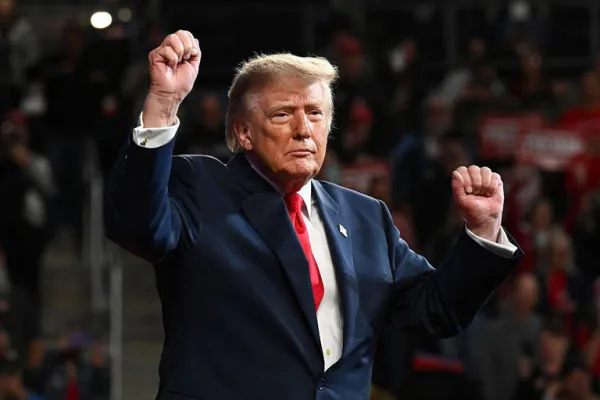
President Donald Trump delivered a bizarre speech at a campaign event in Tennessee on October 10, 2026, in which he reportedly chanted, “We will kill everyone,” referring to the Iranian people, and said, “Praise be to Allah.”
A U.S. president should never use such reckless and inflammatory language. The office demands judgment, restraint, and respect for human life—not rhetoric that trivializes mass killing or turns international tensions into a spectacle.
Mocking Islam and the nearly two billion Muslims who make up roughly a quarter of the world's population is equally unacceptable. Mimicking the phrase “Praise be to Allah” in a mocking context or referring to Michigan Senate candidate Abdul El-Sayed as “Mohammad,” raises serious concerns about religious prejudice and Islamophobic rhetoric. No religious community should be demeaned for political entertainment.
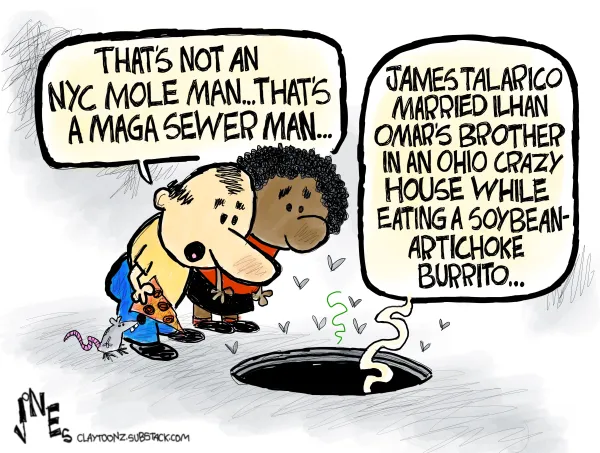
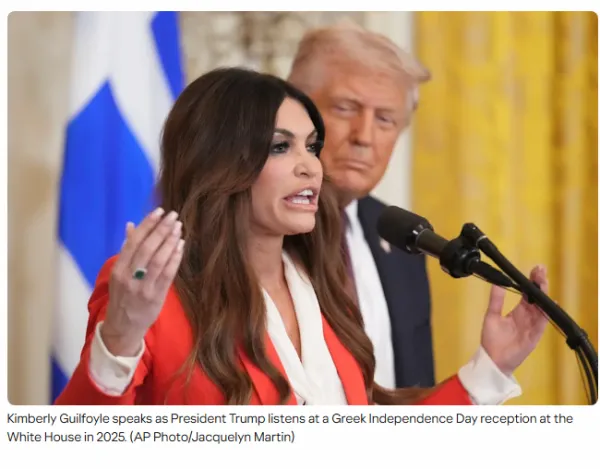
The White House has reportedly asked Kimberly Guilfoyle, U.S. Ambassador to Greece, to resign following allegations concerning her conduct. Guilfoyle has denied wrongdoing, and the allegations deserve a fair and thorough examination.
But this situation raises a broader question: Will there be a full investigation into possible misconduct, and will the same standards of accountability apply to everyone in public office?
This brings to mind the recent search of U.S. Representative Ilhan Omar’s home by federal agents as part of an ongoing criminal investigation reportedly related to immigration matters. The Justice Department has confirmed that a court-authorized search warrant was executed, but the specific details of the investigation have not been fully disclosed publicly. Source: AP News
These two cases raise an important question for the American public: Are public officials held to consistent standards of accountability, regardless of their political positions, affiliations, or identities?