
Global
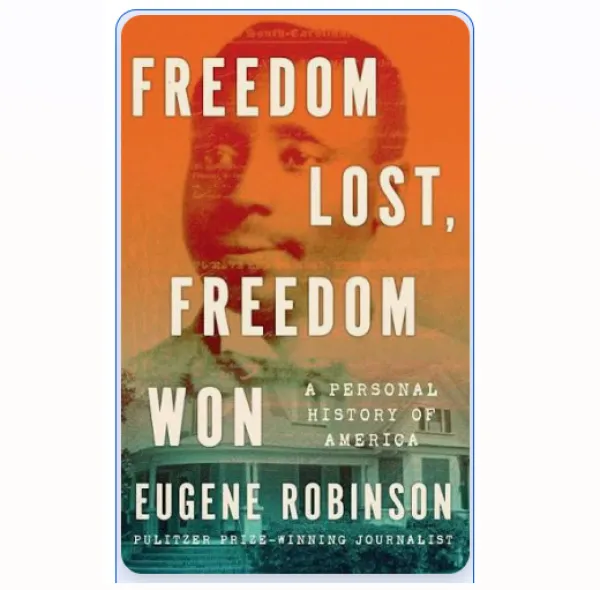
I have never been particularly interested in tracing my family tree. I’ve always enjoyed hearing family stories, but not enough to do the detailed detective work needed to trace back any further than my grandparents on either side. At one time my cousin Lawrence had done some digging and found that on my mother’s side of the family–our mothers were sisters–we are descendants of an enslaved man named Moses Grandy, who three times had to purchase his freedom. I have even read the short narrative that was written by him. Yet reading Freedom Lost, Freedom Found made me wonder if I have missed something by not following up with Lawrence.

Dr. Bob Fitrakis and Dan-o Dougan continue with Part 2 of their favorite and most influential guitar solos.
Listen live at 11pm Fridays, October 16 and October 23, and Mondays at 10am October 26 and November 2, streaming at wgrn.org or on the radio at 91.9FM
and
Mondays at 2pm streaming October 26 and November 2 at wcrsfm.org or on the radio at 92.7 or 98.3FM.

Speculation is growing over the sustainability of the United States’ model of global dominance which emerged as Washington ended the Second World War as plausibly the sole superpower. That role was first tested in the Korean War, which produced something of a stalemate in a confrontation that included China, and led to a Ceasefire Agreement which is still in place to this day. More recently the collapse of the Soviet Union in 1991, even given the disastrous and pointless war in Vietnam, confirmed the US’s superior military, political and financial status, leading to an affirmation of American dominance as an essential element in global political stability in several initiated and mandated policy documents including in the statement of principles spelled out in 1990’s which was later published in September 2000 as the Rebuilding America’s Defenses: Strategy, Forces, and Resources for a New Century: a Project for the New American Century (PNAC).
When a daughter goes missing, the world can suddenly become a frightening place for her parents. Every passing hour brings uncertainty, worry, and the desperate hope that she will return home safely.
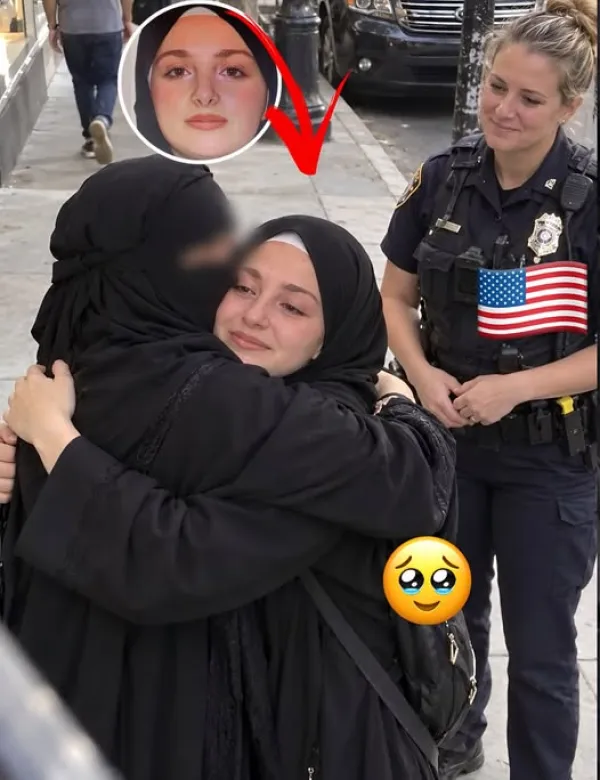
Recently, the disappearance of Suzan Alshehadeh, a 15-year-old Muslim girl from Waynesboro, Virginia, caught my attention. As I read about her case, I thought about her mother and father. What must they have been going through? As a father myself, I could imagine the fear of not knowing where my daughter was or whether she was safe.
When a child disappears, parents may find themselves unable to eat, sleep, or think about anything else. Every phone call may bring hope or fresh anxiety. They can only imagine what their child might be experiencing while praying for her safe return.
I was encouraged to learn that police and community members had joined the search. When a young person goes missing, the responsibility to help does not belong to the family alone. Police officers, neighbors, volunteers, and concerned strangers can all play an important role.
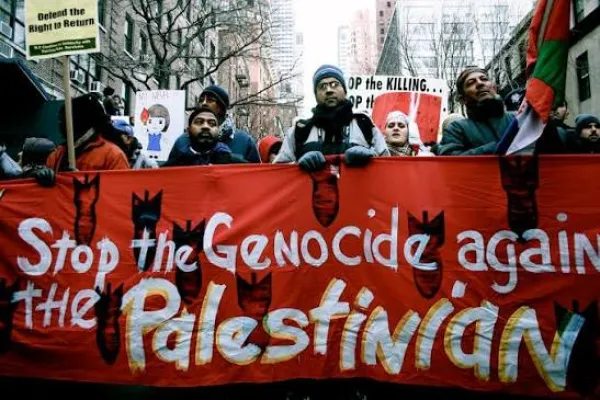
The Green Party has put the conversation back on track: the problem is not the lack of creative solutions to the Israeli occupation of Palestine. The problem is Zionism itself.
To appreciate the significance of Motion A105, adopted by the Green Party of England and Wales on October 4, consider its basic tenets.
The party is now formally anti-Zionist. It endorses the Palestinian right of return, supports one democratic state throughout historic Palestine, reaffirms its commitment to the Boycott, Divestment and Sanctions (BDS) movement, distinguishes anti-Zionism from antisemitism, and calls for a full arms embargo against Israel.
Though the decision may seem revolutionary within British politics, it is hardly revolutionary when examined against the history of Palestinian dispossession, beginning long before the Nakba of 1948.

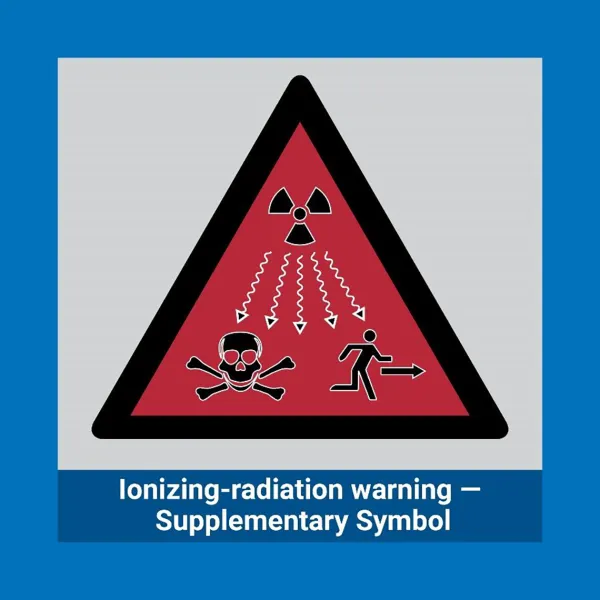
On the southeastern shore of Lake Michigan, an extremely hot, intensely radioactive 1,000-pound nuclear fuel assembly sits somewhere under specially treated water inside the Palisades nuclear power plant. That assembly has “tilted from its upright position,” according to the U.S. Nuclear Regulatory Commission, and may have damaged other key components of the plant.
But the commission, nevertheless, just green-lighted a risky retrieval operation by the plant’s owner, the New Jersey-based Holtec Company. The “regulators” in charge of all this answer to Donald Trump who can fire any NRC employee at will, based on the Slaughter decision of the U.S. Supreme Court this year.
Despite serious uncertainties and vast potential danger, Holtec is now approved to pull those extremely radioactive rods out of the reactor core.
Trump is personally invested financially in the nuclear power industry.
Billions are at stake. Holtec needs Palisades to open ASAP.
2026 Mid-Terms On The Brink Of Election Protection & The Palisades Nuke On The Brink Of Total Fiasco
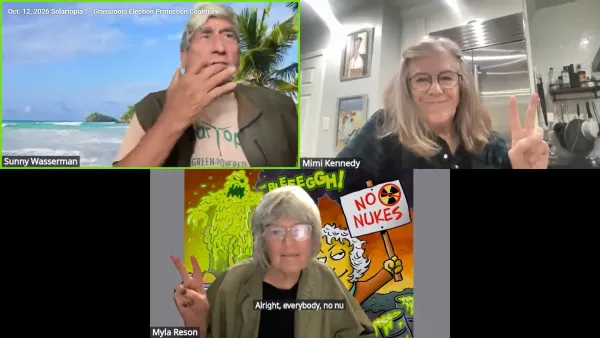
We start GREEP #283 with the great RAY MCCLENDON’S comprehensive report from Georgia, where voting has actually begun.
From the Battleground Alliance’s HEATHER BOOTH we hear the need to protect the millions of early votes already pouring into the election centers.
Co-convenor MIKE HERSH reminds us that people power will beat money power any time.
Our resident nitty-gritty expert MIMI KENNEDY reminds us that while we’re all anxious, it’s vital we check our registrations, even with screen shots, as “proof is what this election is about.”
Scrutineers’ board member DALE AXELROD urges us to record the poll tapes that may be posted at the precincts.
GREEP engineer STEVE CARUSO emphasizes the dangers now facing our democracy.
California-based expert RAY LUTZ gives us the inside story on the need for real-world paper-based audits to guarantee a credible election.
From E.J. SCOTT we get the word on a 6-step “democracy action passport” to citizens active in the critical steps to become a “democracy ambassador.”
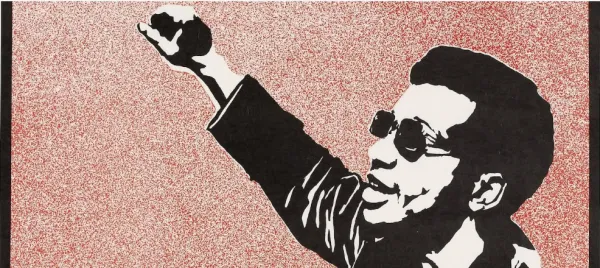
Exactly sixty years ago, 24-year-old Huey P. Newton and 29-year-old Bobby Seale, two college students, formed the Black Panther Party for Self-Defense in Oakland, California in response to citizens’ complaints of mistreatment by the police. The police department had a history of cracking heads for sport and harassing people for no legitimate reason. Not surprisingly, Black and brown people were disproportionately targeted for this special kind of treatment.