
Global
“Renee sparkled. She literally sparkled. I mean, she didn’t wear glitter but I swear she had sparkles coming out of her pores. All the time. You might think it was just my love talking but her family said the same thing. Renee was made of sunshine.”
The words are those of Renee Good’s wife Becca. They cut to our heart – our humanity. She was shot in the face by an ICE agent, who then muttered: “Fuckin’ bitch.” The murder of this 37-year-old mom as she tried to drive around the ICE guys who stopped her is national news, of course. Almost everyone has seen at least one of the many videos of the incident and, you might say, the national dialogue about virtually anything else has been put on hold.
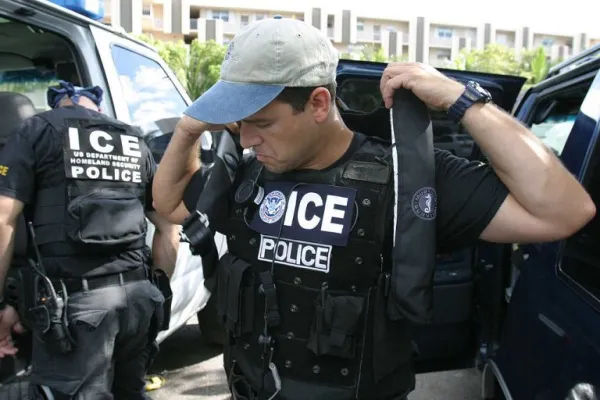
Immigration and Customs Enforcement (ICE) has arrested, detained, deported, and/or imprisoned many people that it has unilaterally determined to be undesirables. At first, they claimed they would deport only criminals, but it has already gone beyond that. We at the Free Press consider every person who has been sent to the Tecoluca (El Salvador prison), Guantanamo naval base, or detained in other prisons throughout the country to be innocent until proven guilty. We will include students who have been expelled for protesting genocide. It appears the government will revoke Visa's to get rid of undesirable students. This article will be updated as long as is necessary.

Politico has a new article out titled “Anthropic quietly pitches its own AI safety bill to lawmakers,” revealing the contents of a leaked confidential draft on regulations the tech giant would be willing to accept in the name of public safety.
Buried in paragraph four of the article, we come to the real story in these revelations:
“The bill would let the government block a model’s release or use only if it poses a foreseeable, imminent risk of more than $1 billion in damages, or of killing or seriously injuring more than 50 people. The risk must stem from the creation or release of a biological weapon, the model evading its developer’s controls or a cyberattack.”
So Anthropic’s proposed AI safety bill would allow lawmakers to block a model’s release only if it is on the precipice of killing/maiming more than 50 people or causing $1 billion in damages via bio weapon, cyberattack, or broken containment.

Hajar Benfares of Casablanca, Morocco, has a message for those who question her patriotism because she wears a Palestinian keffiyeh: solidarity with Palestine does not make her any less Moroccan. On the contrary, she says, her commitment to justice is rooted in her family’s own history of resistance.
In a recent Facebook post, Hajar Benfares (in the picture) described the online trolls who emerge whenever she shares a photograph of herself wearing the traditional Palestinian scarf. She said their attacks expose what she considers their pro-Zionist sympathies, hidden behind slogans of patriotism.
“I am more patriotic than any of you,” she declared.
Hajar explained that her grandfather took up arms in the struggle for Morocco’s independence, while her grandmother helped build the city of Fes, where the family home served as a hiding place for weapons used against colonial forces.
“This legacy of struggle did not emerge overnight,” she wrote. Raised in a family of fighters, including her aunts, mother, and father, Hajar sees her activism as an inheritance passed down through generations.
RSVP: https://grassrootsep.org/upcoming-zooms
Will Trump Declare Martial Law?
Another No Kings Day:
Did it Matter?
Early Voting / Relational Organizing
Make the Difference
Preparing to Protect the Vote Count:
Audits, Ghost Ballots, Vigilantes Inc.
UKRAINE: Trump Kills Sanctions
Famine Has Struck Occupied Regions
INTERVIEW WITH US SENATOR ED MARKEY
On the Brink of the Next 3 Mile Island:
Worsening Crisis at Palisades
-==============-
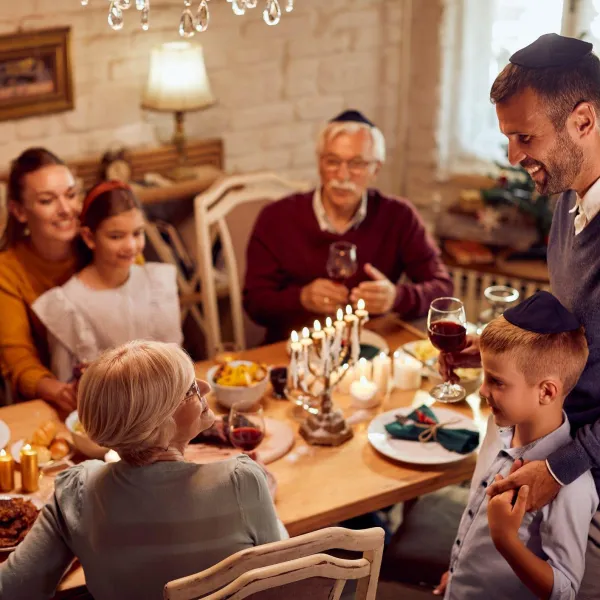
My dear Jewish American cousins,
I am writing to you out of concern, affection, and a sincere belief that we must stand together against prejudice, discrimination, and injustice, regardless of whom they target.
I feel your pain when I see President Donald Trump attack Jewish Americans, just as I have watched him target Muslims and immigrants. His rhetoric and policies have repeatedly deepened divisions among communities that should be standing together.
One of his earliest major executive actions was to restrict entry into the United States from several predominantly Muslim countries. He has also made sweeping and unfounded claims about Muslims, including his assertion that he had seen thousands celebrating in New Jersey after the September 11 attacks. Such rhetoric fuels suspicion against an entire community.
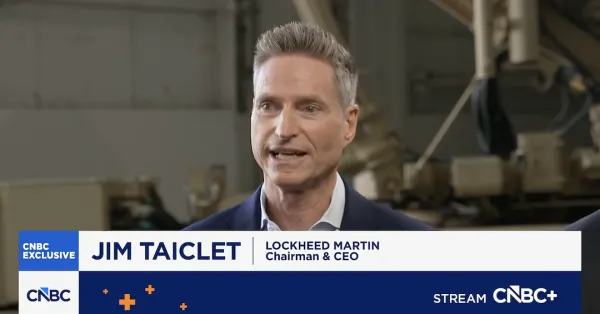
Today in dystopia, the military-industrial complex is reassuring investors that the wars will indeed be endless.
Asked about concerns over falling defense stocks in a recent interview on CNBC, Lockheed Martin CEO Jim Taiclet replied, “Investors need to know and understand that this demand is not fleeting — it’s permanent.”
In 2023 Taiclet called Washington’s soaring military budget “as good an outcome as our industry or our company could ask for.”
These people are such evil freaks. War profiteering should be fucking illegal.
❖
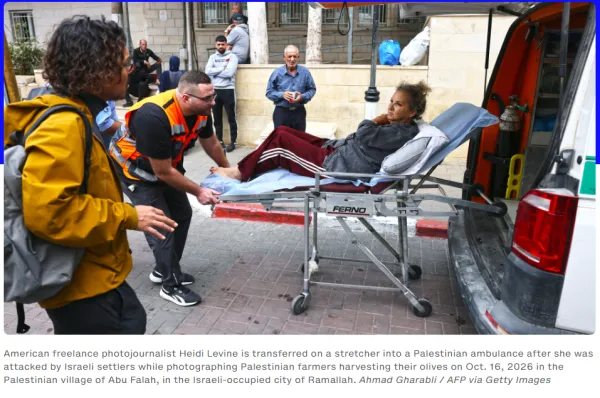
A Washington Post photojournalist was savagely beaten by a gang of Israeli settlers who were attacking Palestinian villagers on Friday, reportedly with the support of the IDF.
Dear President Trump,
On October 16, American photojournalist Heidi Levine, who works with The Washington Post, was brutally beaten by masked Israeli settlers while covering Palestinian olive harvesters in the Israeli-occupied West Bank. Her camera equipment and other belongings were also stolen. She was hospitalized with serious injuries. https://www.washingtonpost.com/world/2026/10/16/palestinians-washington-post-photographer-attacked-west-bank/
I have yet to hear you personally speak out about this attack. Why the silence, Mr. President? Did the cat get your tongue?
Independent journalist and Palestine activist Andrey X (@the_andrey_x) shared a video of Levine recounting the attack from her hospital bed. The footage and subsequent reporting make this incident difficult to dismiss. Surely, Mr. President, your staff—and our ambassador to Israel, Mike Huckabee—are aware of what happened.
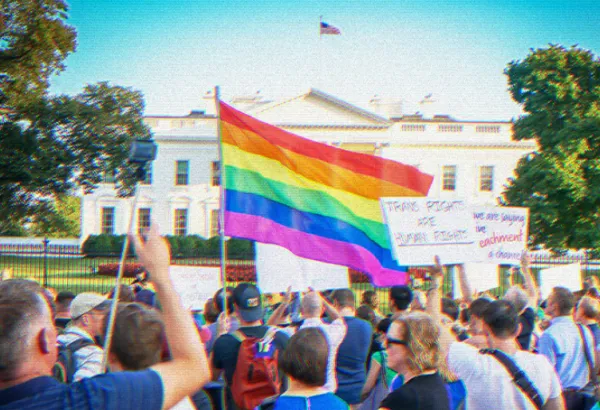
The Trump administration opened up a new front in its human trafficking crime spree — commonly referred to as “third-country deportations.” As Reuters exposed, they are sending gay, lesbian, and trans people to countries where their existence is not only illegal, but punishable by death. They had been granted protection from deportation by Immigration Judges, under U.S. law, but the government deported them anyway.