
Global
We are dismayed by the silence of so many churches. Here is an Open Letter
from Palestinian Christians to Western Church Leaders and Theologians
http://www.defenddemocracy.press/an-open-letter-from-palestinian-christians-to-western-church-leaders-and-theologians/
And my message for Christmas again (since then hundreds more were
murdered):
https://popular-resistance.blogspot.com/2023/12/christmas-greetings.html
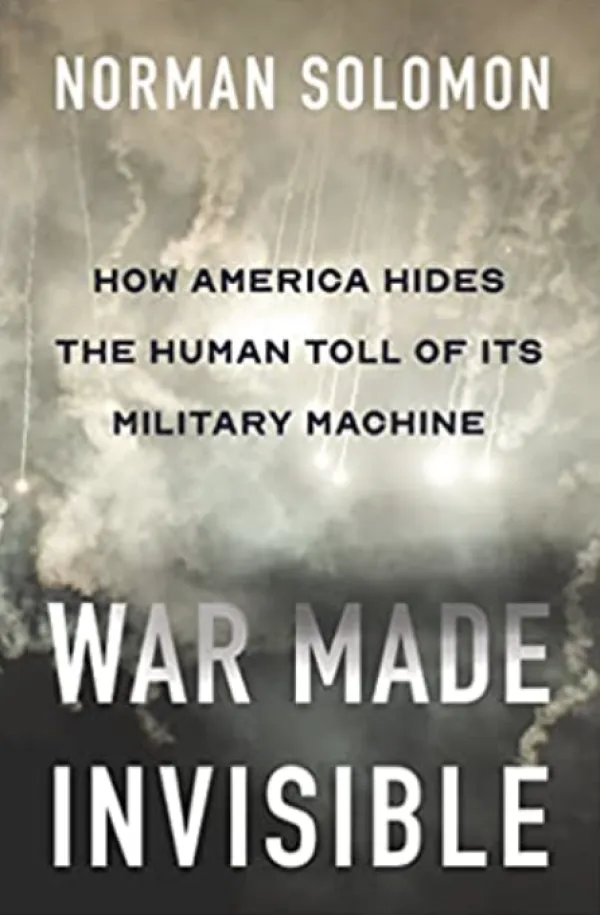
Top American officials in the “national security” establishment are notably good at smooth rhetoric and convenient silences. Their scant regard for truth or human life has changed remarkably little since 1971 when Daniel Ellsberg risked decades in prison to leak the Pentagon Papers to the world. During the years between then and his death six months ago, he was a tireless writer, speaker, and activist.
Most people remember him, of course, as the whistleblower who exposed voluminous official lies about the Vietnam War by providing 7,000 top-secret pages of classified documents to the New York Times and other newspapers. But throughout his adult life, he was transfixed above all by the imperative of preventing nuclear war.
One day in 1995, I called Dan and suggested he run for president. His reply was instant: “I’d rather be in prison.” He explained that, unlike typical candidates, he couldn’t stand to offer opinions on subjects he really knew little or nothing about.

Please keep writing, keep sharing, keep acting, keep staying human. There
is hope and signs are all around us that the dawn is coming after this
darkest period. We shall overcome.
Very important Statement and call for action from the Palestine Institute
for Biodiversity and Sustainability and the Palestine Museum of Natural
History (Bethlehem University) on the Israeli destruction of
Palestinian natural and cultural heritage: The Palestine Institute for
Biodiversity and Sustainability and the Palestine Museum of Natural History
(Bethlehem University) having good long-term working relations with our
cultural and natural heritage institutions and landmarks situated in the
Gaza strip watched with horror as these same intuitions were targeted by
the Israeli apartheid and occupation army. Here are just selected examples
of recent destruction of cultural and and natural heritage and suggested

We start GREEP ZOOM #160 with a discussion of Ohio’s newly legalized pot access, and the insane interventions against abortion in Texas and Ohio.
KARL GROSSMAN explains some of the horrors of the radioactive release at Fukushima, Japan, which has been followed by the predicable mass death of millions of sardines and mackerel in northern Japan.
Karl has reviewed RADIOACTIVE: THE WOMEN OF THREE MILE ISLAND by Heidi Hutner, featuring four stalwart women whose health and families have been decimated by radioactive fallout from the 1979 TMI disaster.
KAT KRAMER reminds us of her great work with Kat Kramer’s Films that Change the World which will feature the WOMEN OF THREE MILE ISLAND, perhaps in March.
Karl further describes the KOP28 which was captured by the Emirates’ oil industry and nuke power promoters who want 3X the reactors we have now.
TATANKA BRICCA then joins in with a description of California Governor Gavin Newsom’s sabotage of the phase-out of two decrepit reactors at Diablo Canyon.
WENDI LEDERMAN, STEVE KAISER and JUSTIN LEBLANC add to the dialog.
Reflections on Thailand: Detailed version, continued from original.
54 years ago, MLK Jr said “I knew that I could never again raise my voice against the violence of the oppressed in the ghettos without having first spoken clearly to the greatest purveyor of violence in the world today: my own government.”
Possibly you have justified America's proxy war in Ukraine, or the genocide rained down upon Palestinians with full cooperation of the American Empire. Perhaps you noticed that Biden sent a “defense” budget to Congress of 886 Billion dollars. Please be aware that the next countries to incur the wraith of the Empire are Iran and China. There will always be the next war until American citizens are united in attempting to stop the killing and madness.

We have been writing annual Christmas messages of peace, for human rights,
and relating sometimes what happened in the passing year for decades. Since
I returned to Bethlehem in 2008 these messages have been special. Since
founding the Palestine Institute for Biodiversity and Sustainability (PIBS)
in 2014, we also added greetings from PIBS. This year writing seems
tougher than ever considering the ongoing and unprecedented
genocide/holocaust occurring in Palestine. In the ten weeks before
Christmas, more than 20,000 civilians (>8000 of them children) were killed.
2.3 million people were denied food, water and medicines while all means of
life around them were systematically targeted. Palestinians (Muslims and
Christians) are literally starving to death and dying from lack of medical
care. 65% of Gaza residential buildings were destroyed or heavily damaged.
Israel also targeted schools, hospitals, clinics, churches, mosques,
bakeries, sewage and water facilities, electrical, communication and other
infrastructure.
We local Christians cannot “celebrate” or do decorations while injustice