
Global
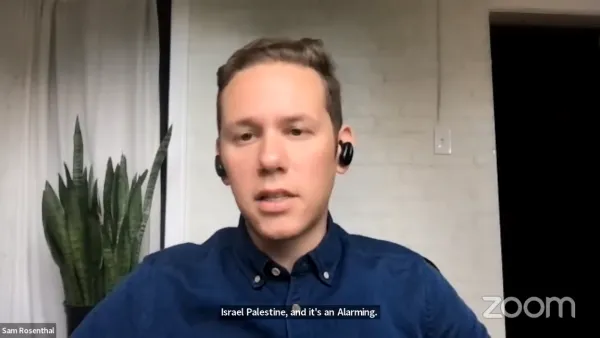
Green Grassroots Emergency Election Protection Zoom #104 opens with the legendary Bill Russell, the the Greatest of All Time professional athlete/civil rights activist in all sports based on having won 11 NBA championships in 13 years, including the last two as the first African-American coach of a major professional team. Russell did all this while serving as one of our most critically important pioneering activists of equal rights for all citizens.
He will be incredibly missed, as will NICHELLE NICHOLS, Star Trek's first African-American female, one of the great icons of our culture (&counter-culture).
RAY MCCLENDON clarifies the on-going very much alive & well prosecution of Donald Trump in Fulton County, Georgia. Ray further updates us on the escalating grassroots campaign in GA leading into the 2022 mid-terms.
JOEL SEGAL connects that GA campaign to his work in NC…and then explains in great detail the considerable impact of the new Biden-Manchin bill, not yet passed, on our national health care system.

BANGKOK, Thailand -- Vietnam arrested foreign ministry, tourism, air, medical, and manufacturing officials and expelled them from the ruling Communist Party, amid multi-million dollar corruption scandals which are testing Hanoi's reliability in the U.S. Indo-Pacific Economic Framework and Centers for Disease Control.
Corrupt officials allegedly pocketed $240 million by suckering frightened Vietnamese into paying inflated fees for government-arranged COVID-19 repatriation flights from abroad and cumbersome permits.
They also allegedly price-fixed emergency pandemic health care and equipment.
"The anti-corruption campaign is causing increasing uncertainty and anxiety among the [Vietnamese Communist Party] rank and file," the Australian Defense Force Academy's New South Wales University professor emeritus Carlyle Thayer said in an interview.
"Steering committees for each of Vietnam’s 68 administrative units are expected to be more proactive in rooting out economic corruption.
"This raises the possibility of factional in-fighting at the national and local level," said Australia-based Mr. Thayer who returned from Vietnam two weeks ago.
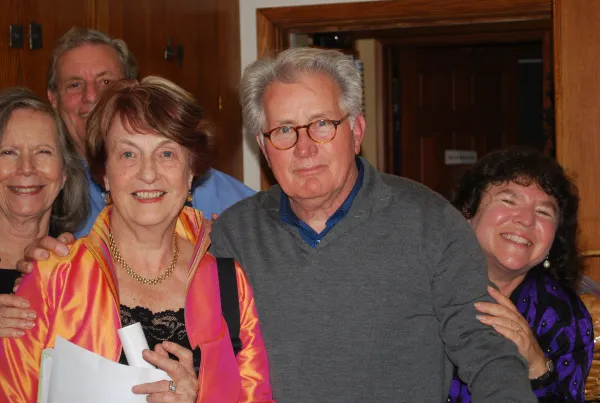
In The Tempest William Shakespeare mused “What’s past is prologue,” which is certainly true for Jan Goodman, whose radical roots set the stage for a lifetime of activism, making her an indispensable part of Los Angeles’ Left. Born 1949 into a progressive family and raised in Watts, her father, printer Eugene Goodman, was named after Eugene V. Debs. Monikered after her dad, Jan was therefore also named in honor of the 1920 Socialist Party candidate who ran for president from a prison cell.
As the Committee for the Protection of the Foreign Born’s bail fund holder, Eugene’s father, Morris, posted bail for left activist non-citizens imprisoned at Terminal Island. Morris, who also organized with the Insurance Agents Union, worked closely with Committee founder Rose Chernin; she was arrested during the McCarthy era and charged with conspiring to overthrow the government.
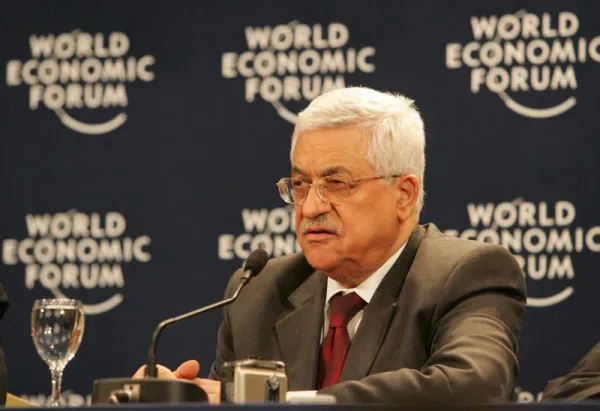
To describe US President Joe Biden's recent visit to Israel and Palestine as a "failure" in terms of activating the dormant "peace process" is to use a misnomer. For this statement to be accurate, Washington would have had to indicate that it had even a nominal desire to push for negotiations between the Israeli government and the Palestinian leadership.
Political and diplomatic platitudes aside, the current US administration has done the exact opposite, as indicated by Biden's words and actions. Alleging that the US commitment to a two-state solution "has not changed", Biden dismissed his administration's interest in trying to achieve such a goal by declaring that the "ground is not ripe" for negotiations.

If you depart from an "us vs. them" philosophy of life, your first confrontation is likely to be with the cynics.
Perhaps the most important thing I learned was how deeply and intensely people wanted to be listened to.
Last week, for instance, I wrote about the weekend I spent, a decade ago, getting handgun training from the NRA—and what I learned, which is that the things you need to fear are endless, and when one of them pops up in your life you'd better be prepared to kill it. One reader said he wondered "if Robert has ever truly felt as though his life or those he values were threatened" and quickly answered his own question: Of course not! And then he crooned, oh so tenderly: "Must be nice for Robert to live in such an insulated bubble."
Issue solved! Everyone needs a gun, except for the utterly naïve.
If I'd had a gun, I may have taken aim at this snarky fool, but eventually I started calming down and thinking about his words—this monkey wrench of cynicism, as I called it—with slightly more positive energy.
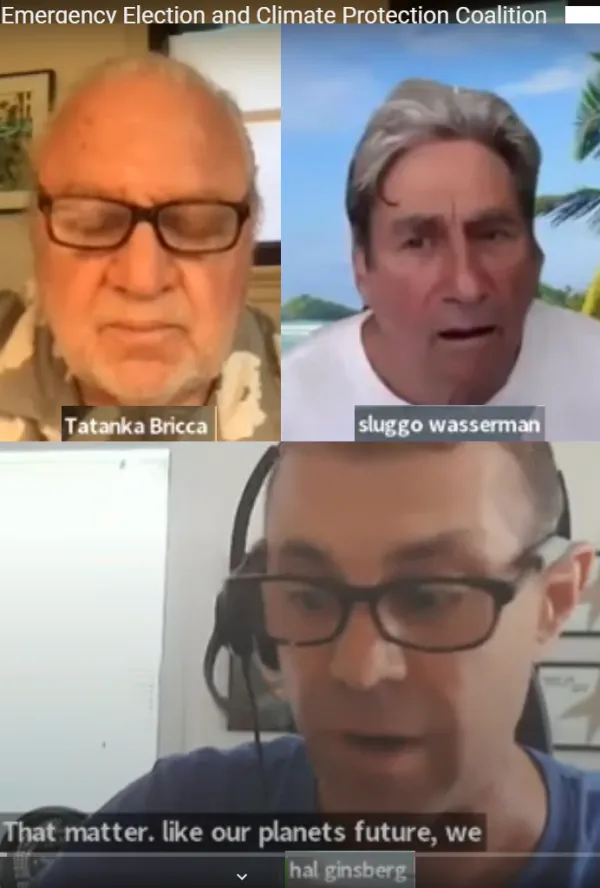
We open GREE-GREE #103 with TATANKA BRICCA and RON LEONARD updating us on the fossil/nuke industry's assault on rooftop solar, which is being defended by Florida’s right-wing Ron DeSantis but betrayed by California’s alleged progressive Gavin Newsom.
From Georgia the NAACP’s great RAY MCCLENDON updates us on the campaign to fund grassroots campaigning, which holds the fate of the Peach State and with it the nation. Ray also updates us on the Fulton County DA’s move to indict Trump. Ray is joined by Flashpoint’s DENNIS BERNSTEIN with key questions on the Donald’s traitorous travesties.
HOWIE HAWKINS of the Green Party updates upon the Democratic Party’s assault on the Green and other third parties, a never-ending attack on democracy.
JOEL SEGAL emphasizes the importance of the “Georgia Miracle” organizing paradigm.
LULU FRIESDAT, DR. RUTH STRAUSS, MYLA RESON, DANETT ABBOT, JUSTIN LEBLANC, HAL GINSBERG, SAM BELL, BRIAN STEINBERG and many more great activists chime in on January 6, Roe v. Wade and much much more.
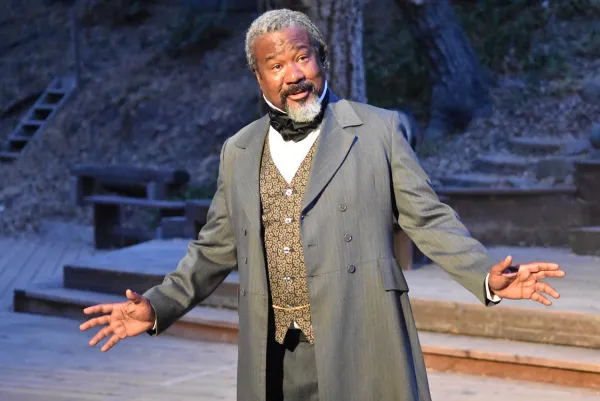
There are three great acts of naval rebellion in nautical history and the one that’s been the least celebrated in popular culture – until now – is (finally!) the subject of Trouble the Water. Ellen Geer’s stage adaptation of Rebecca Dwight Bruff’s 2019 novel of the same name dramatizes the remarkable real-life saga of Robert Smalls, who was born enslaved in 1839 and rose to become one of the Civil War’s great heroes and among America’s first Black Congressmen, initially elected during the Reconstruction Era.
Smalls’ stunning story is so phenomenal that it takes no less than two thespians to depict this Black Spartacus: A simmering Terrence Wayne, Jr. (whose credits include Will Geer’s Theatricum Botanicum’s production of Ibsen’s Enemy of the People) as the youthful slave-turned-revolutionary aptly nicknamed “Trouble,” and Gerald Rivers as the postwar Republican statesman who, having met Honest Abe during the Civil War, may have coined the phrase that refers to the GOP as “the party of Lincoln.” Rivers, a WGTB stalwart and, quite appropriately, a renowned Martin Luther King reenactor, also directs Trouble the Water.
The Shameful UN ‘List of Shame’: Equating between the Israeli Perpetrator and the Palestinian Victim
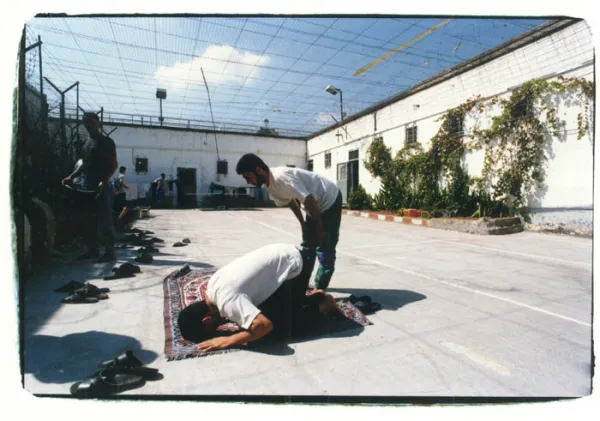
“We regret we failed to protect you.” This was part of a statement issued by United Nations human rights experts on July 14, urging the Israeli government to release Palestinian prisoner Ahmad Manasra. Only 14 years old at the time of his arrest and torture by Israeli forces, Manasra is now 20 years old.
Florida’s right-wing Governor Ron DeSantis has vetoed a bill designed to kill solar power in Florida.
But “progressive” Governor Gavin Newsom is standing by as pro-utility regulators embrace new taxes and metering restrictions set to devastate California’s solar industry.
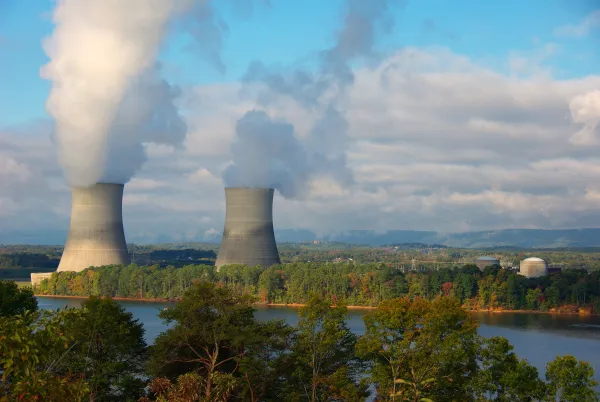
Newsom is also supporting prolonged operations at the high-cost Diablo Canyon nuclear plant, which is surrounded by active earthquake faults near San Luis Obispo.
DeSantis and Newsom could face off in the 2024 race for the White House.
DeSantis is an extreme pro-corporate social conservative known nationwide for his bigoted “Don’t Say Gay” pubic school mandate. He’s primarily identified by his MAGA-style attacks on human rights, voter access, democracy, abortion rights, social justice and more.
In most mainstream polls, DeSantis now runs a strong second to Donald Trump for the Republican 2024 presidential nomination. He’s already raised tens of millions of dollars and built a high national media profile.
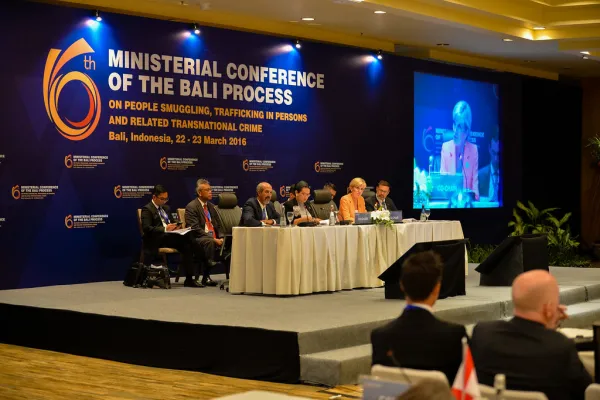
In a blog entry, reflecting on the G20 Foreign Ministers’ meeting in Bali, Indonesia on July 7-8, the High Representative of the European Union, Josep Borrell, seems to have accepted the painful truth that the West is losing what he termed “the global battle of narratives”.
“The global battle of narratives is in full swing and, for now, we are not winning,” Borrell admitted. The solution: “As the EU, we have to engage further to refute Russian lies and war propaganda,” the EU’s top diplomat added.