
Global
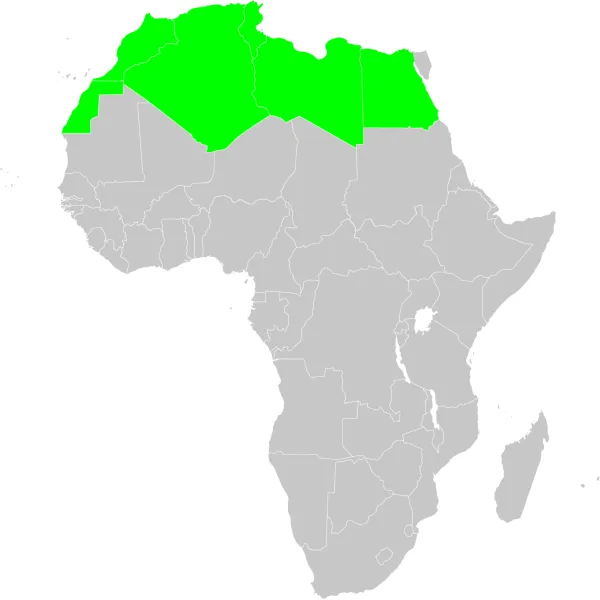
When the news circulated that Morocco's leading political group, the Development and Justice Party (PJD), has been trounced in the latest elections, held in September, official media mouthpieces in Egypt celebrated the news as if the PJD's defeat was, in itself, a blow to the Egyptian Muslim Brotherhood movement. Regionally, political commentators who dedicated much of their time to discredit various Islamic political parties - often on behalf of one Arab government or another - found in the news another supposed proof that political Islam is a failure in both theory and practice.
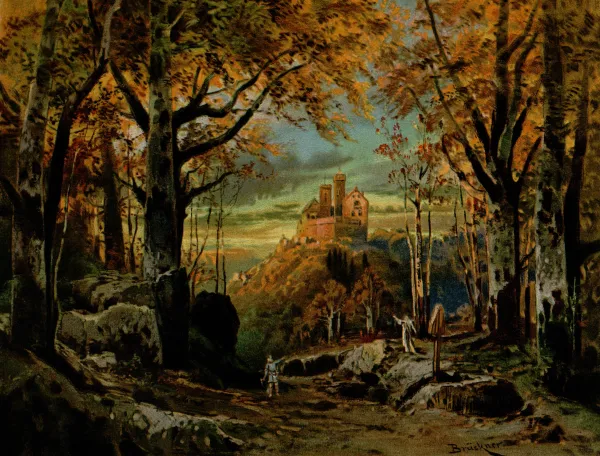
As Tannhäuser’s lovely, rolling overture is unveiled, the stage of the Dorothy Chandler Pavilion becomes visible, as if being revealed in a cinematic fade in. The set is bathed in ethereal scarlet and blue lights designed by Connecticut’s Marcus Doshi, as about six dancers cavort onstage in what composer and librettist Richard Wagner described as “the whirlings of a fearsomely voluptuous dance.” A bacchanalian orgy is taking place, with nymphs performing Kama Sutra-like positions and moves choreographed by Canadian Aszure Barton. In Opera 101 author Fred Plotkin notes “some modern productions have included nude dancers” in Tannhäuser’s stunning curtain lifter, but although nudity has appeared in other LA Opera offerings, alas, this less adventurous show’s sexy sprites are appareled in flimsy androgynous outfits.
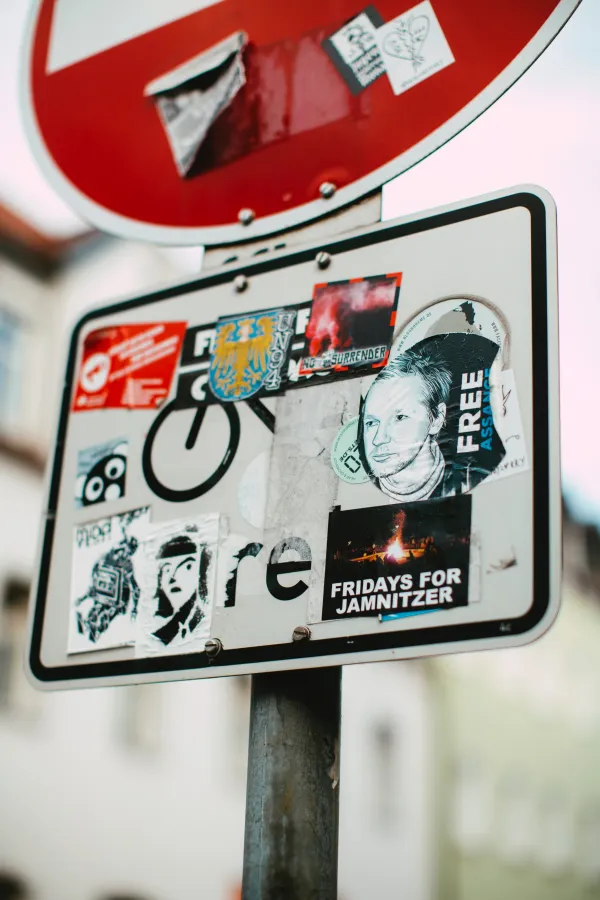
The Pentagon’s offer of “condolence money” to the relatives of the ten people (seven of them children) who were killed in the final U.S. drone strike in Afghanistan — originally declared righteous and necessary — bears a troubling connection to the government’s ongoing efforts to get its hands on WikiLeaks founder Julian Assange and punish him for exposing the inconvenient truth of war.
You know, the “classified” stuff — like Apache helicopter crewmen laughing after they killed a bunch of men on a street in Baghdad in 2007 (“Oh yeah, look at those dead bastards”) and then smirked some more after killing the ones who started picking up the bodies, in the process also injuring several children who were in the van they just blasted. This is not stuff the American public needs to know about!
Expectedly, the accusations centered on the standard smearing used by Israel and its supporters against anyone who dares criticize Israel and exhibits solidarity with the oppressed Palestinian people.
Rooney’s laudable action was not in the least ‘racist’ or ‘antisemitic’. On the contrary, it was taken as a show of support for the Palestine Boycott Divestment and Sanctions Movement (BDS), whose advocacy is situated within anti-colonial and anti-racist political discourses.
Rooney, herself, has made it clear that her decision not to publish with Modan Publishing House, which works closely with the Israeli government, is motivated by ethical values.
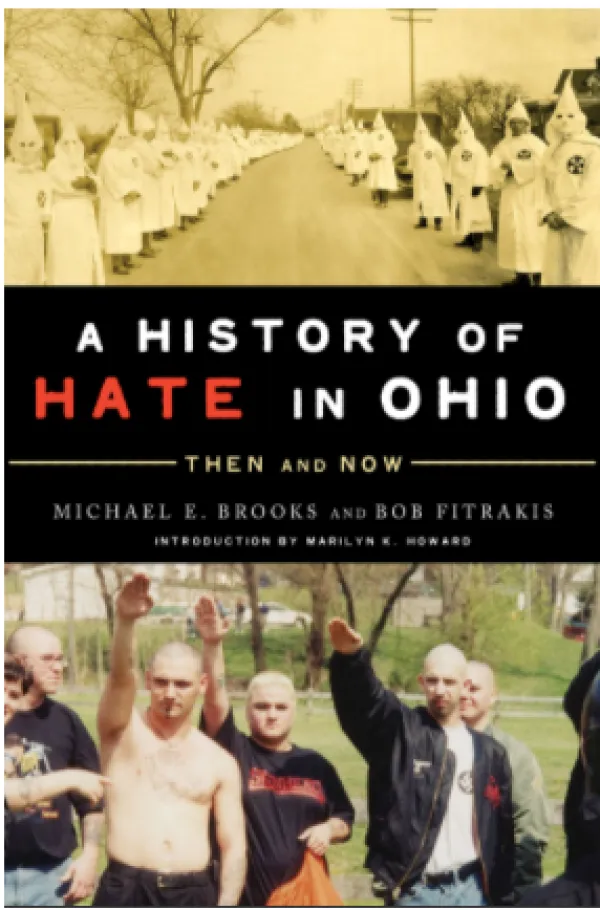
Sept. 7, 2021 Interview with Dr. Fitrakis from The Pink Pill, Joan Jones and Marilyn Howard
Audio MP3: https://fitrakis.org/wp-content/uploads/2021/09/PinkPill090721HistoryofHate.mp3
https://ohiostatepress.org/books/titles/9780814258002.html
30% off and free shipping with “HISTORY” upper case promo code
“In this extensively researched and meticulously documented book, Brooks and Fitrakis effectively trace the origins of racism and nativism that have punctuated Ohio’s history, including the ‘everyday white supremacy’ that is present to this day.” —Barry Balleck, author of Allegiance to Liberty: The Changing Face of Patriots, Militias, and Political Violence in America
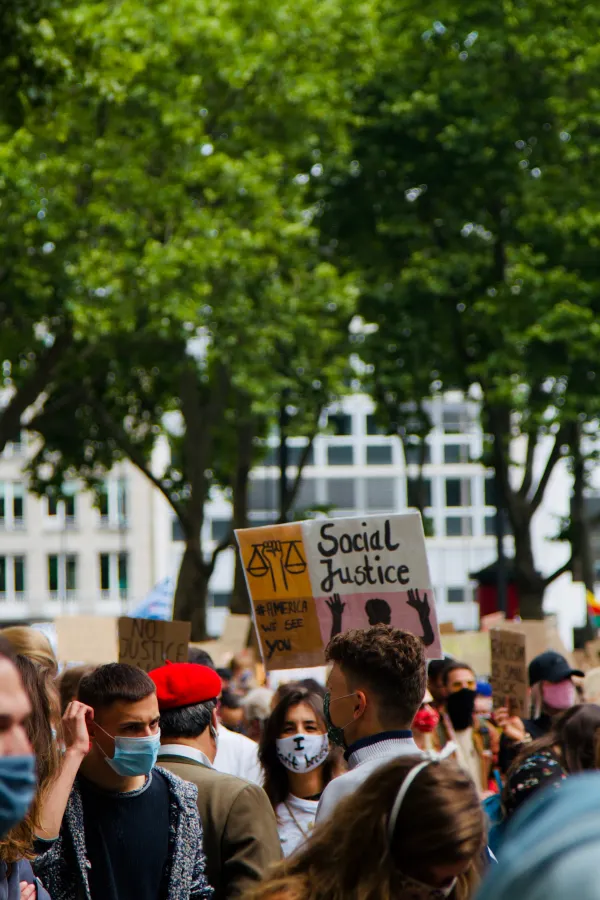
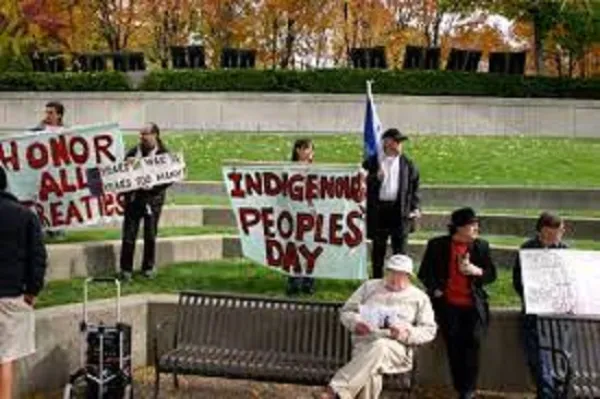
It’s too easy, right? Too simple — shoving Christopher Columbus off the historical honor roll, pulling down his statues, yanking his “day” away from him and renaming it in honor of the people he murdered, kidnapped, turned into property?
Or is Indigenous Peoples Day seen by the world as simply a starting point, a launching of the transpatriarchal change in collective humanity we so desperately need but do not understand? I certainly put myself in that category: clueless. I both oppose and participate in environmental devastation, consuming my share of fossil fuels, plastic, etc., etc., even as I join those demanding change and pushing back against political-corporate interests. Yeah, Indigenous Peoples Day, that should do it . . . even as the Amazon burns, the tar-sands oil flows, militarism rules and moneyed interests continue getting what they want.
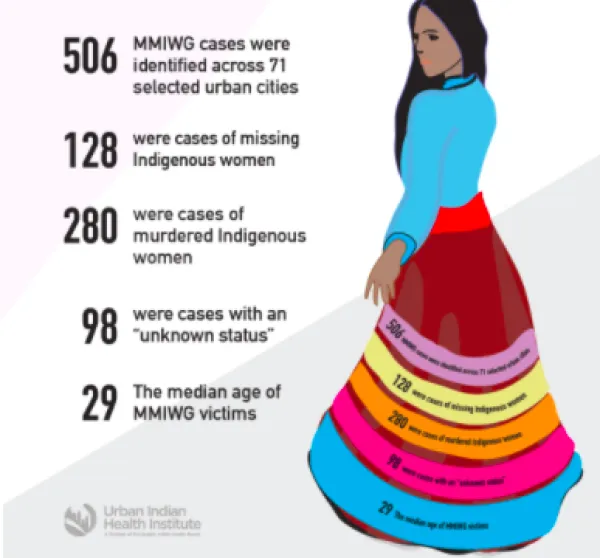
Over the last decade, 710 Indigenous people have been reported missing, with 466 of those reports coming from Wyoming, the same state in which Gabby Petito went missing.
Media coverage is essential for investigating a missing person because the public can help, and it is often used as a tool for recovering victims. But there is often a hierarchy of victims that get that attention. Those who are female, young or White receive the most help in being found, while Black, Indigenous or Latinx missing people often do not receive the same attention.
Criminologists have created two theories regarding media coverage for missing people. The rarity theory suggests that victims who are seen as ideal –– females, children, and the elderly, unusual stories, or stories that involve more than one victim are considered “newsworthy.” The devaluation theory proposes portrayals of victims of crime as White in the media feed into predicting perceptions of the fear of victimization for White people.
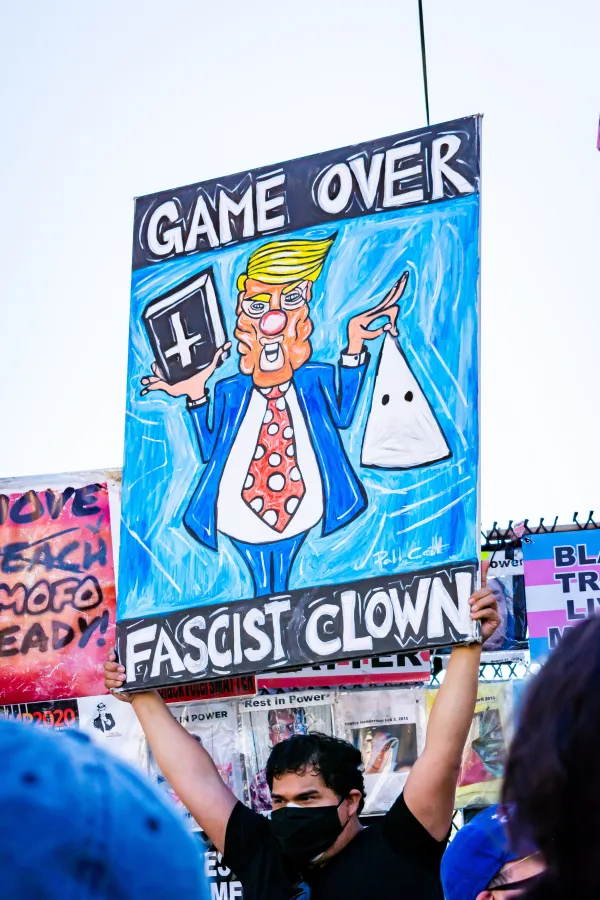
America’s long-term fascist coup may have begun on November 22, 1963 with the murder of John Kennedy.
But George W. Bush’s “Brooks Brothers Mob” took it to another level exactly 37 years later.
And the MAGA Monster’s attack on January 6, 2021, is far from over.
Like the 1865 murder of Abraham Lincoln, the elimination of JFK moved America toward the fascist totalitarianism we face today.
Debate still rages over who actually killed President Kennedy…and whether he would have pulled us out of Vietnam. But there’s no doubt that murder—combined with those of Medgar Evers, Malcolm X, Martin Luther King and Robert Kennedy—-tore devastating holes in the fiber of American democracy. The movements for racial equality, social justice and an end to empire have yet to fully recover from those fascist hits.
On the 37th anniversary of the Kennedy assassination, an outright fascist coup followed in lock step. With the 2000 Florida vote count in deep dispute, a violent “Brooks Brothers Mob” physically terrorized Miami-area poll workers recounting the ballots in the very tight race between Vice President Al Gore and Texas Governor George W. Bush.
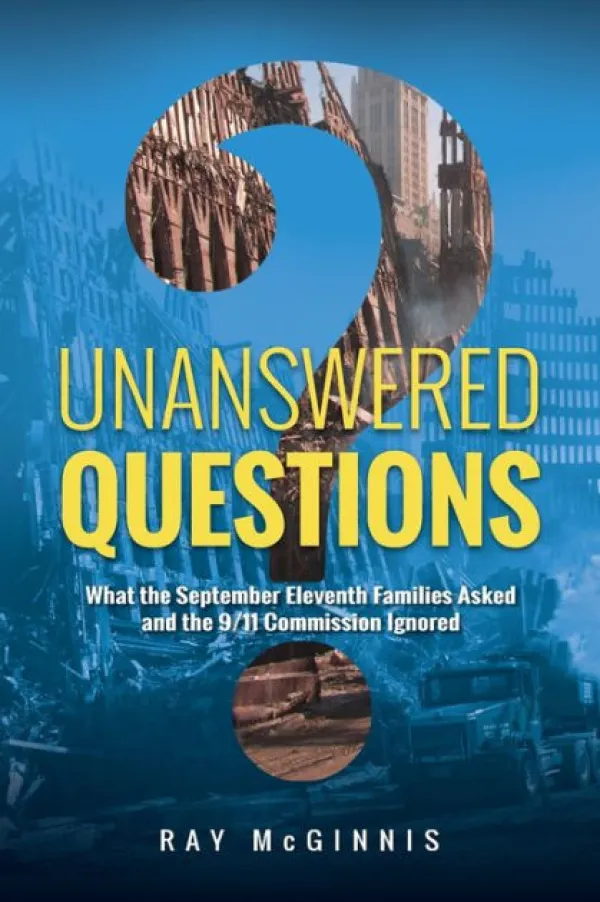
“Unanswered Questions” looks at the events of 9/11 from the perspective of 9/11 families. The author follows the journey of the well known “Jersey Girls” as well as many groups or organizations that grew out of the frustration experienced by the families. Although I began to doubt the official story of 9/11 early on, I had not heard of the Family Steering Committee, Families of September 11, 9/11 Families for a Secure America, 9/11 Families to Bankrupt terrorism, Coalition of 9/11 families, Fix the Fund, Give Your Voice, LMDC Families Advisory Council, Skyscraper Safety Campaign, Tuesdays Children and several more. Intertwined with the experiences of the families is mention of the loved ones lost. Where were they on that morning, how did they die that morning? What was the final communication with family?
According to author Ray McGinnis, only 11% of the questions posted to the 9/11 commission were answered. Entire chapters are devoted to questions posed but not answered of NORAD, the FBI, Mayor Giuliani, President Bush, Vice President Cheney, the Port Authority, Donald Rumsfeld, as well as the FAA, CIA, Security and Exchange Commission.