Global

The North Coast awaits $4 billion and thousands of jobs with a repeal of the infamous set-back clause.
We must do it!
ZOOM 7-8pm Wednesday, August 5.
Ohio’s biggest-ever bribery case is rocking America’s reactor industry ... and the fall election.
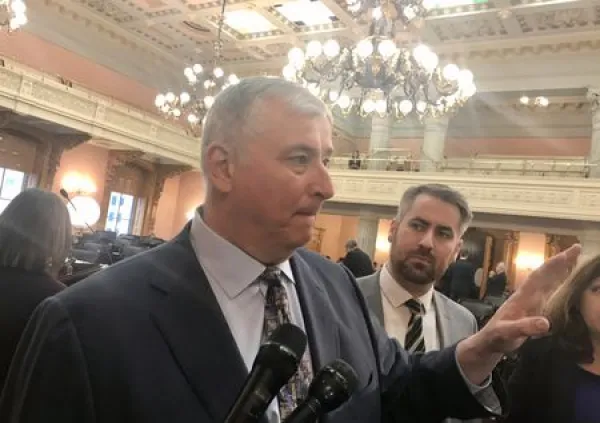
Full details of the shocking arrest of Ohio’s powerful Speaker of the House are still unfolding.
But on Monday, the FBI charged Larry Householder and four associates with taking $60 million (that’s NOT a typo) in bribes from “Company A,” suspected to be the Akron-based nuke utility FirstEnergy. The company has not been formally named as the source of the bribe, but FE’s stock has since plummetted.
Householder is suspected of buying votes for the widely hated $1.5 billion bailout of two decrepit nuke reactors on Lake Erie. Donald Trump lobbied at least five legislators to support the cash giveaway. Ohio’s moderate Republican governor, Mike DeWine, has asked Householder to resign.
Without the bailout, Perry and Davis-Besse would already be dead in the rising tsunami of US reactor shutdowns.
The handout also supported two ancient coal burners (one in Indiana), and ten small solar plants. It killed a big, highly successful state-wide efficiency program and crippled further Ohio development of wind and solar.

When corporations in capitalism-run-amok societies like the United States are run primarily for excess profits and achieving ever-increasing shareholder value, ethical considerations and the spiritual and environmental costs to society are routinely disregarded. In such societies, it is considered normal for corporations of all sorts to regard profits, especially short-term profits, as the main criterion for decision-making - and NOT the well-being of the people or the environment.

This isn’t free unsolicited advice on your new name, because (1) you’ve pretended to ask everyone for input, and (2) if you name your team the Washington Warriors next year, as I’m guessing you would have done by now if not for some legal dispute, I’ll be happy to sell you the URL washingtonwarriorssuck.com for a donation of .00001% of the U.S. military budget to the people of Yemen.
So, here’s my non-free and fully solicited advice: don’t be a moral imbecile. Name your team for something positive. Don’t name it something else cruel and offensive just because nobody’s objected yet.
Do you remember when they had to rename the Washington Bullets, not because they cared that bullets were being used to murder people all over the world, but because the city of Washington, D.C., had become famous for its high level of shootings?

So far, MSNBC’s “new” program presented by Joy Reid is arguably to the public discourse what the 1950’s The Donna Reed Show was to housewifery: nice, middle of the road, safe, conventional television. Of course, one was a TV sitcom and the other is a news-oriented program, but the main difference between the two eponymous performers is in form, not content. While Reed was lily white, Reid is Black, and as such at this time of urban uprisings she is intended to bestow street cred and legitimacy on her network.
Here’s a quietly unsettling moment from the current cries for change churning across the nation:
A teenage girl is at a grocery store in the small town of Marion, Virginia. Her brother, Travon Brown, age 17, had recently become both beloved and hated — the center of controversy — in the town, because he had organized a protest against racism in the wake of the police killing of George Floyd in Minneapolis. This was one of thousands of such protests across the country, but the majority-white town was nonetheless riled up over this affront, according to the Washington Post, which took a long, deep look at events there.
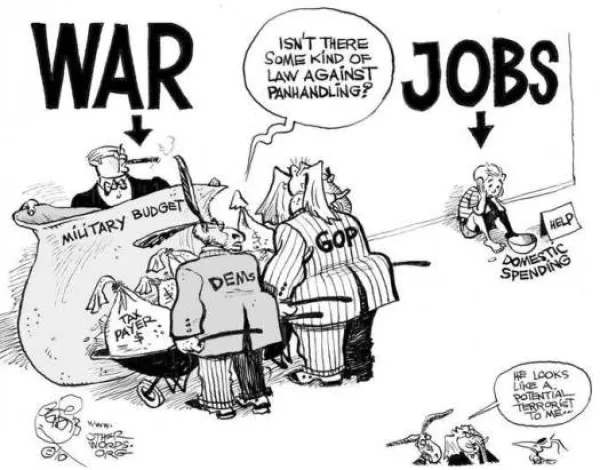
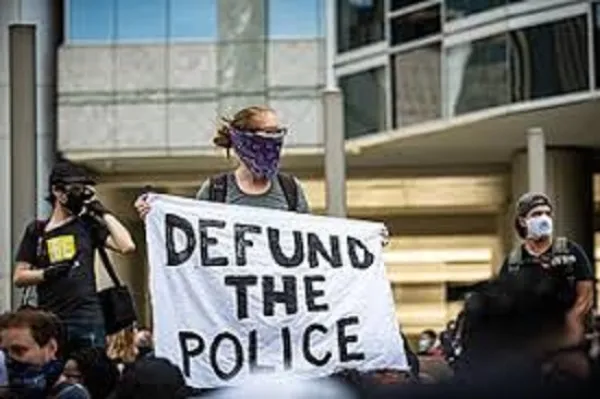
The American police state is currently making its boldest test run to date in Portland, Oregon, escalating violence and lawlessness against the peaceful population of an American city. The people of Portland have responded with increased resistance, but support from officials elected to defend the Constitution is scarce and weak.
Oregon’s two senators, Ron Wyden and Jeff Merkley, are both Democrats with reputations for being on the better side of important issues. But until July 20, their best response to federal secret police operating without restraint in Portland had been to wring their hands and call for a federal investigation of the uninvited federal forces that have ratcheted up street violence and terrorized the city.