
Global
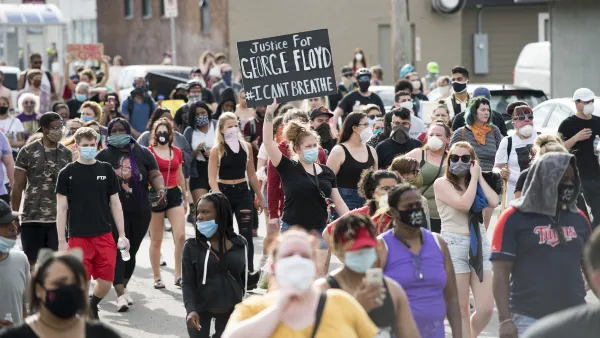
Already we’ve seen, as a result of people taking to the streets in the United States:

BANGKOK, Thailand -- Southeast Asia is resisting the harsh U.S.-China
blame game over COVID-19, preferring to maintain financial links with
both, but Beijing appears to enjoy a better image among the region's
hearts and minds.
"Southeast Asian countries are standing on the sidelines of the
Washington-Beijing COVID-19 quarrel, not taking sides with one or the
other," Paul Chambers, an international affairs lecturer at Naresuan
University in northern Thailand, said in an interview.
"Given that China is the region's leading trading partner and provider
of new foreign investment, and China came out of the coronavirus
pandemic earlier than the U.S., Beijing has an edge over the
Washington right now.
"The continuing COVID-19 problems in the U.S. shows Southeast Asians
that the U.S. political system is not a good model for dealing with
the virus," Mr. Chambers said.
Southeast Asian countries often try to balance relations with the U.S.
and China to avoid endangering extensively interconnected business,
military and other links.
Now that Trump is sending actual troops into our streets, the shape of his planned coup d’état is becoming ever clearer.
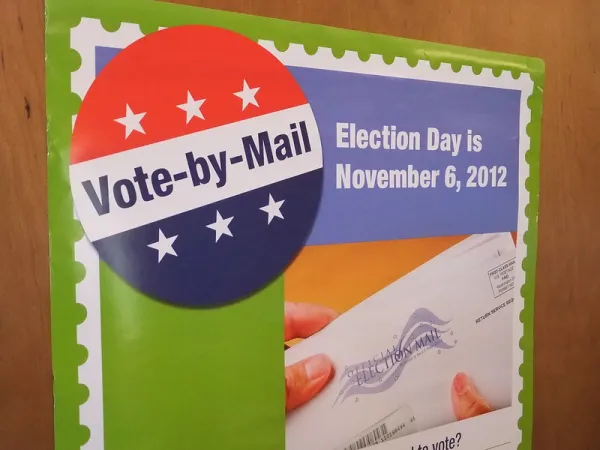
A critical piece will be an outright armed assault on the polling places during this fall’s election.
Trump’s GOP has already raised $20 million for anti-democracy lawsuits. While claiming the fall election will be “rigged,” Trump’s minions say they’ll raise a 50,000-strong vigilante army to terrorize “suspicious” (i.e., young, non-white, non-millionaire) voters at the polls.
Here’s the premise:
On November 3, thousands of KKK/Gestapo-style “Trump volunteers” will swarm over the usual long lines in critical swing state/minority-heavy precincts. We’ve seen their neo-Nazi ilk in Charlottesville, among the Proud Boys, etc.
Many will be armed and dressed in military garb. Lacking legal credentials, but likely at gunpoint, they’ll demand ID and other “proof” of voter qualifications.
Their purpose will be to drive away potential anti-Trump voters and turn the election into chaos.
Here’s what should happen now, judging by what I see on social and other media.
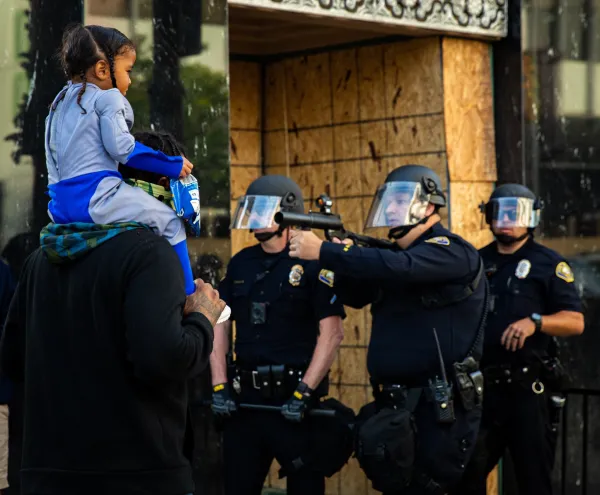
The U.S. Military and the National Guard and other war-making outfits should clear out of the streets of the United States, get on some airplanes, and head off to properly murder lots of men, women, and children very far away. It’s simply inappropriate to kill people in this enlightened land where we’ve figured out that lives all matter.
War making should not be based on lies about protesters being violent or black people being savages or Trump needing his religion fix. Wars should be based, as established by long tradition, on lies about foreign governments and terrorists and fossil fuels and babies in incubators and WMDs and phantom missiles and chemical attacks and impending massacres.
There is apparently no limit to what the United States and Israel can get away with without any consequences. The United States has been waging devastating economic warfare against Iran and Venezuela while also blaming China for a global health crisis that it is unwilling to help address due to its withdrawal from the World Health Organization. Israel meanwhile is planning on illegally annexing significant parts of the Palestinian West Bank in July, with a green light from the Trump Administration, and no one in Europe or elsewhere is even interested in initiating serious sanctions that might lead to the postponing of that decision. Israeli Prime Minister Benjamin Netanyahu has even stated flatly that the remaining Palestinians who would be annexed will not become Israeli citizens – they will instead be “subjects” of the Jewish state with no guaranteed rights or privileges.
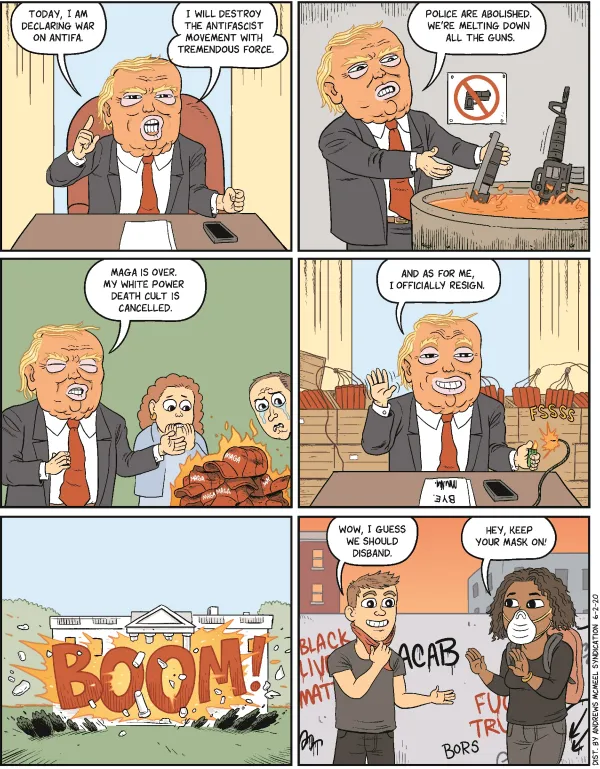
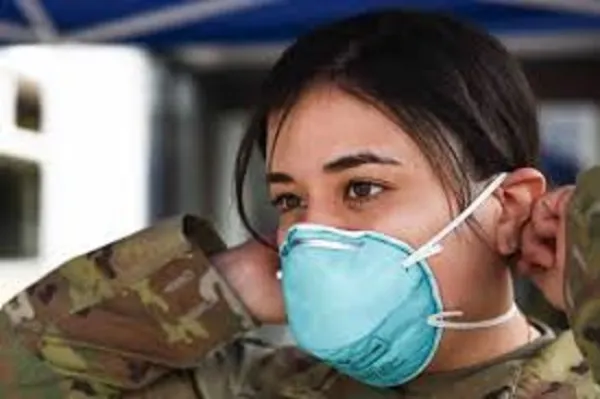
The nationwide outpouring of protests during the last 10 days has provided a historic moral response to the murder of George Floyd. In one city after another, people braved tear gas, pepper spray, clubs and other weaponry -- as well as mass arrests -- to nonviolently challenge racist police violence. Those same people were also risking infection with the coronavirus.
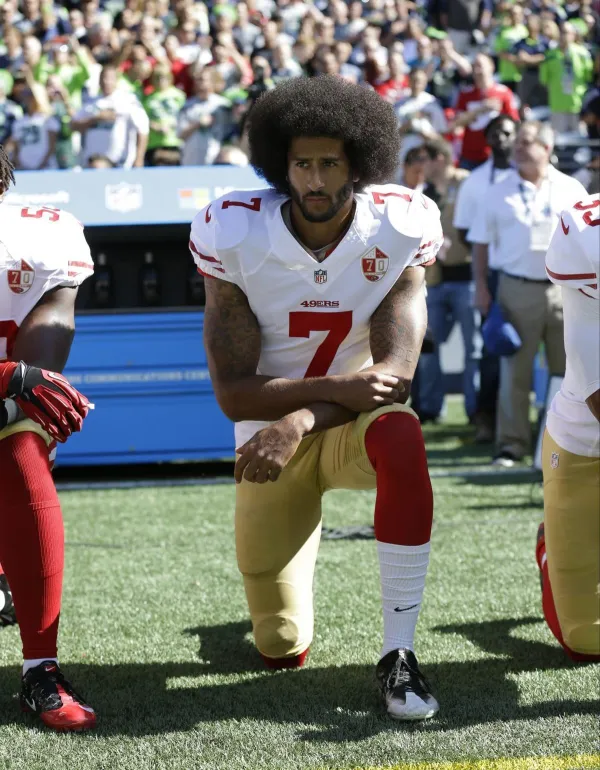
Is George Floyd today’s Emmett Till?
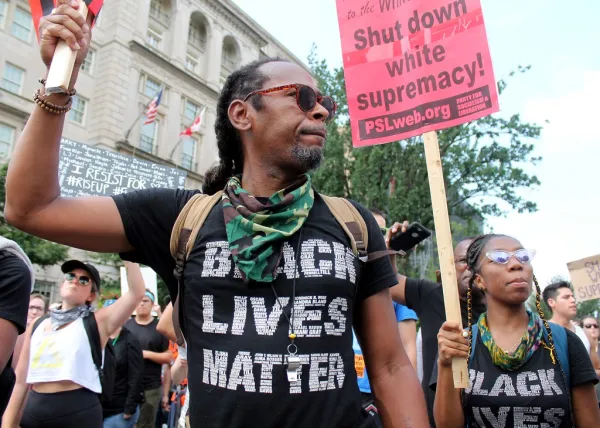
Is the nation moving beyond, oh God, its third manifestation of “legal” racism? The first manifestation was, of course, slavery, which was eliminated via the Civil War. The second manifestation was the Jim Crow/KKK era, with its lynchings, black vote suppression, unending segregation and unquestioned white supremacy; the civil rights movement undid at least the legal aspect of this horror, but hardly the racism itself. The third phase, which started percolating in the ’70s and came to a full boil in the ’80s and ’90s, began with expanding the prison-industrial complex, militarizing the police and, of course, engaging in endless wars abroad. This, along with quasi-legal vote suppression, kept American racism institutionally intact and — son of a gun! — turned out to be enormously profitable. And people of color continued to suffer.
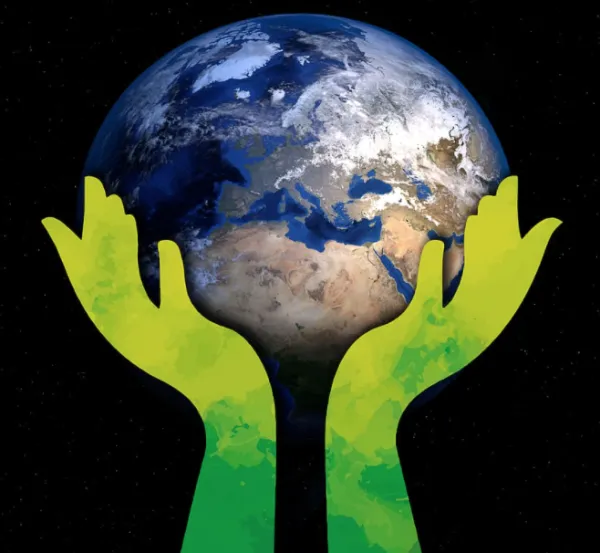
I would like to announce the publication of a book which presents evidence supporting the thesis that elimination of excessive economic inequality makes societies happier and better. The book may be freely downloaded and circulated from the following link:
http://eacpe.org/app/wp-content/uploads/2020/05/Benefits-of-Equality-by-John-Scales-Avery.pdf
Ideals of the Enlightenment
The Age of Reason, or the Enlightenment was an intellectual and philosophical movement that dominated the world of ideas during the 17th to 19th centuries. Sir Isaac Newton's rational explanations for cosmic phenomena demonstrated that reason is better than superstition. Diderot's Encyclopedia and the writings of Voltaire and Rousseau paved the way for the end of Feudalism, the end of the theory of the Divine Right of Kings, and the liberation of serfs and slaves throughout the world.