
Global
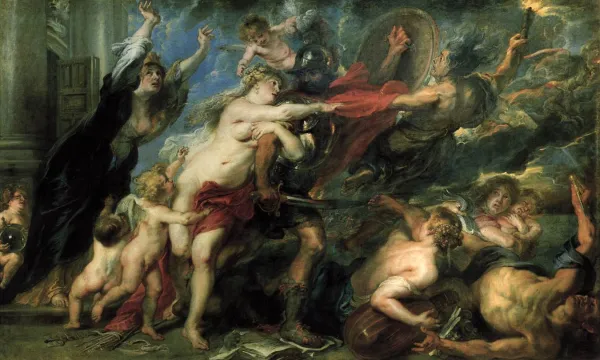
Dan Kovalik’s new book, No More War: How the West Violates International Law by Using “Humanitarian” Intervention to Advance Economic and Strategic Interests — which I am adding to my list of books you should read on why war should be abolished (see below) — makes a powerful case that humanitarian war no more exists than philanthropic child abuse or benevolent torture. I’m not sure the actual motivations of wars are limited to economic and strategic interests — which seems to forget the insane, power-mad, and sadistic motivations — but I am sure that no humanitarian war has ever benefitted humanity.
Kovalik’s book does not take the approach so widely recommended of watering down the truth so that the reader is only gently nudged in the right direction from where he or she is starting. There’s no getting 90% reassuringly wrong in order to make the 10% palatable here. This is a book for either people who have some general notion of what war is or people who aren’t traumatized by jumping into an unfamiliar perspective and thinking about it.
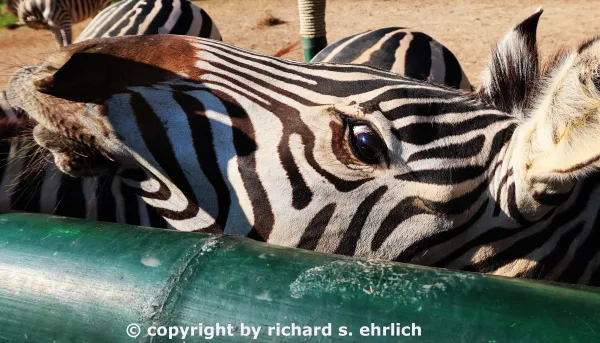
BANGKOK, Thailand -- An uncontrolled virus killed at least 543 horses
and many are being buried in mass graves, amid suspicion that imported
zebras brought the disease which is ravaging Thailand's international
multi-million-dollar racing and horse show industry.
The U.S. Department of Agriculture's Animals and Plant Health
Inspection Service declared on March 30 a 60-day quarantine on all
horses imported from Thailand to stop the insect-borne African Horse
Sickness (AHS) virus spreading to America.
The only quarantine facility in the U.S. for horses suspected of
carrying AHS is located at the New York Animal Import Center, in Rock
Tavern, New York. The U.S. also prohibited imports of horse semen and
embryos from Thailand.
The World Organization for Animal Health, based in Paris, cancelled
Thailand's status as an "AHS-Free Country" on March 27 after the first
42 horses died.
The outbreak, which does not make humans ill, began on February 24 and
rapidly spread among horse breeding, riding, training, and rental
businesses in two central provinces.

Vote by Mail will decide the 2020 election. Trump and 50,000 of his armed backers will try to say otherwise.
But VBM could turn us forever from hackable touch screens to paper ballots. To make that happen, election protection activists must overcome Vote by Mail’s many vulnerabilities to make mail-in paper ballots an instrument of real democracy.
The odds are long, but the chances are real.
To follow an ongoing compendium of stories on this election as they unfold, go to the Election Protection portal at the Free Press website. You can also join our national COVID-19 Emergency Zoom call on election protection this Tuesday 5:00-6:30 p.m. Eastern Time (2:00-3:30 Pacific Time) by writing to me for the link.
In the Big Picture, Trump loudly hates VBM. But his followers LOVE it in states they control.


We are being utterly transformed. And the world is being utterly transformed around us.
Ostensibly, this is to tackle a simple virus. In reality, it is to achieve an elite design at staggering cost to humanity and to life generally.
If you have not been carefully following what is taking place, let me highlight some recent developments and what we can do about them.
On 26 March 2020, the World Intellectual Property Organisation (WIPO) granted Microsoft a world patent. Titled ‘1. WO2020060606 – Cryptocurrency System Using Body Activity Data’, this patent gives Microsoft (that is, Bill Gates) extraordinary power over our lives.
As Professor Vandana Shiva evocatively explains in her latest article, ‘My Earth Journey in defence of Biodiversity, Life and Freedom over 5 decades’, this development is ‘robbing us of our deep humanity’:
The patent is dramatically changing the meaning of being human.
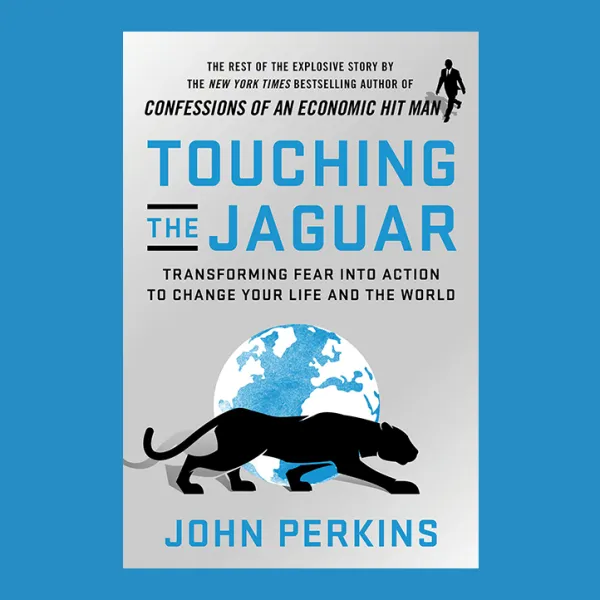
John Perkins, author of Confessions of an Economic Hit Man and this TED Talk, has a new book called Touching the Jaguar. You can pre-order it here and get an online workshop and other bonus materials that I haven’t seen but recommend purely on the basis of having read the book. Perkins also is doing an online workshop in July that you can sign up for here. An interview he’s given about his new book is here. And I’ll soon be interviewing him on Talk Nation Radio.
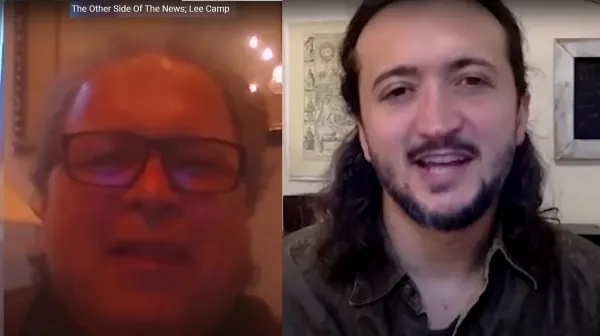
Dr. Bob invites author and political comedian Lee Camp. The host and head writer of Redacted Tonight talks Coronavirus, the coming elections, Jeffrey Epstien and the plight of indigenous people.
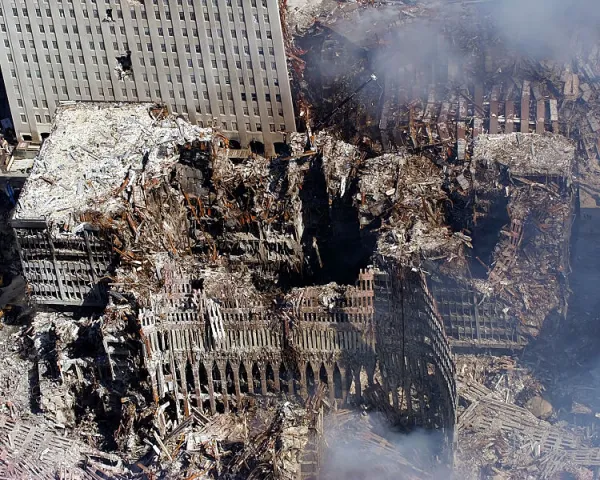
Many media commentators have mentioned that the COVID-19 crisis of 2020 is similar to other national crises that have led the United States into war.
Three other examples include 1] Germany’s sinking of the Lusitania on 5/7/15 (that led to the entry of the US into WWI), 2] the Japanese attack on Pearl Harbor on 12/7/41 (that led to the US entry into WWII) and the self-inflicted, controlled demolitions of the three World Trade Center buildings on 9/11/01 (that led to the G. W. Bush/Dick Cheney administration’s push to invade the Middle East in what many call Operation Iraqi Liberation (“OIL”).
For me, the most pertinent similarity between these events can be stated in the simple truism mentioned in the title above: “The first Casualty of War is Truth.”
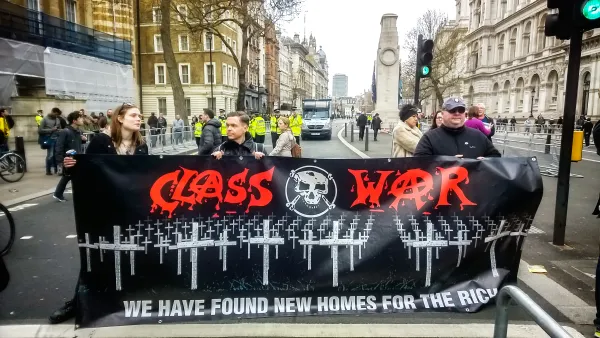
Journalists aren’t supposed to “bury the lead.” But when death is the topic and corporate power is the culprit, the connection routinely goes unmentioned.
Class war -- waged methodically from the top down -- is so constant and pervasive that it might seem unremarkable. The 24/7 siege to make large companies more profitable and the wealthy more wealthy is going on all around us. In the process, it normalizes avoidable death as a cost of doing business.
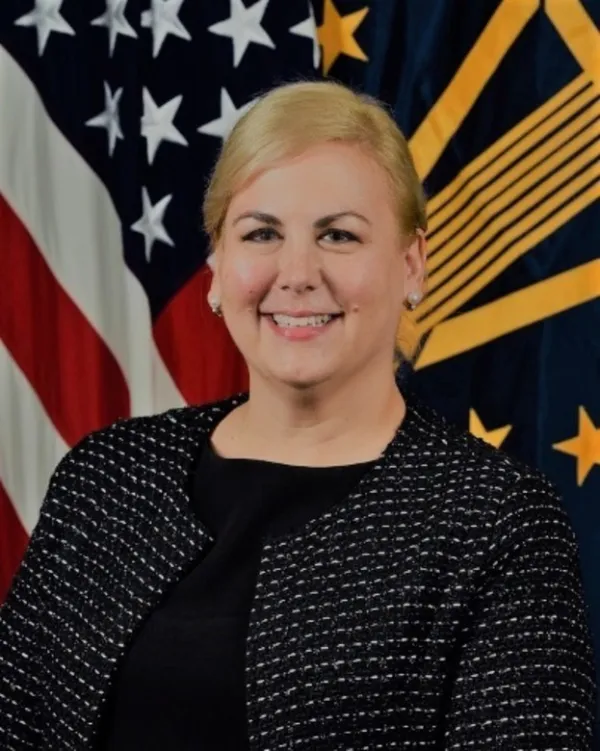
The Global War on Terror or GWOT was declared in the wake of 9/11 by President George W. Bush. It basically committed the United States to work to eliminate all “terrorist” groups worldwide, whether or not the countries being targeted agreed that they were beset by terrorists and whether or not they welcomed U.S. “help.” The GWOT was promoted with brain-dead expressions like “there’s a new sheriff in town” which, after the destruction of large parts of the Middle East and Central Asia, later morphed into the matrix of the God-awful belief that something called “American Exceptionalism” existed.