Global
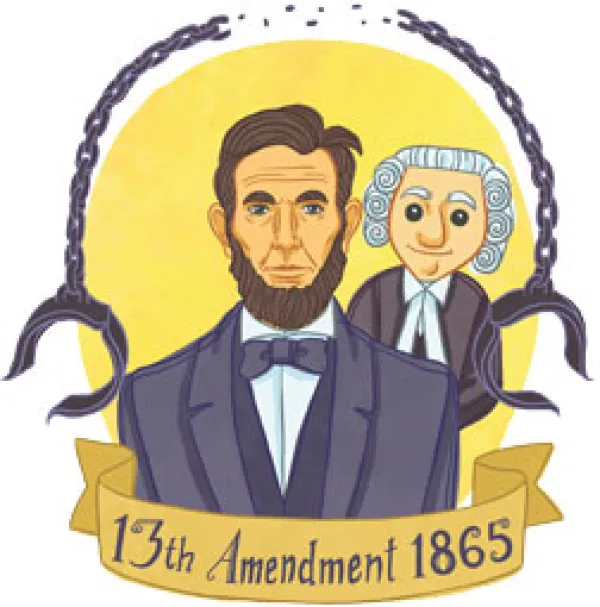
One hundred forty-five years ago on Jan. 1, Abraham Lincoln issued the Emancipation Proclamation, helping to transform this country from a union of states into a nation, from a country stained by slavery into one moving at great cost closer to “liberty and justice for all.”
On Jan. 1, 1863, in the midst of the Civil War, Abraham Lincoln, the Republican president, issued the proclamation on his own authority as commander-in-chief “in time of actual armed rebellion” against the United States. The emancipation was grounded on his wartime powers, as a “fit and necessary war measure for suppressing said rebellion.”
The emancipation did not end slavery in the United States. It applied only to the states still in rebellion, exempting the slave owning border states such as Maryland, Missouri and Kentucky that still had slaves. Lincoln was desperate to keep the border states from joining the South. Some abolitionists ridiculed him for this. “Where he has no power, Mr. Lincoln will set the negroes free, where he retains power we will consider them as slaves,” declared the London Times.
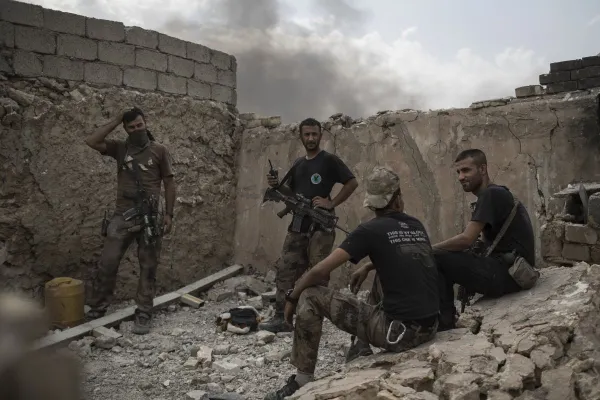
Who defeated the Islamic State In Syria?
Before answering that question. What is the ISIS? Can the public overcome its chronic amnesia and think back to the sudden appearance of ISIS dressed in brand new black uniforms, gleaming white NIKE’s and driving Toyota trunks? They seemed to appear out of nowhere in 2014. ISIS looked as if it were a mirage when it appeared, or more likely a CIA staged scene from Hollywood.
No sooner had ISIS appeared than it went on a head chopping binge that repulsed and frightened the US public. Washington officials, including Secretary of State John Kerry rang the alarm that this hoard of Islamic crazies wanted to invade the US and “kill us all”. A well-compliant mainstream media swallowed Washington’s script and regurgitated it to frighten a US public. The public gave its silent consent for more war really aimed at Bashar al-Assad.
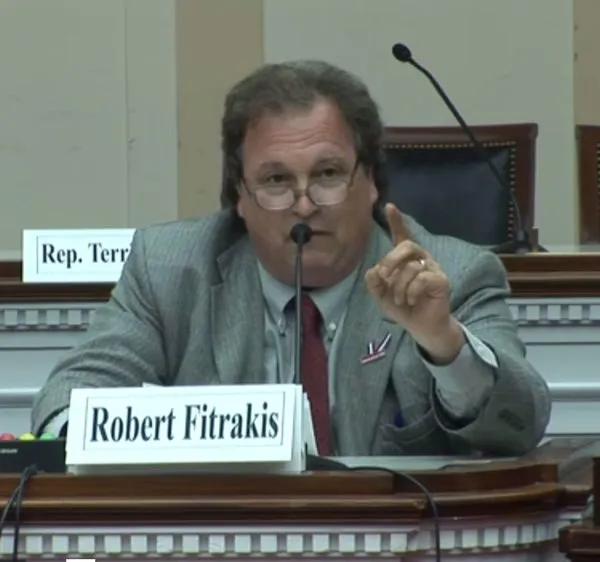
Bob and Dan dissect the tax reform bill and talk about how the Senate Intelligence Committee is investigating Green Party 2016 presidential candidate Jill Stein about her trip to Russia.
Listen to podcast here: http://www.wcrsfm.org/audio/user/157
Bob's January 15, 2017 with Rudy Gerdeman
http://www.wcrsfm.org/content/bob-fitrakis-and-rudy-gerdeman-other-side…

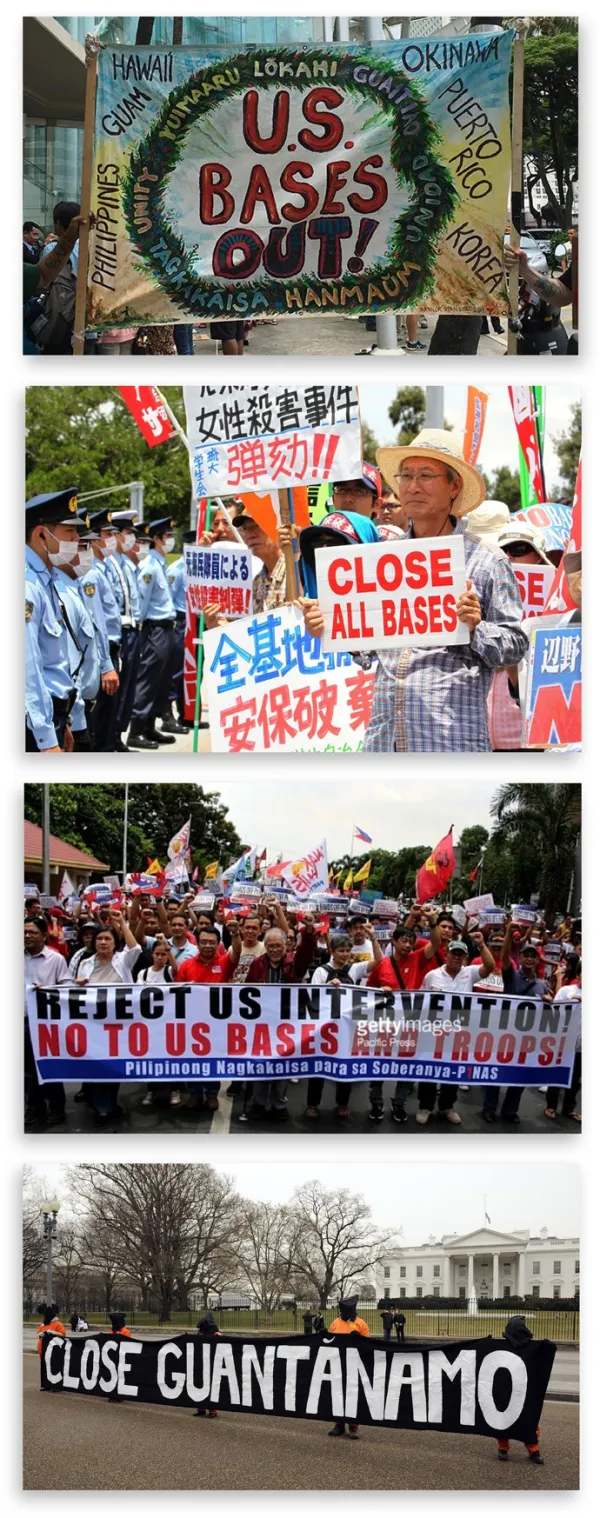
, 2018, at the University of Baltimore, Maryland. Endorsers include: Alliance for Global Justice, Black Alliance for Peace, CODEPINK, Global Network Against Weapons and Nuclear Power in Space, International Action Center, Liberty Tree Foundation, MLK Justice Coalition, Nuclear Age Peace Foundation, Popular Resistance, United National Antiwar Coalition, U.S. Peace Council, Veterans For Peace, Women’s International League for Peace and Freedom, World Beyond War and United for Peace and Justice. Location: University of Baltimore, Learning Commons Town Hall, Baltimore, Maryland. Organized by: Coalition Against U.S. Foreign Military Bases.
Conference on U.S. Foreign Military Bases
January 12 - 14, 2018
Learning Commons Town Hall, University of Baltimore
1415 Maryland Avenue, Baltimore, Maryland
Organized by: Coalition Against U.S. Foreign Military Bases
Oliver Stone’s 2012 thriller Savages opens with gorgeous coastline images accompanied by O or Ophelia’s (Blake Lively) voiceover saying: “It started here in paradise, Laguna Beach, where they say God parked himself on the seventh day…” In addition to its stunning scenery, languid Laguna has much to lure Angelenos away from the big city’s daily grind to this SoCal oceanic enclave located about 50 miles south on the 5 Freeway from Downtown L.A.
Of course, this Orange County seaside village is widely known for its art galleries - and it’s no wonder, given the splendor of its natural surroundings that would make any dauber’s palette burst with color. But there are also eateries there to make gourmet’s palates drool, so I decided to combine one of my regular excursions as a theater reviewer south to the Laguna Playhouse with a feast.
Drifting Down to Driftwood Kitchen: Caramel-By-the-Sea
Enough is enough. Especially when it comes to a name.
Many of you have undoubtedly faced a crisis or two about your own. It can come from anywhere, like changing (or NOT) your family name when getting married. Or dumping the curse of one you never liked.
Famous examples abound. The great Texas-born classical pianist Van Cliburn was in fact Harvey Lavan Cliburn. Lady Gaga is Stefani Joanne Angelina Germanotta. Kirk Douglas was Issur Danielovitch. Marilyn Monroe came from Norma Jean Mortenson. Tony Curtis had been Bernard Schwartz. John Wayne was Marion Mitchell Morrison.
You get the picture.
When I was born in Boston 72 years ago this New Year’s Eve, my mom made my father promise not to name me “Harvey.” Dad’s father, who’d just passed away, was Herschel. So the “H” was unavoidable. But there were certainly better choices. She never forgave him. Me either.
My middle name is Franklin, as my parents were big FDR fans. As an historian, I like it for Ben.
Wasserman means “Aquarius” or Water Man in German. I’m good with that.
But “Harvey”?

Is Santa real? What about God? Or Mr. Stranger Danger? A 5-year-old’s curiosity is a wonder to behold — more than a wonder if you haven’t had your coffee yet, or if you’re trying to get last-minute Christmas shopping done at Target and your son says he wants to die right now so he can meet God.
To be a parent is to feel the force of this curiosity like a live spring uncoiling with unpredictable energy against the day’s agenda and the furthest reaches of the known universe, pushing you into a possible future not yet imagined.
“When did people first realize there was a God?”
This is my great-nephew Jackson, doing curiosity handsprings across the academic discipline of theology and squeezing an open-mouthed pause from his mom, Carmen, my niece — with whom I had a lively chat over the holidays about such matters when she had a moment to relax. This was a conversation of puzzlement and gold, and I’ve been thinking ever since about childhood and the precious possible.