Global
We don't yet know if Robin Westman, the Minneapolis Annunciation Church mass shooting suspect, was on psych drugs. But we do know mass shooters in the U.S. tend to be young, obsessive, male loners and many have been prescribed psychoactive drugs.
For example, Eric Harris, one of the two shooters at Columbine High School in Columbine, Colorado in 1999 which ushered in the current spate of mass shootings, was on the psychotropic drug Luvox. Prescribing information for the antidepressant says, Close supervision of patients and in particular those at high risk should accompany drug therapy.
Jeff Weise who fatally shot his grandfather, his grandfather's girlfriend and seven people at the Red Lake Senior High School in 2005, was on the well-known antidepressant Prozac.
Should your employer be allowed to ban you from taking another job? Most Americans would say that’s ridiculous — but it’s more common than you think.
When I was head of the policy office at the Federal Trade Commission (FTC), I read thousands of public comments about how employers used “noncompete clauses” to trap workers into jobs. Many people shared deeply personal stories of being stuck in abusive workplaces, enduring punishing commutes, or working for years and years without a raise.
Noncompete clauses force workers to agree not to take a job with a competitor after they leave their position. They’re often framed as tools to prevent senior executives from taking trade secrets with them. But the evidence tells a different story.


In an important step toward the economic isolation of Israel due to its genocide in Gaza, Norway's Government Pension Fund Global has decided to divest from yet more Israeli companies.
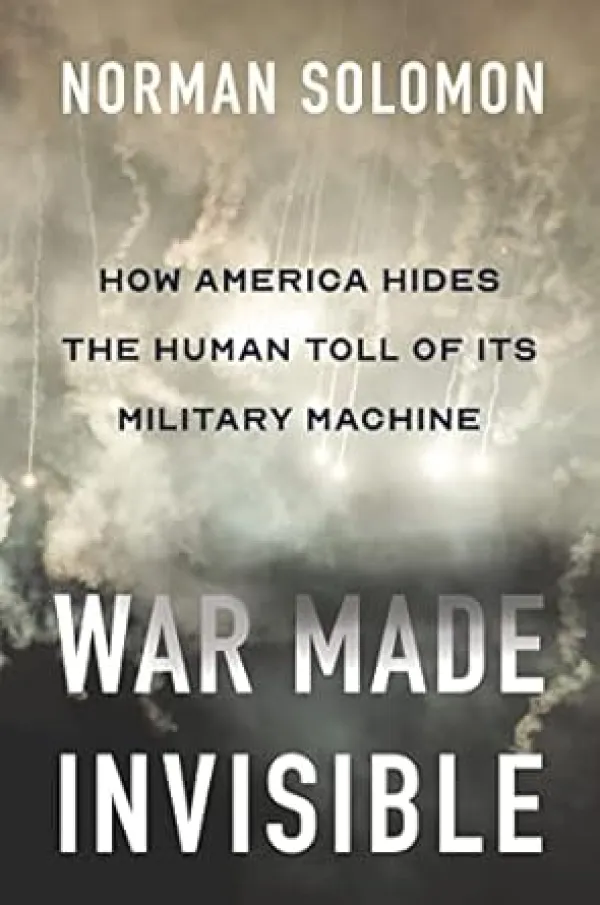
Killing from the sky has long offered the sort of detachment that warfare on the ground can’t match. Far from its victims, air power remains the height of modernity. And yet, as the monk Thomas Merton concluded in a poem, using the voice of a Nazi commandant, “Do not think yourself better because you burn up friends and enemies with long-range missiles without ever seeing what you have done.”
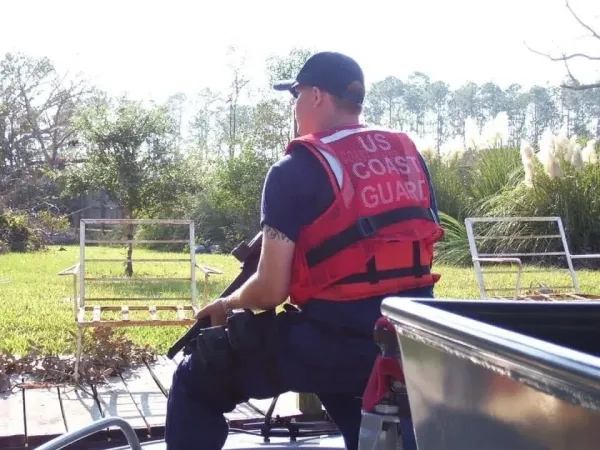
Imagine your town flattened overnight. No power. No water. Families trapped in rubble. For days, you wait for help that never seems to arrive.
The first thing that hit me in Gulfport, Mississippi, wasn’t the sight. It was the smell. Raw sewage from flooded treatment plants. Rotting seafood from capsized shrimp boats.
Diesel and gasoline spilled across the water. All mixed together in water so thick with debris it didn’t move like water anymore.
One of my shipmates handed me a jar of Vicks VapoRub. “Put it in your nose,” he said. “It’ll help.” It didn’t help enough.
A World Washed Away
What I saw looked like a scene out of an apocalyptic film. Whole neighborhoods gone. Homes ripped from their foundations and carried into the bayou.
Those that remained were filled with mud several feet high. I went building to building on search-and-rescue, marking walls with spray paint — an “X” and a number telling the world how many people, alive or dead, had been found inside.
It was devastating. It was lawlessness. And at times, it felt like we were the only ones left.