
Global

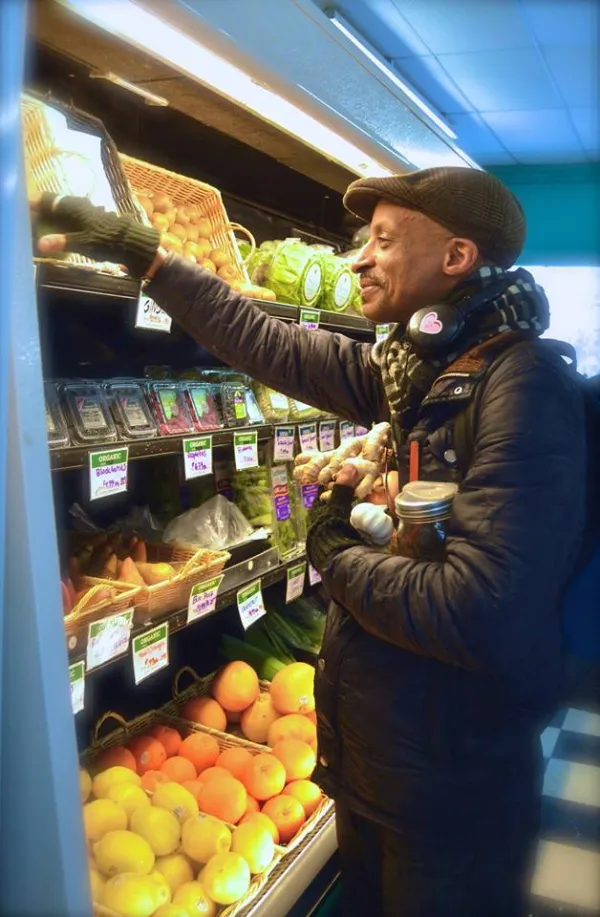
The Free Press is distressed to learn that the long-time stalwart resource for healthy foods, progressive literature, and ecologically sustainable products – the Calumet Natural Foods Cooperative a.k.a. the Clintonville Community Market – plans to close its doors no later than October 31 this year. Some of us at the Free Press remember its roots as it began as a germ of an idea at the King Avenue United Methodist Church.
The reason for its demise is summed up in a letter to the community that reads: “During the past decade, the retail organic/natural food landscape has changed drastically with more competitors, including the larger conventional chains placing much more emphasis on the organic/natural products arena.”
True, the community now has several Whole Foods stores, Trader Joes, and there are health food sections in Kroger and Giant Eagle (I still wonder at how the rest of the food in the store is categorized, if not for health). But, the suspect forcing the closure in the Clintonville area is more likely Lucky’s Market.
That little smoke-filled room where our despair and paranoia incline us to imagine a small number of evil people run the world clearly forgot to keep an eye on the Republican Party.
A popular movement has struggled to stop such looming disasters as the NAFTA-on-steroids Trans-Pacific Partnership (TPP), but the ouster of John Boehner as Speaker of the House puts stopping anything into play. While scholarly studies deem the U.S. government to be an oligarchy, based on whom it actually serves, petty partisan squabbling just might come riding to the rescue of democracy -- accidentally of course.
Boehner wasn't insufficiently right-wing for the other Republicans in the House of Representatives, he was just insufficiently obstinate and insufficiently anti-Obama. The new Speaker's mandate will be to oppose to the death anything Obama supports. Obama could publicly throw himself behind keeping Guantanamo open, and the place would be shut by Thursday.
On behalf of those of us who struggle to honor Gandhi's legacy to the world, I would like to wish Mohandas Karamchand (Mahatma) Gandhi 'happy birthday!' Gandhi was born on 2 October 1869 and had he defied both the assassin's bullet and the aging process, he would have been 146 years old this year.
In theory, the world celebrates 2 October as the International Day of Nonviolence but it is a day that few remember or commemorate meaningfully. Perhaps this is appropriate given the rather desultory progress we have made in making our world nonviolent. Still, while our scorecard might not be what Gandhi would have hoped nearly 68 years after his death, a number of people are making a committed effort to create this nonviolent world. This effort, by its nature, must be multifaceted. Much of it is mundane; some of it profound. Let me tell you about some of these efforts by people I find pretty inspiring.
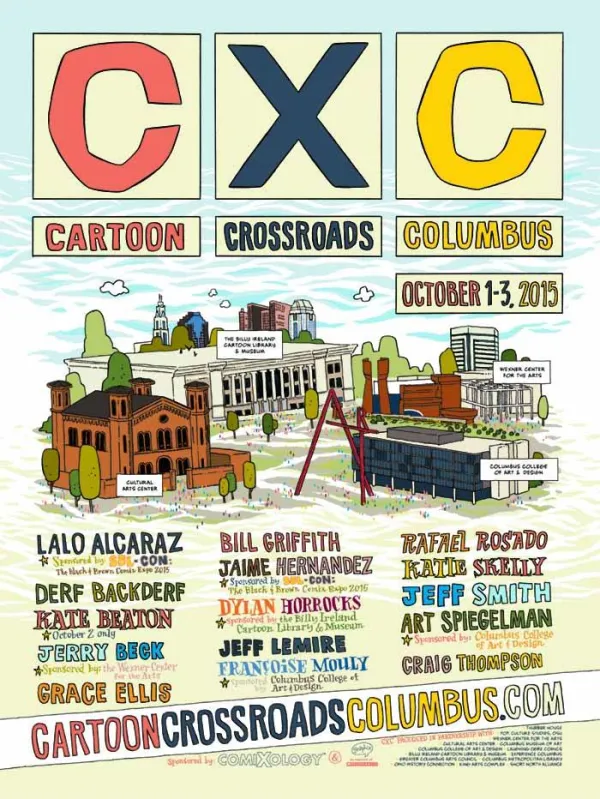
It’s no secret to anyone who lives here — especially those who have ever wandered into Kafé Kerouac or the Laughing Ogre and seen the shelves of local indie comics — that Columbus has a thriving community of cartoonists and comic artists. But Bone creator Jeff Smith and comics journalist Tom Spurgeon want to let the world know what a great little city we have here, and in doing so they want to make Columbus a destination for the cartoon and comic arts.
On October 1-3, they’re hosting the first Cartoon Crossroads Columbus (CXC), a multi-venue celebration that will encompass The Wexner Center For The Arts, the Billy Ireland Cartoon Library & Museum, OSU’s Hale Hall, the Cultural Arts Center and Columbus College Of Art And Design. Aside from two ticketed events — conversational panels featuring Jeff Lemire and Bill Griffith — all events, panels, and workshops are free and open to the public.

 During this year's competition for Miss Italy, contestants were asked what historical epoch they might like to have lived in and why. The first young woman to answer said 1942. She had heard so much about World War II, she said, that she'd like to actually live it -- plus, she added, women didn't have to be in the military anyway.

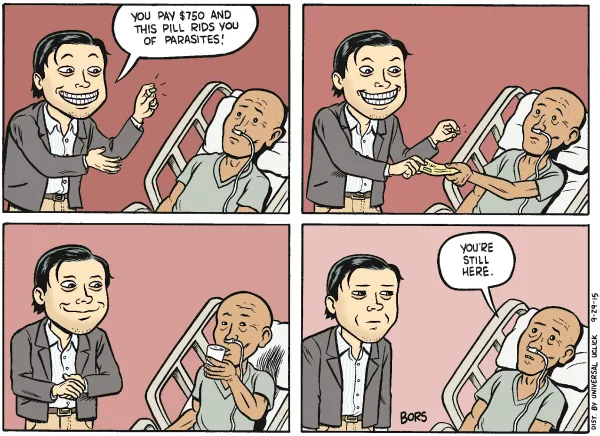
The United Nation’s 17 Sustainable Development Goals don’t just ignore the fact that development isn’t sustainable; they revel in it. One of the goals is spreading energy use. Another is economic growth. Another is preparation for climate chaos (not preventing it, but dealing with it). And how does the United Nations deal with problems? Generally through wars and sanctions.
This institution was set up 70 years ago to keep nations, rather than a global body, in charge, and to keep the victors of World War II in a permanent position of dominating the rest of the globe. The UN legalized “defensive” wars and any wars it “authorizes” for whatever reason. It now says drones have made war “the norm,” but addressing that problem is not among the 17 goals now being considered. Ending war is not among the goals. Disarmament isn’t mentioned. The Arms Trade Treaty put through last year still lacks the United States, China, and Russia, but that’s not among the 17 concerns of “sustainable development.”
I lack patience. I admit it.
There's my confession.
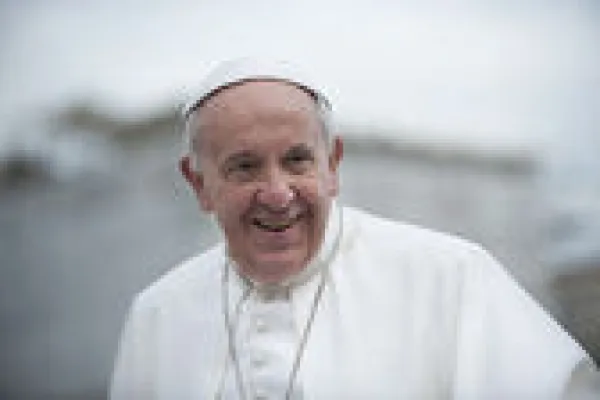
I couldn't sit through the Pope's slow and plodding and polite speech to Congress, waiting for him to say something against the primary thing that body does and spends our money on. But finally he got there:
"Being at the service of dialogue and peace," he said, "also means being truly determined to minimize and, in the long term, to end the many armed conflicts throughout our world. Here we have to ask ourselves: Why are deadly weapons being sold to those who plan to inflict untold suffering on individuals and society? Sadly, the answer, as we all know, is simply for money: money that is drenched in blood, often innocent blood. In the face of this shameful and culpable silence, it is our duty to confront the problem and to stop the arms trade."
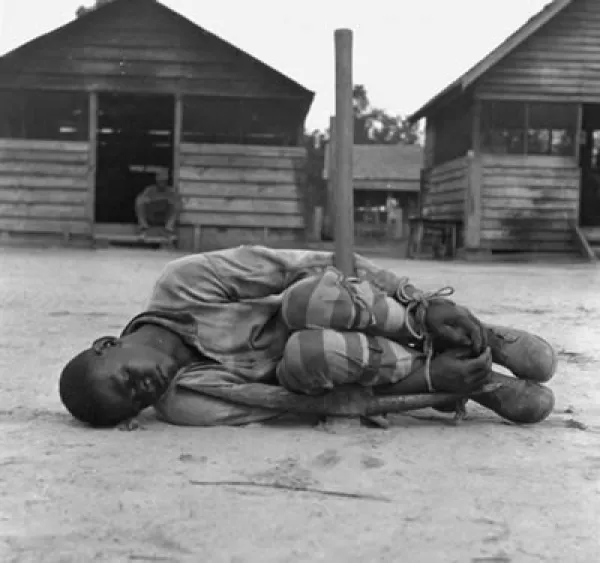
As documented in Douglas Blackmon's book, Slavery By Another Name: The Re-Enslavement of Black Americans from the Civil War to World War II, the institution of slavery in the U.S. South largely ended for as long as 20 years in some places upon completion of the U.S. civil war. And then it was back again, in a slightly different form, widespread, controlling, publicly known and accepted -- right up to World War II. In fact, in other forms, it remains today. But it does not remain today in the overpowering form that prevented a civil rights movement for nearly a century. It exists today in ways that we are free to oppose and resist, and we fail to do so only to our own shame.