
Local
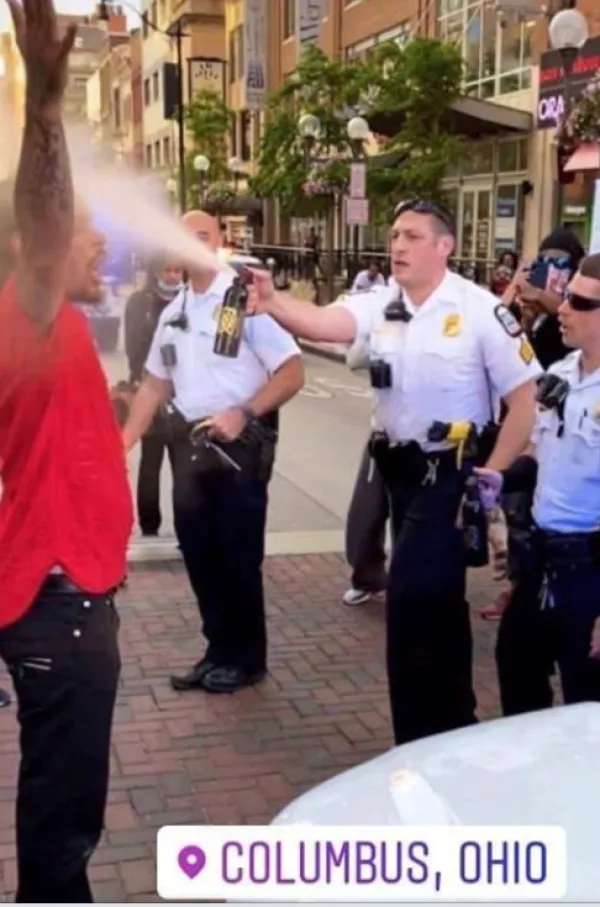
The Columbus Division of Police (CPD) was told last year by the Matrix Consulting Group that its directive allowing officers to use pepper spray against non-violent protesters should be “reviewed” because it allows “use of force without an aggressive act.”
“This directive and the subsequent use of force continuum, allow the use of a chemical agent on non-violent or ‘dead weight’ protestors. The use of force without an aggressive act is a low threshold for the use of chemical agents and contrary to practices in many large agencies (in Cincinnati, for example),” stated the Matrix Consulting Group in the early pages of its 300-plus page report, which was completed last summer.
The CPD directive in question states: “Sworn personnel may use their Division-issued chemical spray to disperse a non-violent congregation of violators who are not moving. Prior to deployment of the chemical spray, at least two notifications should be made to the participants in the crowd advising them that they are committing a violation of law and are to disperse, and that chemical spray will be used if they fail to comply with the order.”
President Michael V. Drake, Senior Vice President Jay Kasey, Vice President Dr. Melissa Shivers, Chief Kimberley Spears-McNatt, and Director of Public Safety Monica Moll,
June 1, 2020
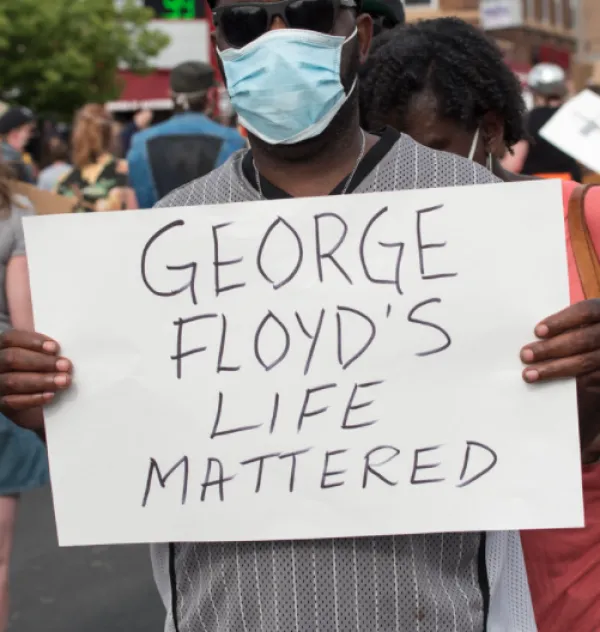
Today, we write to you with extreme pain, disappointment, and anger. On May 25, 2020, an unarmed Black man by the name of George Floyd was violently killed under police custody in Minneapolis, Minnesota. His death, along with those of Ahmaud Arbery, Breonna Taylor, and Tony McDade to name only a few, sparked nationwide protests in solidarity with the calls for justice on behalf of Black deaths in the hands of law enforcement. We, first and foremost, extend our solidarity to the people of Minneapolis and the communities mourning and fighting for justice across the nation. As student leaders, we also extend this solidarity to the students of the University of Minnesota and to their student body president, Jael Kerandi, for her leadership1 in her community during this time.
Monday, June 1, 4-6pm
North Broadway and High Streets
Hosted by First Unitarian Universalist of Columbus
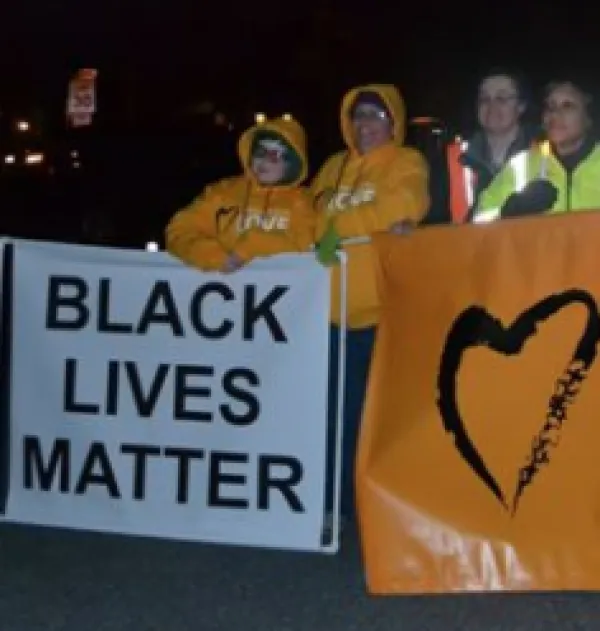
Join the First Unitarian Universalist Church of Columbus in peaceful witness as we Rally on the Side of LOVE! All are welcome! Another black man, George Floyd, has been killed by police, this time in Minneapolis, in an intentional and needless act of violence. We CANNOT, and we WILL NOT be silent!
We ask that you stay on sidewalks, social distance a minimum of 6 feet apart, and wear your masks. Bring your signs and banners: Black Lives Matter, Standing on the Side of Love, etc. Wear your bright yellow LOVE shirts, if you have them.
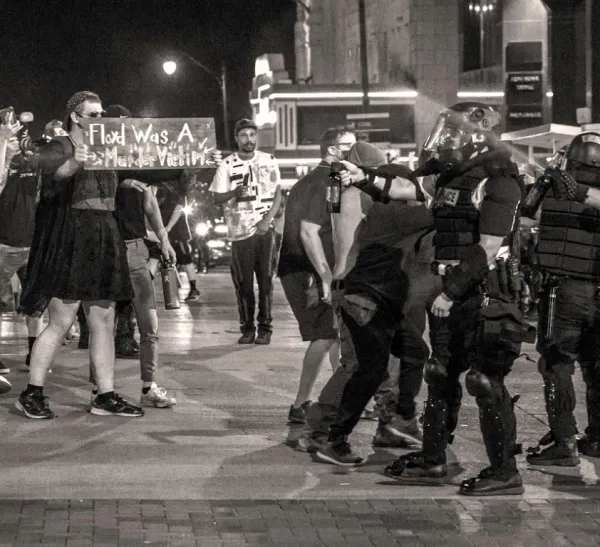
Columbus Police Chief Thomas Quinlan, in a news report today, May 31, 2020, was quoted as proclaiming: “Saturday night sent a strong and clear message and [that he] hopes it prevents more destruction.”
Quinlan referred to the draconian and unnecessary curfew imposed on Columbus Saturday, May 30 by Mayor Ginther, and the Ohio National Guard and Ohio state trooper deployment to try to stop the city’s anti-police brutality demonstrations.
Such a tone deaf statement, sadly typical of our Columbus Police Department (CPD) for so many decades.
No Tom, your message tells us this:
· No one in city or state government or the CPD has heard a word the demonstrators are saying
· City and state priorities are that broken windows are more important than lives lost to police brutality
· City and state priorities are that demonstrations must be tamped down, and the safety and health of protestors is irrelevant (hence macing in the face)
· The status quo of racism and police brutality in the city and CPD is in place and nothing will change
· You think you’re being a tough macho guy but really it seems cowardly.

Just when we were ready to move on to the next step in “Tips and Tools,” we have a public health pandemic with politicians and pundits predicting the whole world of work and popular activity will change. Social distancing will mean the end of meetings. Work will be remote or at home, rather than office based. Fewer will travel and the whole world will zoom into the future as masked marauders six feet apart. No one can doorknock. People won’t open their doors.
Trust me on this: not in our neighborhoods.
Drive into almost any low-moderate-income community, and I challenge you to count the masks and make a note where you happen to see social distancing. It’s just not happening in the same way. There is a real racial, age, and class divide here that is starkly visible.
Bus service for example in many cities require masks now to ride public transit. In fact, talking to the head of a regional transit authority yesterday, he said maybe half of the riders in his majority African-American city was wearing masks. Talking to the bus drivers’ union leadership, they were clear that their drivers were in no position to enforce the decree. They are drivers, not police.
This summer, WCRS FM will celebrate ten years of broadcasting from the Free Press Carriage House in Olde Towne East. While the physical WCRS Studios have been closed for the last two months, there is reason to celebrate how far WCRS has come from its humble beginnings.
WCRS FM began broadcasting in 2007 at 102.1 FM, a low-power frequency which was accessible in the East and Northeast Parts of the Columbus Metropolitan area, and translated on 98.3 FM, a translator frequency reaching the Central parts of Columbus.
When describing what the programming that WCRS has to offer, then-Simply Living Director Marilyn Welker said in a 2008 Short North Gazette article on the purpose of WCRS, “There is such a lack of voices of different perspectives relative to community service and ethnic issues and cultural celebration. It’s not on the Columbus radio stations.”
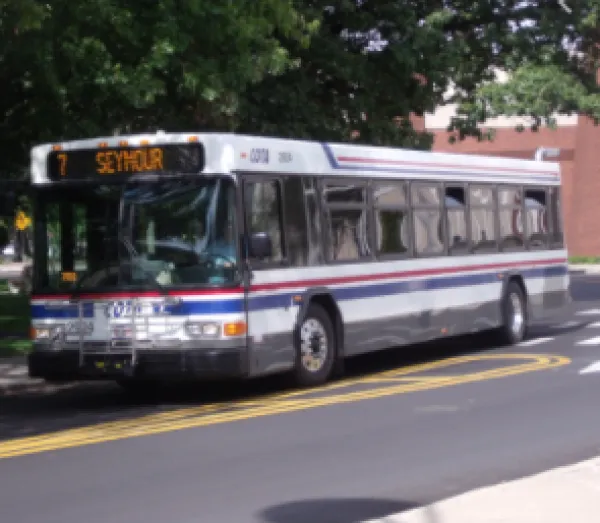
The COVID-19 pandemic has laid out a lot of things about our society that are the ugly truth. One of them is that Columbus is still a city reliant on cars to get anywhere. The reduction of Central Ohio Transit Authority (COTA) service is living proof of that, as COTA has drastically cut back on service to focus on essential travel during Ohio’s Stay at Home Order.
On March 19, COTA’s Board of Trustees voted to make service free for the foreseeable future, and all passengers (with the exception of passengers in wheelchairs) to enter and exit through the rear door, which makes sense because it separates the passengers from the driver. Rush Hour Lines and other select routes were eventually phased out by early April. Buses were capped off at 20 passengers per bus, roughly half its normal capacity. Once a bus is at capacity, passengers standing at a bus stop are forced to wait for the next bus, which could be as long as two hours, depending on the route.
One of the most important political metrics is the approval-disapproval ratings of public officials.
The greater the approval percentage the more likely an officeholder will get re-elected.
The greater the approval percentage of a non-officeholder the more likely that person will get elected to public office.
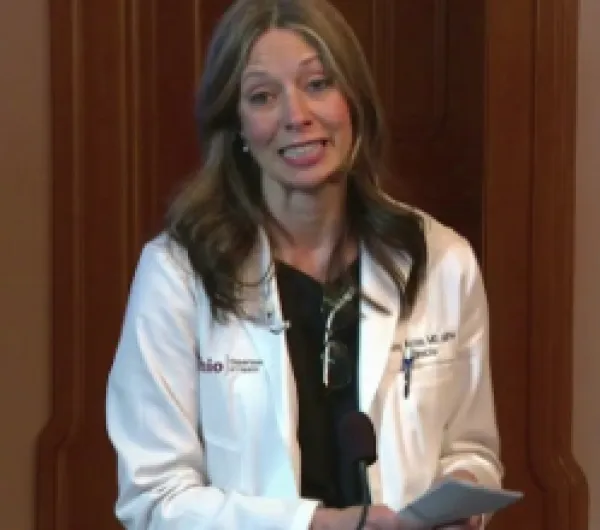
Ohio's Republican Gov. Mike DeWine has earned skyrocketing approval ratings for his swift and decisive actions to protect the public during the pandemic caused by the spread of the coronavirus. Call him Mr. Popularity.
Public opinion surveys have put DeWine's approval rating in the 80-89 percent range, the highest in the country among governors and double the approval rating of Republican President Donald Trump. Interestingly, every governor in the country has an approval rating in their state higher than the President's.
DeWine looks like a lock for re-election in 2022 if he seeks a second term. If he chooses to "go political" in the fall and campaign for other Republicans in Ohio, even Trump, he will be a powerful influential force because of his popularity.

The following are statements about the death of another African American at the hands of those sworn to protect us and the local and nationwide protests still ongoing.
My message to protesters is simple, will their turn up be a turn out in November?
Adrienne Hood’stragic story is well known and far too common. The mother’s 23-year-old son Henry Green was murdered by Columbus Police in June of 2016.
“The last few days have been emotional roller coaster. I am angry at what I saw, I ask the Lord, “Just how much more are we supposed to take!”